
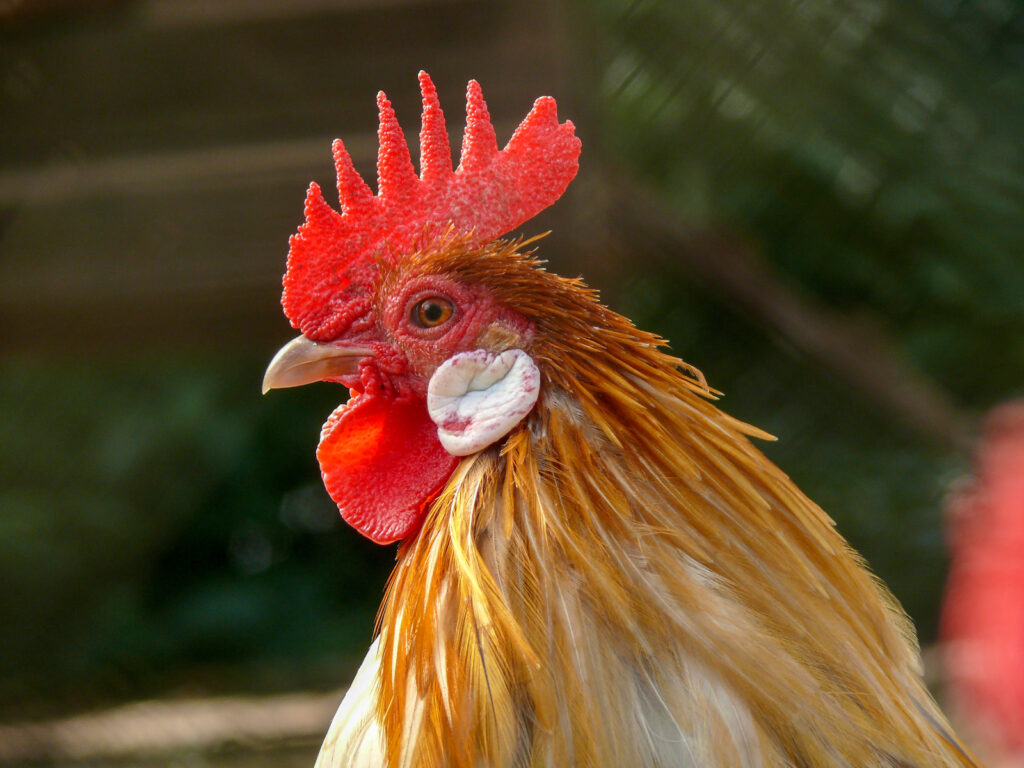
Discover what combs and wattles of chickens, snoods and caruncles of turkeys, and facial caruncles of Muscovy ducks can reveal about poultry health.
The combs and wattles of chickens, snoods and caruncles of turkeys, and facial caruncles of Muscovy ducks can offer a wealth of information about the health of individual birds or entire flocks. Changes in the appearance of these highly vascularized, capillary-filled tissues can reveal underlying health conditions. While not every change or deviation is significant or cause for worry, poultry owners can be proactive with health issues if they know a few things to watch for. All of these external appendages and structures are considered organs. More than just decorative, they help regulate body temperature by allowing the blood to cool as it passes through them.
Normal comb and wattle color in healthy adult chickens should be a bright, rosy red. It’s normal for this red to slowly fade to pink as a hen progresses through her annual laying cycle. The exception to this rule is found in fibromelanistic breeds, which have dark melanin pigment in their tissues. These breeds include Silkies, Ayam Cemanis, Kadaknaths, and Svart Honas. Normal comb and wattle color in these fowl will range from a blueish lavender to purple or black.
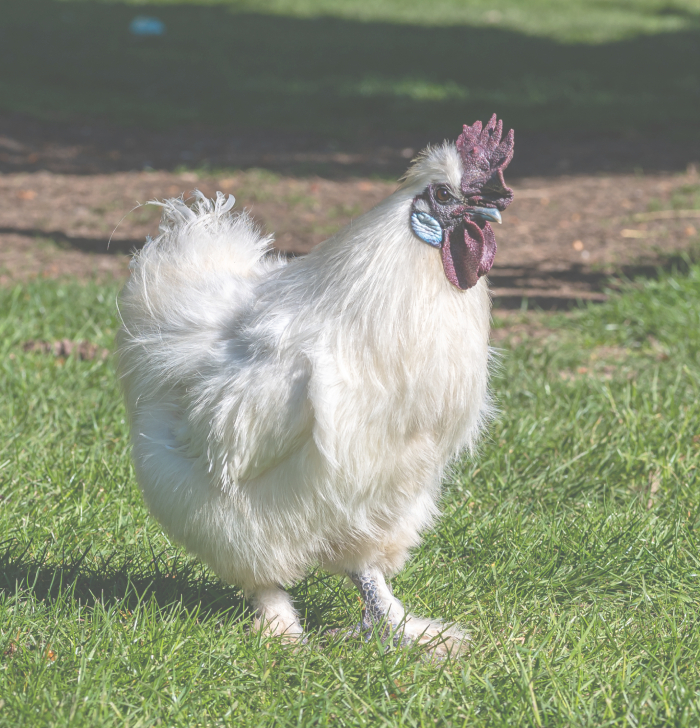
Birds going through molt will have pink combs and wattles instead of red. However, birds with combs that fade to an extremely light pink or darken into a mulberry red or purple hue (fibro melanistic breeds being the exception) have health problems. Healthy combs should feel warm with a firm, somewhat rubbery texture. Shriveled, dry, or flaky combs indicate health problems or a bird in non-laying condition.
Comb and Wattle Abnormalities in Chickens
Pale Pink Combs and Wattles
Combs and wattles that are extremely pale pink (or a bleached-white in severe cases) indicate that the bird is suffering from anemia. Anemia in poultry can be caused by loss of blood from internal or external parasites. These can include gastrointestinal worms, gapeworms, mites, poultry lice, or fleas. Other causes of anemia in poultry can be from disease, infection, or iron deficiency. There’s also a form of anemia caused by the chicken anemia virus (CAV), a strain of anellovirus. This form often affects younger birds.
If one or more birds in a flock show signs of anemia, start with the basics. Examine the entire flock for external parasites such as lice or mites. Also, check the entire flock for signs of internal parasites. If you find parasites or signs of them, follow up with approved treatments. If the treatment doesn’t bring satisfactory change within a couple of weeks, look for other causes.
If initial attempts to remedy anemic conditions aren’t effective, it may be worth the money to seek a diagnosis from a veterinarian knowledgeable in poultry care. While expensive at first, a correct diagnosis and treatment may save a poultry keeper money in the long run by identifying and eradicating the causes of the anemia early on. If your local Cooperative Extension Service has an advisor who’s an expert in poultry maladies, he or she may also be able to identify the underlying causes of anemia within a flock.
Dark Red, Purple, or Blue Combs
In chickens that normally have bright red combs, combs turning dark mulberry red, blue, or purple are cause for concern. These cyanotic discolorations indicate inadequate circulation or insufficient oxygen supply, often a result of cardiac or pulmonary trouble. Commercial broilers, as well as large, dual-purpose breeds raised on high protein feed to maximize weight gain and muscle development, often face these problems. Heart attacks in such fowl aren’t uncommon. In short, normal heart and lung function may be unable to keep up with the rapid, exponential increase in weight and muscle mass.
Cyanotic comb discoloration can also be a symptom of other diseases, including infectious Newcastle disease, avian influenza, or a staph infection. If only one bird has comb or wattle discoloration and shows signs of not feeling well, isolate it from the rest of the flock for at least two weeks as a precaution. Suppose no other symptoms, such as diarrhea, severe respiratory distress, nasal drainage, or facial swelling, occur, and other flock members don’t show any symptoms. In that case, assuming it’s an isolated problem with just the one bird is likely safe. If it’s a flock issue, then steps can be taken to identify the cause and treat the entire flock.
Scabs, Injuries, and Lesions
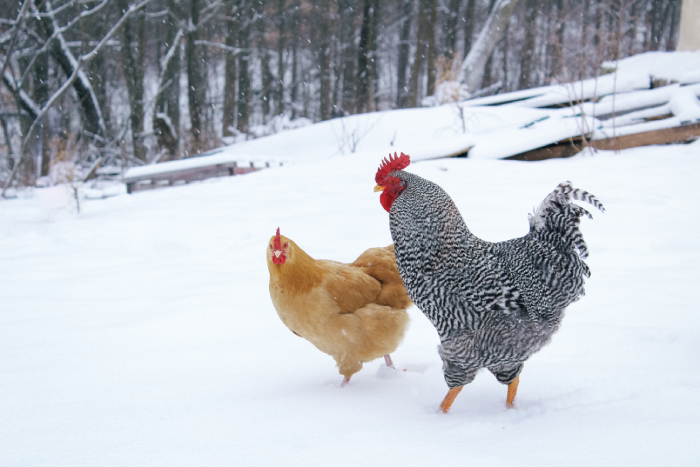
Minor scabs sometimes appear on combs and wattles from small, non-descript injuries, including being pecked by another member of the flock. Unless these injuries become severe, they aren’t usually something to worry about. In extremely cold weather, comb and wattle tissue can partially freeze, resulting in frostbite. Usually exhibiting as white tissue on the tips and edges where the freezing occurred, the affected area will change to black, dry up and eventually fall off. Poultry are amazingly resilient and usually recover quite well within a few weeks from these injuries.
Birds in extremely hot climates can sometimes develop sunburn, with similar-looking tissue damage.
Blanched, nodular spots on combs (or other areas of the body) that change to yellow and then form thick, dark, brownish-colored scabs indicate a fowl pox infection. Caused by an Avipoxvirus, prognosis for recovery and mortality within a flock can vary greatly, depending on the actual viral strain infecting the flock. Fowl pox commonly infects chickens and turkeys, but it can also infect waterfowl and other bird species.
Caruncles, Snoods, and Facial Tissue in Turkeys and Muscovy Ducks
Caruncles, those warty-looking bumps covering the heads and necks of turkeys and the faces of Muscovy ducks, are similar in structure to combs and wattles. Made of heavily vascularized tissue, they develop at the onset of puberty. The snood is the fleshy, dangling protuberance that hangs over one side of the beak of turkeys. Made of erectile vascular tissue, a male’s snood can lengthen several centimeters during the excitement of courtship. Caruncles in both turkeys and Muscovy ducks are often brighter red and more pronounced in males. They’re thought to be a sexual attractant to females. These structures also work as cooling mechanisms, just like combs and wattles in chickens. Caruncles in an adult male turkey may also develop shades of iridescent blue from hormonal changes during courtship and mating. The bare skin on heads and necks of turkeys can range from reds and blues to grey.
Turkey Snoods
Heads and snoods can get injured in fighting, especially among males. Scabs or even slight swelling of an injured snood is not uncommon. However, just as with combs and wattles, sores or swelling may indicate illness or infection. Turkeys are prone to erysipelas infections. Caused by Erysipelothrix bacteria which is commonly found in soil, it can affect all poultry. However, turkeys seem to be particularly susceptible. Severely swollen snoods are one of several signs of the disease. Mortality losses can be high, so any signs of damage or swelling of snoods or facial tissues is reason to inspect the affected bird more closely. Fowl pox scabs will appear on the head and facial caruncle tissue of turkeys. Histomoniasis, or blackhead disease, which has been extremely problematic to turkey farmers throughout the years, gets its more common name from the tendency for caruncle tissues to turn black in severe cases.
Muscovy Ducks Caruncle Tissue
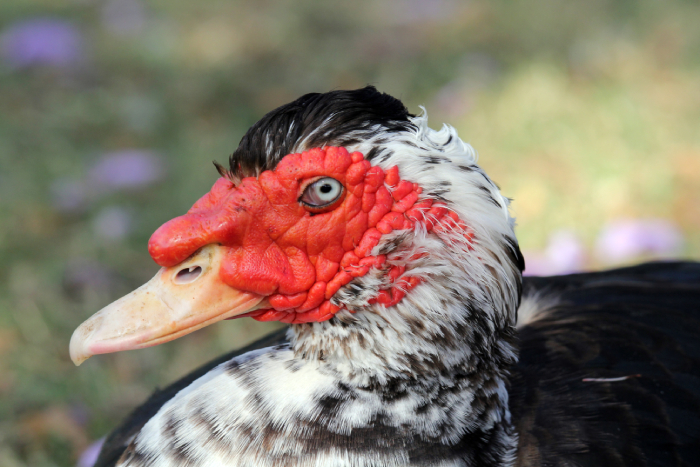
Muscovy ducks are prone to developing anemia, so paleness or fading of facial caruncle tissue is always cause for concern in these fowl. They’re usually very healthy and resilient, but like most other poultry they can be susceptible to common maladies such as fowl pox, which will also exhibit as it does in other species of poultry.
A full diagnosis of a disease or health condition can rarely be made by examination of facial vascular conditions alone. However, by being aware of problems that certain changes in these structures may signal, a poultry keeper can be proactive and stay ahead of problems before they become catastrophic.
Doug Ottinger lives, works, and writes from his small hobby farm in northwest Minnesota. His educational background is in agriculture with an emphasis in poultry and avian science.
Originally published in the December 2024/January 2025 issue of Backyard Poultry and regularly vetted for accuracy.
…
backyardpoultry.iamcountryside.com
Feed Name : Backyard Poultry
Feed & Health,caruncles,red-wattle,single Comb,snood
hashtags : #Reading #Poultry #Facial #Tissue #Appendages










Leave A Comment