
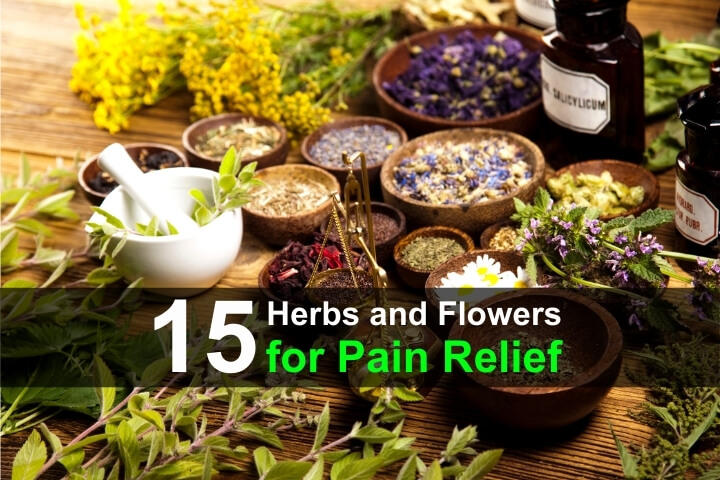


Estimated reading time: 15 minutes

Nature has provided everything we need to survive, including medicinal plants that relieve migraines, clear up rashes, ease aches and pains, reduce swelling and bruising, and treat various illnesses.
At one time, natural remedies were used in homes every day. Carefully cultivated herb gardens supplied medicine for the family and were often shared with the local physician.
The rise of the pharmaceutical industry in the early 1900s made it easier to turn to manufactured substances than rely on medicines that are cultivated or foraged. Physicians were paid to prescribe these pharmaceutical products rather than suggest local plants that would supply the same relief at little to no cost and with fewer side effects.
With so many people struggling to pay their bills nowadays, it is no surprise that we are returning to the wisdom of generations past and looking to the fields and forests surrounding our homes for natural remedies. Below are a few common and not-so-common plants, flowers, and herbs used in natural medicine.
Want to save this post for later? Click Here to Pin It On Pinterest!
Aloe Vera
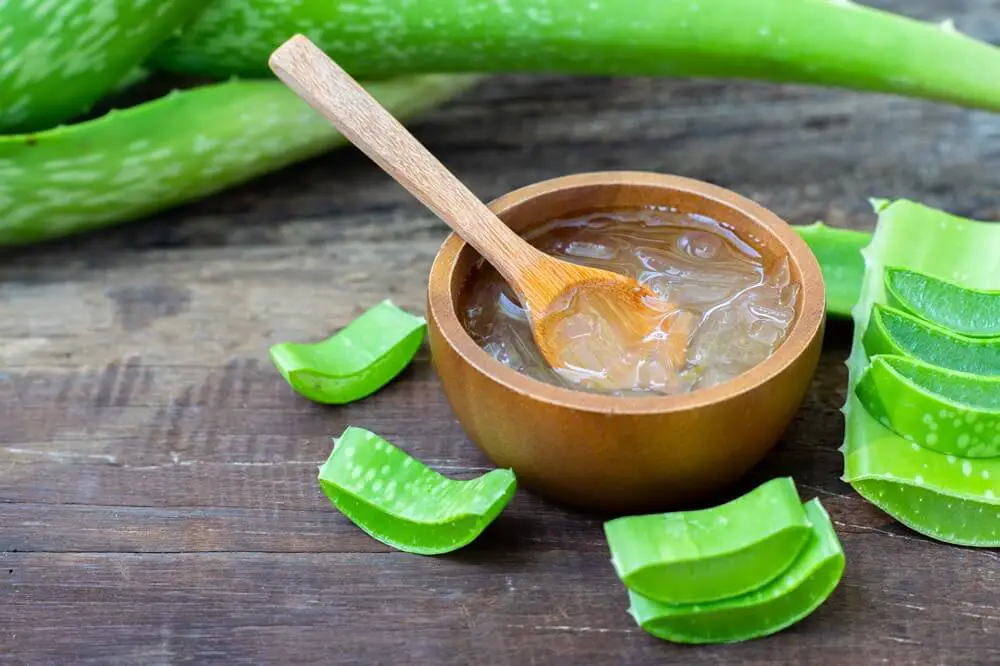
There’s some debate over whether aloe vera should be considered an herb, but I say it is an herb if you’re using it for pain relief. The gel inside aloe vera plants is remarkably good at relieving pain from cuts, scrapes, and burns (especially sunburns).
In addition to soothing pain, the gel will also help your skin heal faster. Several studies have backed this up. For example, in a 2009 study, scientists tested aloe cream against traditional burn cream and found that people who used aloe had their wounds finish healing several days sooner.
If you’re growing an aloe vera plant, extracting the gel is easy. Break off a leaf, cut off both ends and the spiny edges, then hold the leaf up and use a knife to cut between the skin and the gel. Repeat with the other side.
How to use for pain relief (step-by-step):
- Wash the leaf. Cut off a 2 – 4″ piece.
- Slice away spines and peel back the skin.
- Scoop out clear gel.
- Apply a thick layer to sunburn, minor burns, scrapes, or irritated skin.
- Let dry 10 – 15 min. Reapply 2 – 4 times a day as needed.
Chamomile
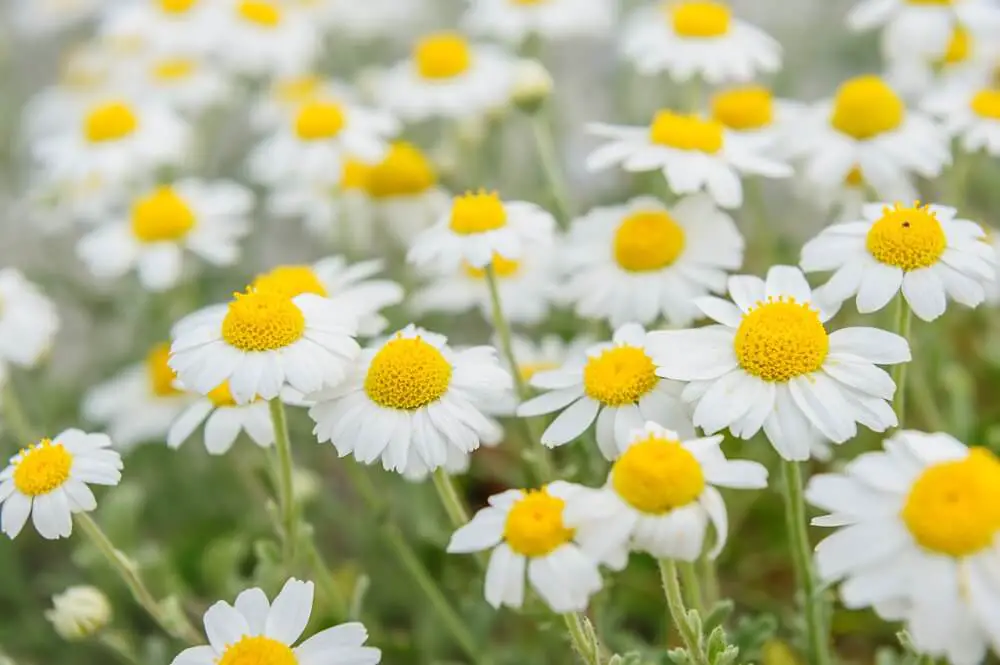
The daisy-like flowers of the chamomile plant are best known for creating sleep-inducing teas, but they are useful for several different ailments. Chamomile is a perennial that can be started successfully from seed.
Teas that include chamomile do help fight insomnia but also act as a muscle relaxant, relieving intestinal distress and nausea. A chamomile tea can also be used to bathe wounds, burns and rashes, providing relief from pain and encouraging healing by acting as an antibacterial agent. Using chamomile in bath water will relieve skin irritations caused by eczema and give relief to those suffering with sunburn.
How to use for pain relief (step-by-step):
- Pour 1 cup boiling water over 1 – 2 tsp dried flowers (or 1 tea bag).
- Cover and steep 10 – 15 min; strain.
- For muscle aches: drink warm.
- For skin pain or irritation, soak a clean cloth in cooled tea and apply 10 – 20 minutes.
- Repeat 2 – 3 times a day.
Clove Tree Flower
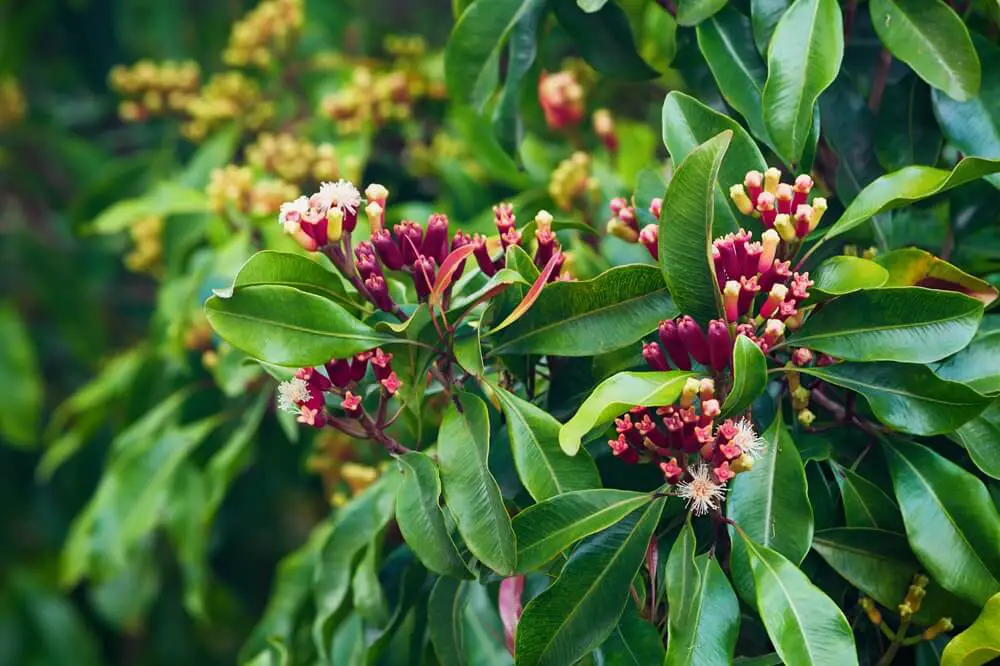
Cloves, the flower buds of the clove tree, have analgesic properties which them a great numbing agent for tooth pain. If you have some clove oil, all you have to do is dip a cotton swab into the oil, then apply it to your toothache, and you will feel instant relief.
Cloves are also antibacterial, which is very useful for someone with dental problems. Some people say they can also reduce fevers and repel mosquitoes, although studies on these effects have produced mixed results.
How to use for pain relief (step-by-step):
- Wash hands, rinse mouth with warm salt water (optional).
- Dilute clove essential oil (1 drop) in 1 tsp carrier oil (olive/coconut).
- Dip a cotton swab in the mix.
- Dab on the sore tooth/gum (not the whole mouth).
- Reapply every 2 – 3 hours as needed. (Stop if you feel any burning or irritation.)
Comfrey
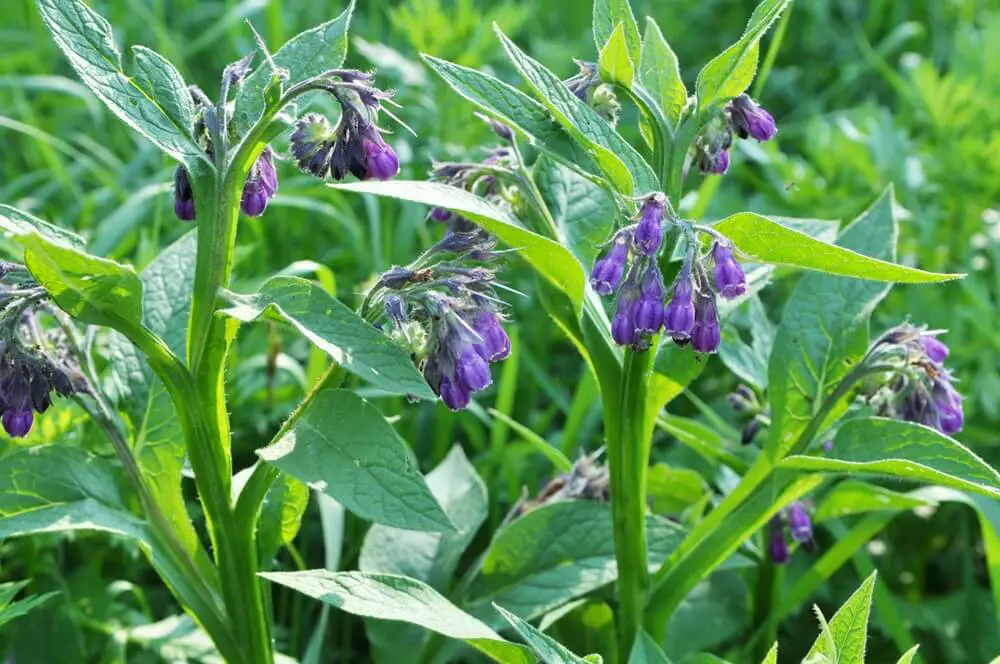
A noninvasive perennial, the comfrey plant produces large hairy leaves that are best harvested before the plant flowers. Comfrey can be grown from cuttings or ordered from a nursery as bare roots. Leaves can be used fresh or dried.
Comfrey leaves contain compounds that stimulate cell formation, making it a valuable plant for healing wounds. Poultices, made of steeped leaves, can be used for reducing swelling and inflammation. It can also be made into a tea, allowing the affected part to soak when applying a poultice would be difficult. Skin abrasions and rashes can be treated with comfrey, unless the skin has been broken open.
A special note of warning: Comfrey plants do contain toxins that can be fatal to humans and livestock if taken internally. Never use comfrey poultices on open wounds or broken skin to reduce the risk of accidental poisoning.
How to use for pain relief (step-by-step):
- Use only on unbroken skin (no open wounds).
- Rinse leaves. Chop or crush to release juices.
- Optional: pour hot water over leaves 5 – 10 minutes, then cool.
- Place leaves on the sore area and cover with cloth/wrap.
- Leave 20 – 60 min; repeat 1- 2 times a day for a few days. (External use only.)
Feverfew
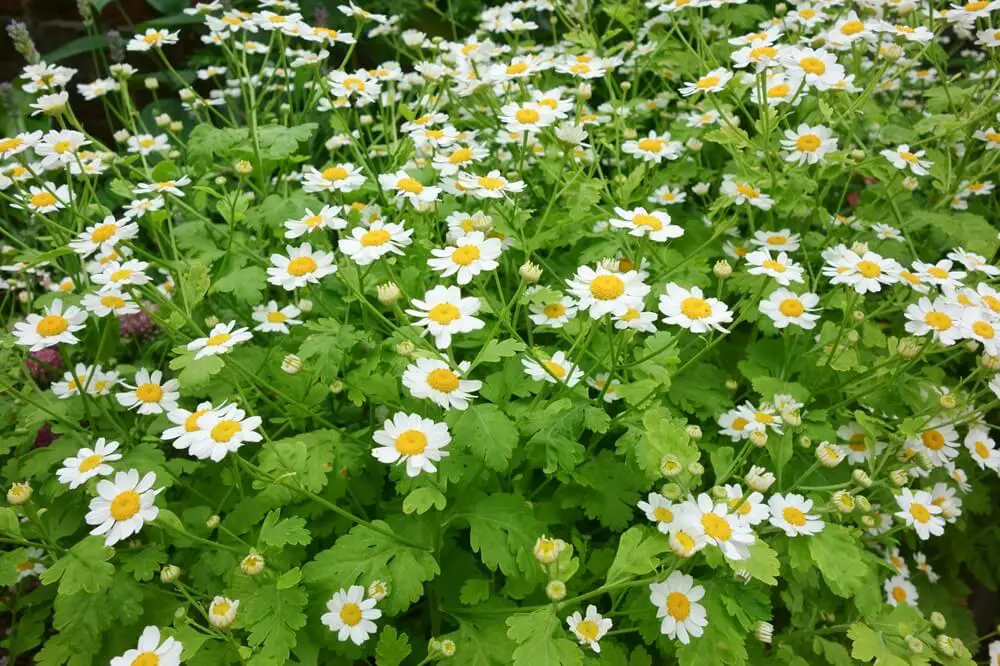
Feverfew is a perennial herb with daisy-like flowers, known primarily for its ability to prevent and treat migraines. It can be easily grown in your garden. Chewing feverfew leaves can alleviate headache pain, though its bitter taste might require it to be taken in capsule or tea form. This herb can also relieve arthritis pain and reduce inflammation.
How to use for pain relief (step-by-step):
- For migraines, the most common use is daily capsule or tea (prevention works better than “one-time” use).
- Tea: steep 1 tsp dried feverfew in 1 cup hot water 10 min; strain.
- Drink once daily during migraine-prone periods.
- If chewing a leaf, start with a small piece (very bitter).
- Stop if mouth irritation occurs.
Ginger
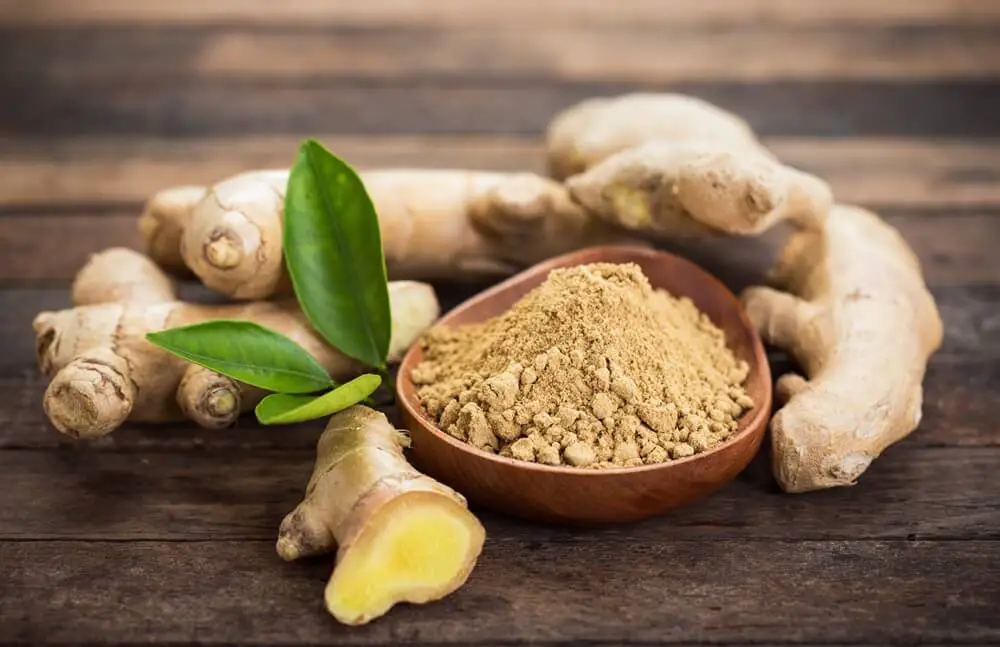
Ginger, a root commonly found in kitchens, is also a powerful medicinal herb. You can grow ginger in a pot or garden bed from a piece of fresh ginger root. Its anti-inflammatory properties make it excellent for reducing joint and muscle pain.
Ginger tea can alleviate stomach aches and nausea, and applying a paste of ginger on the forehead can help relieve headaches (here’s how to make it). Moreover, ginger is known for its warming properties, which can be soothing for cold-induced aches.
How to use for pain relief (step-by-step):
- Slice or grate 1 – 2 tsp fresh ginger (or ½ tsp dried).
- Simmer in 1 – 2 cups water for 10 – 15 minutes, then strain.
- Drink warm 1 – 3 times a day for joint/muscle aches.
- For headache, mix ginger powder with a little water to make a paste.
- Apply to forehead 5 – 10 min, then rinse.
Lavender
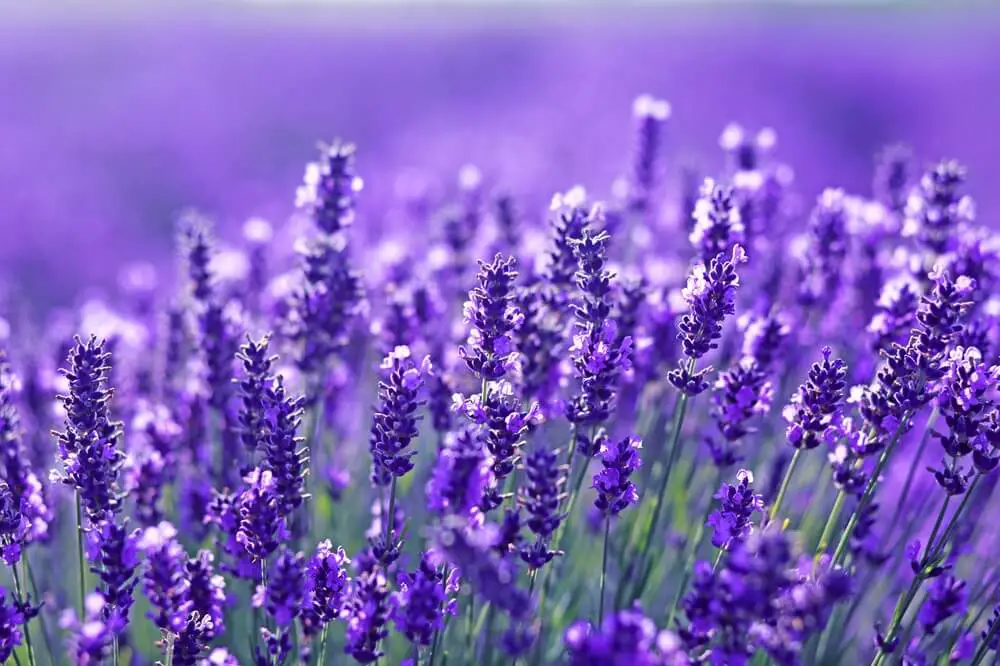
More than a gentle fragrance or soft color, lavender is a hardy perennial that has powerful medicinal properties. Lavender can be grown from cuttings or purchased in a small container.
Lavender flowers can be dried to make calming teas that ease anxiety or treat insomnia, and they can be added to bath water to increase circulation, lower high blood pressure, and reduce inflammation. Lavender tea or lavender oil can be used to treat burns and abrasions. It can also be used as a facial rinse for controlling acne as it has antiseptic properties.
How to use for pain relief (step-by-step):
- For topical use, be sure to dilute essential oil. Use 2 – 3 drops lavender oil per 1 tsp carrier oil.
- Massage into sore muscles/temples (avoid eyes).
- For bath aches: add ½ – 1 cup Epsom salt + 5 – 10 drops of lavender oil (pre-mixed into the salt).
- Soak 15 – 20 minutes. (Do not ingest essential oil.)
Mint
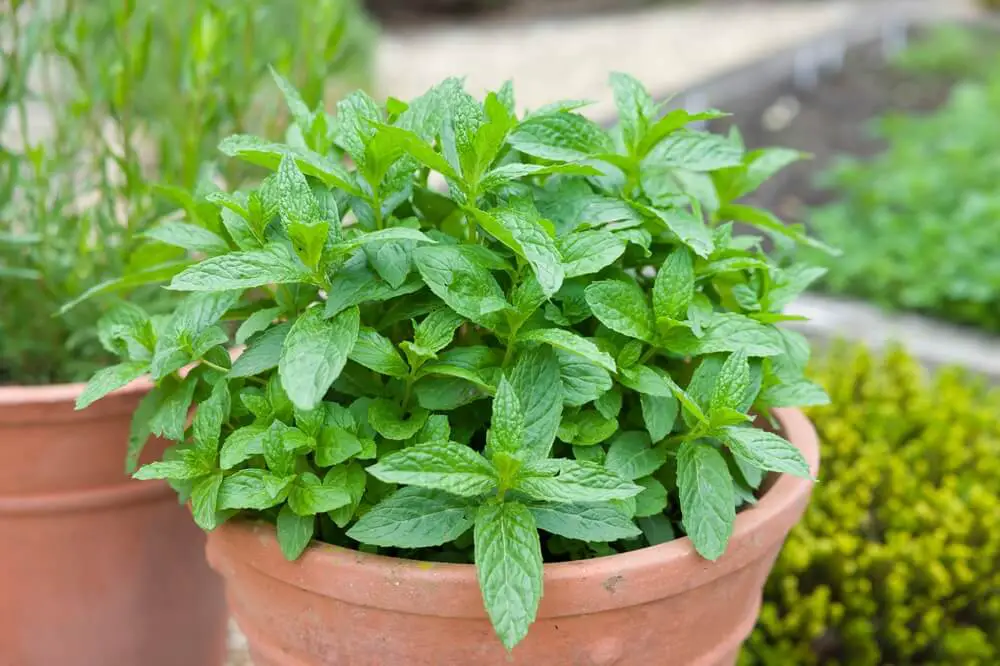
There are several varieties of mint and many of them can be used for medicinal purposes. Mint can be cultivated in a garden or in a container, but be aware, it is incredibly invasive. Plant mint from seed or ask around for a start. The leaves can be used fresh, dried, or distilled in oil or alcohol.
Mint is traditionally used to soothe digestive issues including general stomach upsets and indigestion, but it can also be used to treat more serious conditions such as irritable bowel syndrome. Peppermint infused oil can help relieve headaches and ease muscle cramps when used as part of a cooling compress.
How to use for pain relief (step-by-step):
- Make a strong mint tea: steep 1 – 2 Tbsp fresh leaves (or 1 Tbsp dried) in 1 cup hot water 10 – 15 min.
- Cool the tea.
- Soak a cloth in the tea and wring out.
- Apply as a cooling compress to forehead or cramped muscles 10 – 20 minutes.
- Repeat as needed.
Plantain
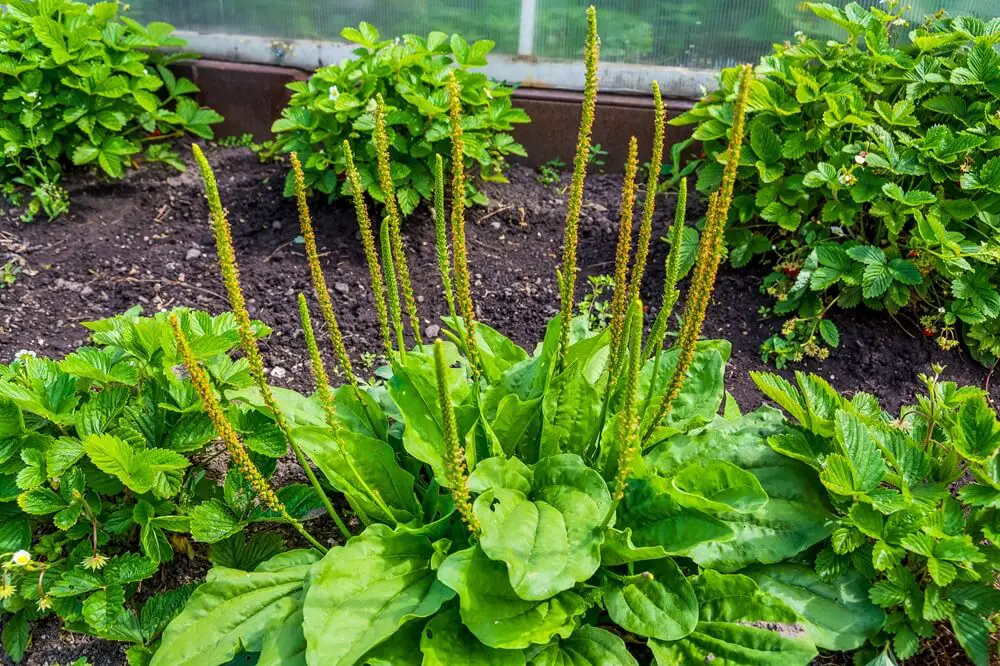
Plantain is not commonly thought of as a medicinal plant, but as a weed to eradicate from the lawn or garden. The fact is, plantain is very valuable for treating a wide variety of ailments.
Reduce swelling and bruising by crushing a few leaves and placing them on the affected area. This method is also useful to slow the bleeding of minor wounds. It soothes burns and scrapes, in addition to clearing rashes, including poison ivy. Take the sting out of insect and spider bites with a poultice made of plantain.
Plantain can also be used as a drawing agent. Place a small amount of crushed or steeped leaves over the entry wound caused by a splinter or other foreign object. The compounds in plantain will draw the material out, while combating infection due to its antibacterial properties. Prepared as a tea, plantain acts as a diuretic, relieves digestive issues and soothes sore throats.
How to use for pain relief (step-by-step):
- Pick clean leaves; rinse well.
- Crush/chew leaves until juicy (or mash with a little clean water).
- Place the mash directly on bite, sting, bruise, or irritated skin.
- Cover with a cloth/bandage to hold in place.
- Leave 20 – 60 minutes. Replace with fresh poultice 2 – 3 times a day.
Rosemary
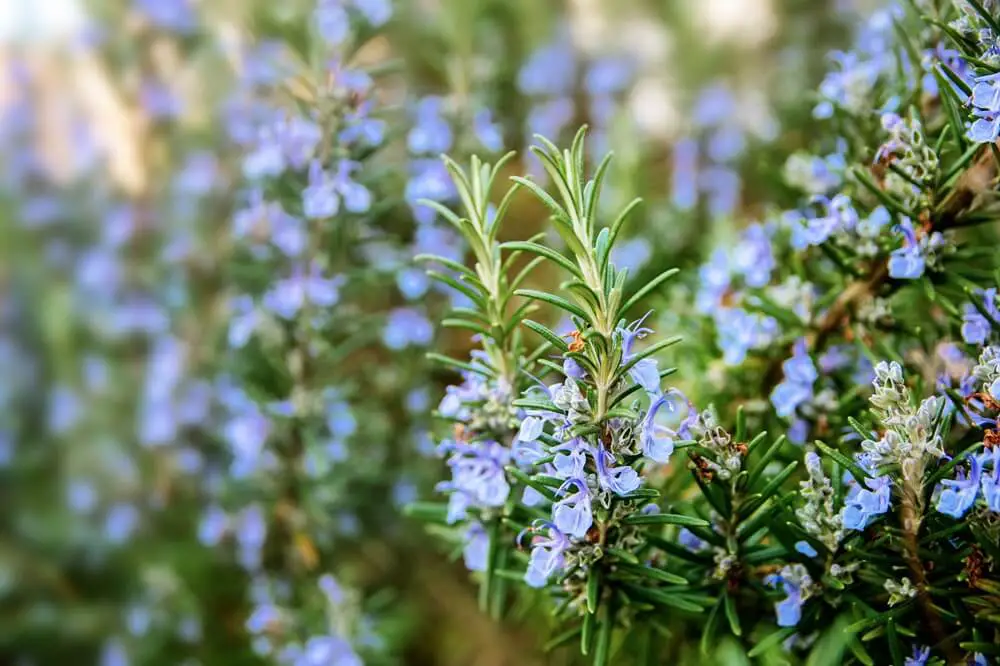
A common herb used in savory dishes, rosemary infused oil is useful for treating many skin conditions. Rosemary can be started from seed or from a cutting, but may be best grown in a container as it is not very tolerant of harsh winter weather.
Rosemary infused oil can be massaged into bruised areas to speed up recovery. It also reduces inflammation due to eczema and other skin rashes. Reduce dandruff by rinsing the scalp with rosemary tea. A mild tea made from rosemary can provide a boost to the immune system as well.
How to use for pain relief (step-by-step):
- Infused oil rub (most common): fill a jar halfway with dried rosemary.
- Cover completely with olive oil and cap.
- Let sit 2 – 4 weeks (shake daily), then strain.
- Massage oil into sore joints/muscles 1 – 3 times a day.
- Patch test first if you have sensitive skin.
Sage
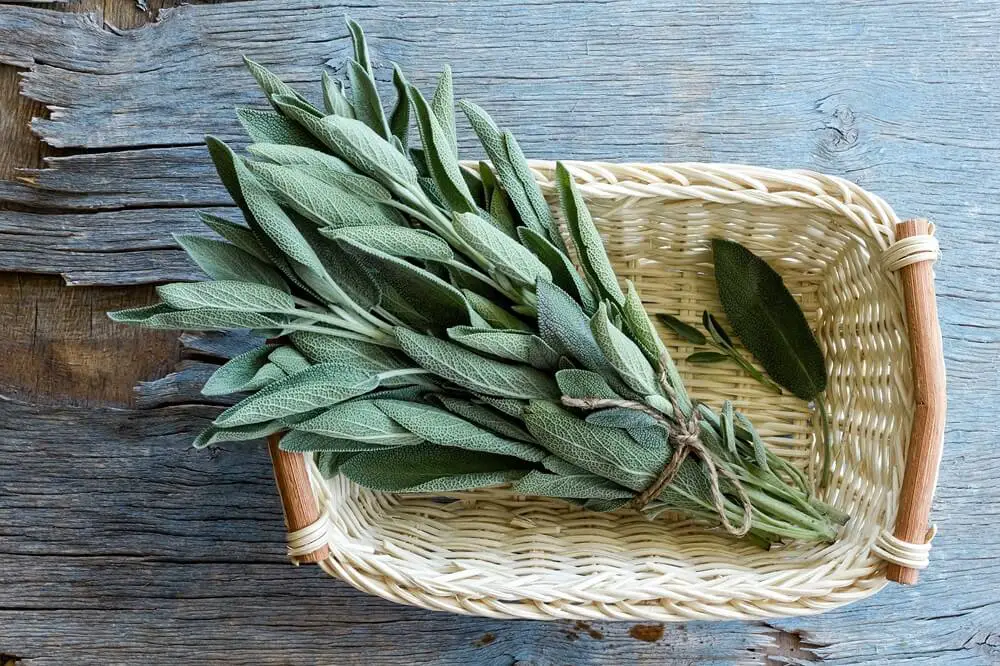
Ordinarily found in the spice cabinet, sage, a shrub-like perennial, is also useful in the medicine cabinet. Started from seed or as a transplant, sage leaves can be harvested throughout the growing season.
Teas made from the leaves relieve sore throats and other sores in the mouth. Sage tea was historically used to shorten colds and reduce fevers. As it is antibacterial and has astringent properties, it can also be used in bath water as a cleaning agent. In addition to being a cleanser, it can also be used as a deodorizer.
How to use for pain relief (step-by-step):
- Make sage tea: steep 1 tsp dried sage (or 1 Tbsp fresh) in 1 cup hot water 10 min.
- Cool to warm (not hot).
- Gargle 30 – 60 seconds for mouth/throat soreness; spit out.
- Repeat 2 – 4 times a day.
- Store leftover tea in the fridge up to 24 hours.
St. John’s Wort
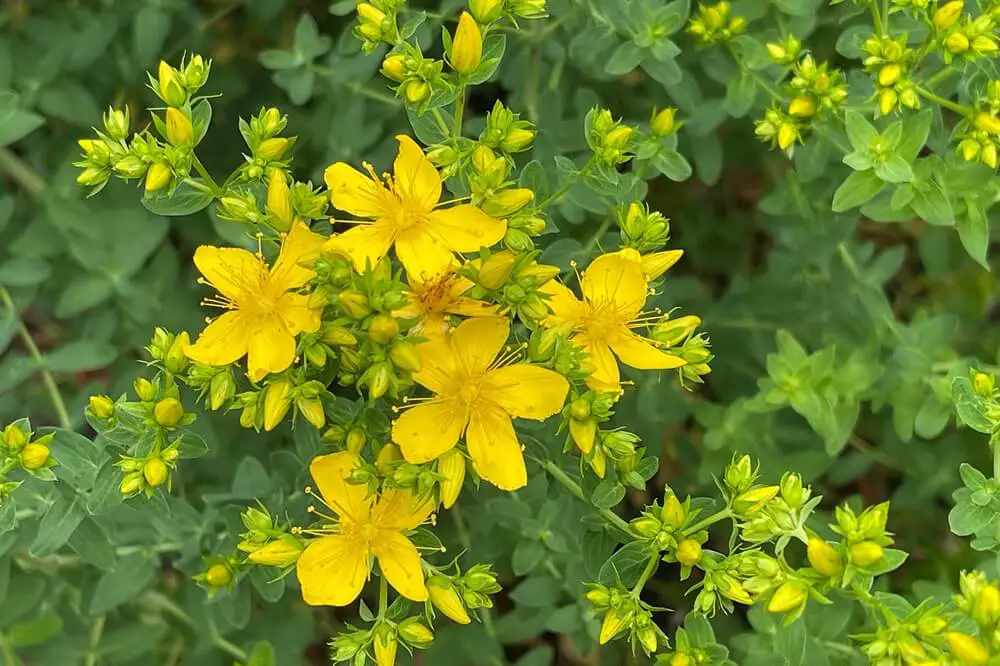
Commonly known for its antidepressant qualities, St. John’s Wort is also effective in managing nerve pain. It can be grown in a sunny part of the garden. The flowers and leaves, used in teas or as a topical oil, can help soothe sciatica, arthritis, and neuralgia. Caution is advised, however, as St. John’s Wort can interact with several medications.
How to use for pain relief (step-by-step):
- Topical oil is the common approach for nerve pain: fill a jar with fresh flowers/leaves (loosely packed).
- Cover with olive oil; cap.
- Steep 2 – 6 weeks in a sunny window; strain.
- Massage into the painful area 1 – 2 times a day.
- Avoid sun on treated skin (can increase photosensitivity); note medication interactions.
Turmeric
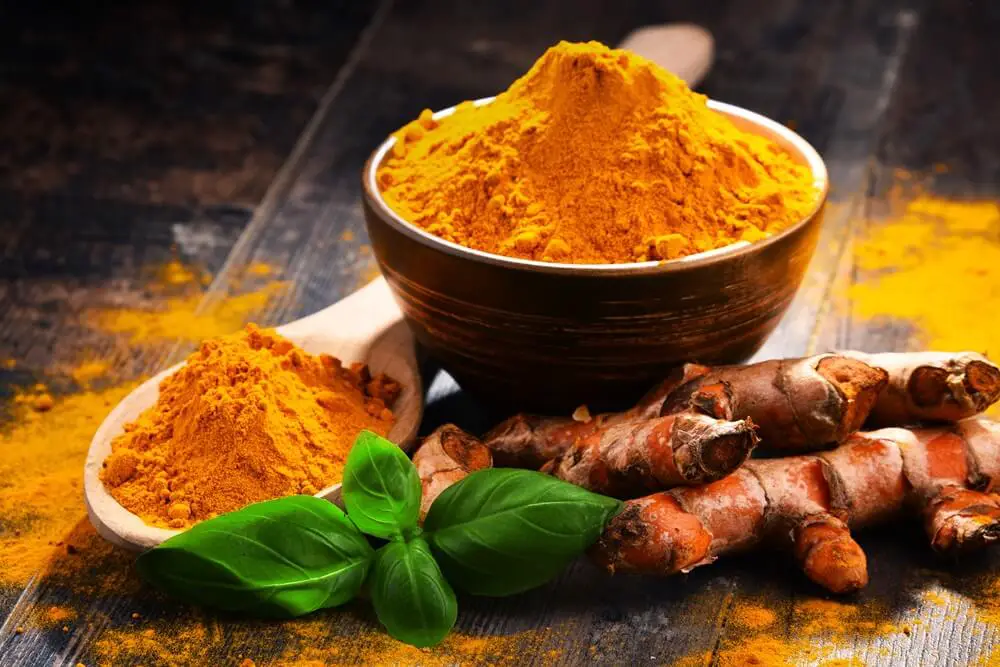
Turmeric, with its active compound curcumin, is renowned for its anti-inflammatory and pain-relieving effects. You can grow turmeric in a similar way to ginger. Consuming turmeric in food, tea, or as a supplement can help reduce chronic pain, especially in conditions like arthritis.
Applying a turmeric paste to bruises and aches can also provide relief. Its antioxidant properties additionally contribute to overall health and wellbeing.
How to use for pain relief (step-by-step):
- Make “golden milk/tea”: whisk ½ tsp turmeric into 1 cup warm milk (dairy or coconut).
- Add a pinch of black pepper + a little fat (milk/coconut oil) to help absorption.
- Optional: add honey and ginger.
- Drink 1 time a day for inflammation-related aches.
- For bruises/aches: mix turmeric + water to a paste, apply 10 – 15 minutes, then rinse (stains).
Valerian
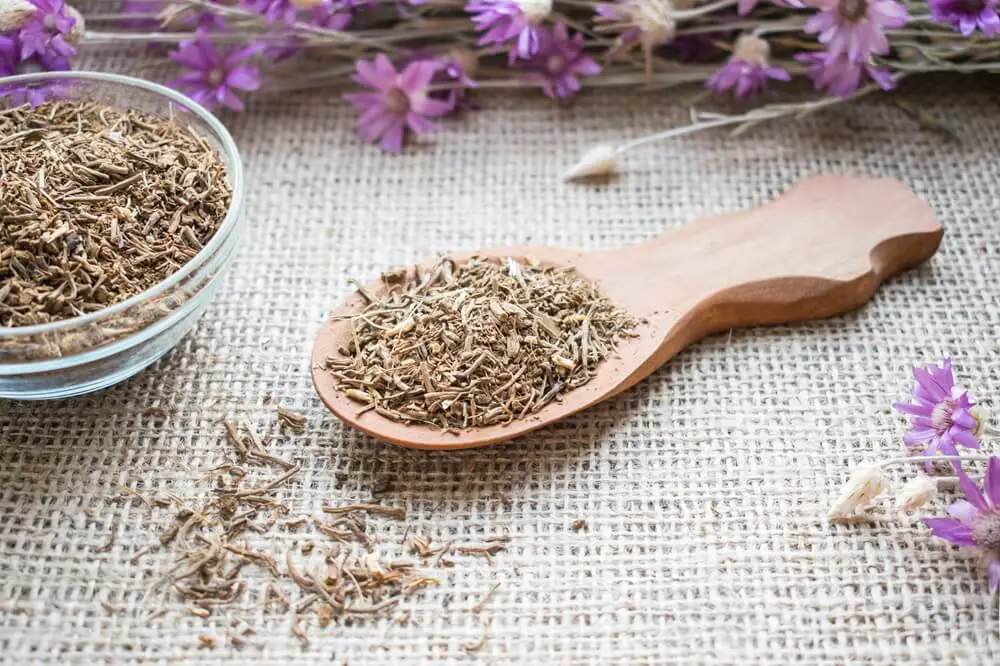
Valerian is a flowering plant whose roots are used for their sedative and calming effects. It’s particularly beneficial for muscle and joint pain. Growing valerian in your garden not only provides access to a natural pain reliever but also attracts beautiful wildlife.
Valerian root can be used in teas or as a tincture to help with muscle spasms, tension headaches, and stress-related body aches.
How to use for pain relief (step-by-step):
- Tea: add 1 – 2 tsp dried valerian root to 1 cup hot water.
- Cover and steep 10 – 15 minutes; strain.
- Drink 30 – 60 minutes before bed to ease tension-related aches/spasms.
- Start with ½ cup to assess drowsiness.
- Avoid combining with alcohol/sedatives.
Wooly Lamb’s Ear
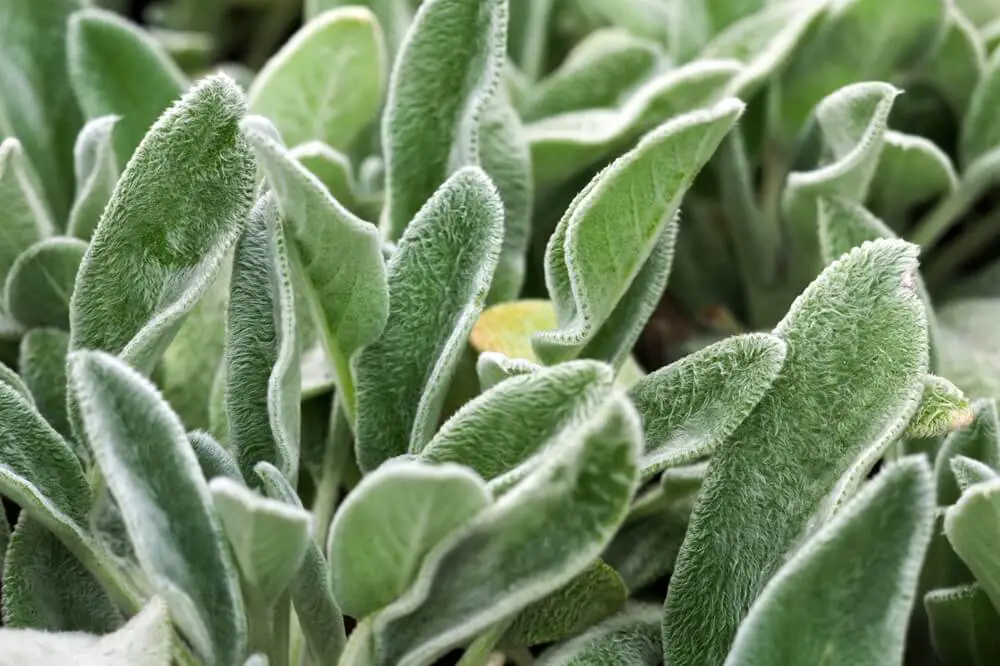
Generally used as a border plant for flower beds, wooly lamb’s ear is nature’s version of the band-aid. Grown from seed or from a cutting, wooly lamb’s ear produces soft hairy leaves that can be harvested and placed on minor cuts and open wounds to reduce bleeding and increase blood clotting.
It is naturally antibacterial, antiseptic and antimicrobial, keeping open skin free from infection. It will reduce the pain and swelling caused by insect and spider bites. A tea made with the leaves can be used as an effective eyewash for treating pinkeye. Moreover, a tea made with young fresh leaves will soothe an upset stomach and stop diarrhea.
How to use for pain relief (step-by-step):
- Harvest a clean, intact leaf; rinse and pat dry.
- For small cuts/scrapes: place leaf fuzzy-side down over the spot.
- Secure with gauze/tape or wrap.
- Change the leaf when it gets wet/dirty (at least 1 – 2 times a day).
- For bites and stings, lightly crush the leaf first, then apply 15 – 30 minutes.
Like this post? Don’t Forget to Pin It On Pinterest!
You May Also Like:

…
https://homesteadsurvivalsite.com/herbs-flowers-pain-relief/
homesteadsurvivalsite.com
Feed Name : Homestead Survival Site
Gardening,Herbs,best flowers,best herbs,herbal painkillers,homemade painkiller,natural pain relief,painkillers
hashtags : #Herbs #Flowers #Pain #Relief
![[Webinar] Creating AI Actors: Character Consistency & Better Results](https://areyoupop.com/wp-content/uploads/1791358692_maxresdefault-500x383.jpg)









Leave A Comment