
Reading Time: 4 minutes
by Sherri Talbot
Learn how to show ducks and geese by being aware of the challenges, from how to choose breeds, show prep, and health requirements to be prepared for.
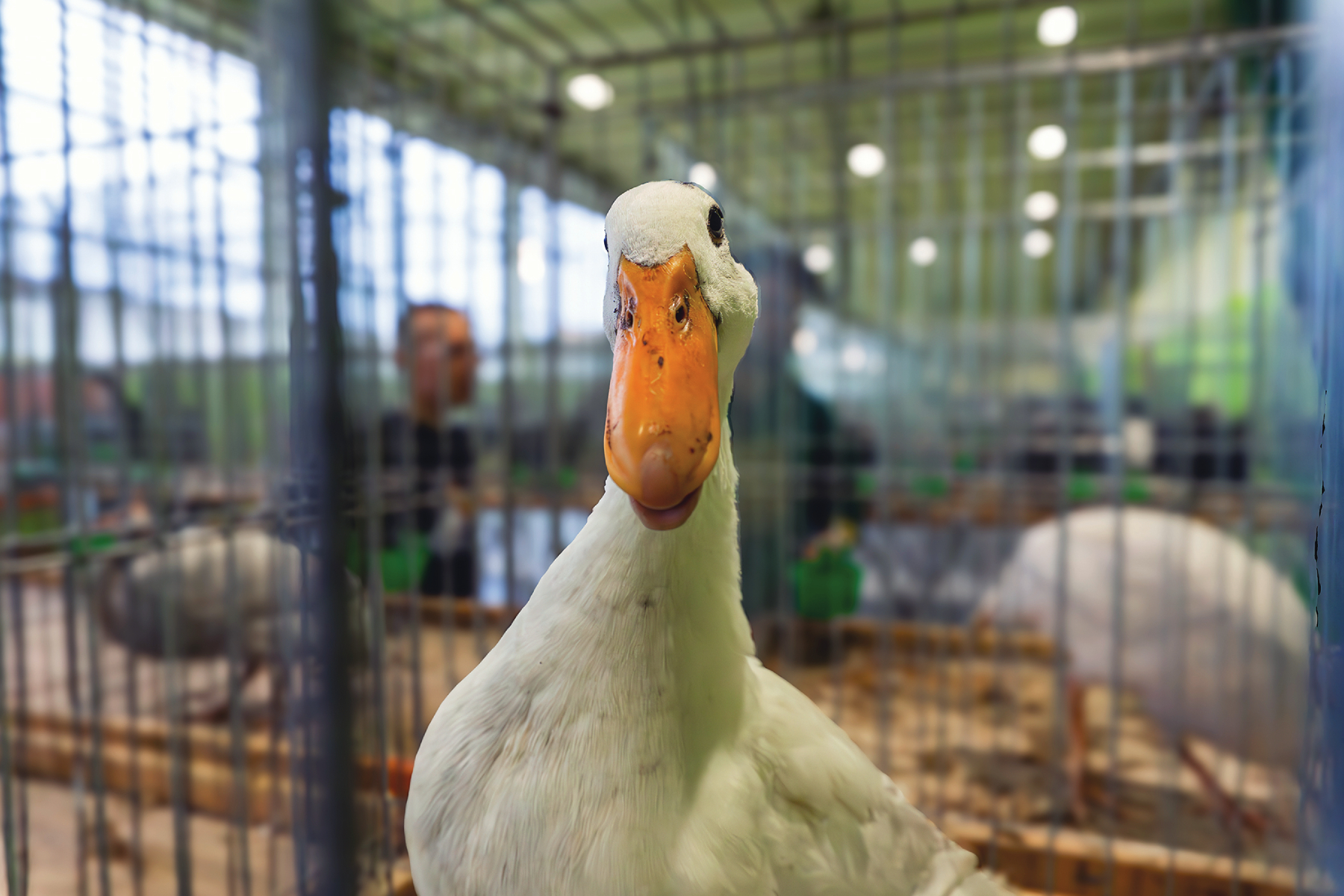
While the most common entries in poultry shows are standard and bantam chickens, waterfowl are also frequent entries. Waterfowl categories include bantam, light, medium, and heavy breed ducks; and light, medium, and heavy geese. Showing waterfowl can be quite similar to showing chickens, with emphasis placed on breed, color, body type, and health.
Like other poultry, waterfowl are arranged by species and weight class, then by breed, variety (usually distinguished by color), and, finally, by age and sex. Birds will similarly be awarded ribbons based on these groupings: best in breed, best in class, and the overall best in show.
Getting Started
As with chickens, not all breeds are allowed in the show ring. The Australian Spotted duck, for instance, is a critically-endangered heritage breed not accepted into American Poultry Association (APA) competitions. Verifying that a breed is recognized by its national poultry organization is the first step a breeder should take in preparing to show waterfowl.
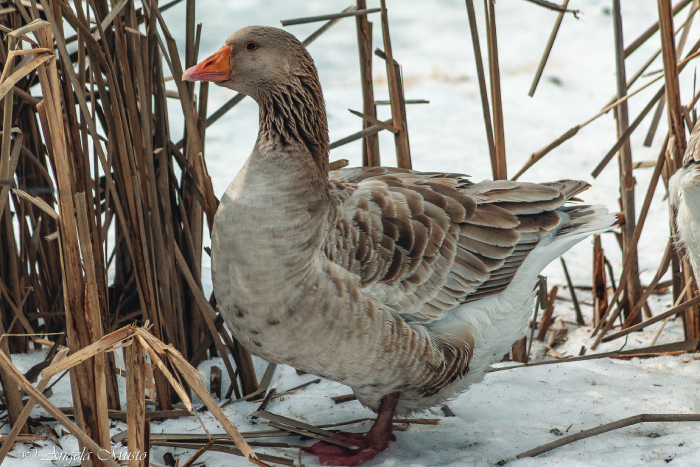
Knowing which category they’ll compete in is also important and can vary depending on where the birds are being shown. American Buff geese are recognized as a medium-weight goose in the U.S., but a heavy-weight bird in British shows. Interestingly, despite being a scientifically distinct species, Muscovy ducks are categorized as a large breed duck by the APA for competition purposes.
Choosing Birds
Finding quality waterfowl stock can be challenging, since they’re less-commonly raised for poultry shows than chickens. Hatchery stock rarely meet breed standards; hatching eggs can be unreliable, and even in day-old goslings, quality may be difficult to determine.
Newcomers usually have better luck purchasing from established breeders who raise show birds. In fall, breeders will likely start looking to move young waterfowl that don’t meet the standards for their breeding program, whether genetically or in the show ring. These birds will have a high upfront cost, but developing a breeding plan will be easiest when starting with waterfowl already part of an existing program.
Upon purchasing any bird, keep it separated from the current flock until you’re certain there are no health concerns. Estimates of how long to keep them separated range from two weeks to a month, with some recommending two months before incorporating new birds. Since waterfowl often don’t show signs of avian flu, integration may be a risky proposal no matter what.
Getting Ready
Finding and showing birds can be difficult for any poultry breeder, but waterfowl have some extra challenges. They need to meet the breed standards, and breeders should know the requirements for their feet, beaks, heads, body structure, and feathers.
However, getting waterfowl comfortable with being handled by the judges can prove more of a challenge. Larger waterfowl are sometimes judged without being removed from the cage, but others will need to learn to remain calm while being held.
When preparing for the show ring, breeders should make sure that show birds are in the best possible shape. High-quality feed and grit, along with good care and grooming, will help them look their finest. There are also “tricks” some breeders use to help boost their birds’ chances in the ring, including vitamins to help them be more energized and supplements to help their colors look brighter and feathers healthier.
The time of year can also affect how waterfowl present. Breeders bring birds that aren’t molting to showcase their best colors and healthy feathers. Many waterfowl molt twice a year, so make sure to know when to expect feathers to begin falling.
When showing younger birds, many use artificial lighting to force them to lay earlier. This also forces earlier maturity in waterfowl hens, giving them an edge over the competition.
Health Requirements
Making certain the flock has appropriate health paperwork is vital. With outbreaks of avian flu, many states have increased their disease-testing requirements for show flocks. For instance, Maine requires National Poultry Improvement Plan (NPIP) testing for all birds being shown or sold across state lines. This process can be expensive for those looking to get into showing, and labs able to process the tests aren’t always immediately available, so leave plenty of time to make arrangements.
Some organizations may have other requirements concerning medication or vaccinations. The state of North Carolina doesn’t allow off-label use of medications in any poultry or livestock on the grounds and requires that on-label use be reported in advance. They also refuse entry to any animal that’s received a live vaccine within 30 days of the show.
Even if these requirements are met, birds that look unkempt or ill may be denied entry. Concerns about the spread of lice, mites, or disease in a poultry show require caution on the part of judges, administrators, and breeders. This means that breeders should make certain their birds are clean, deloused, parasite-free, and feeling great for their show.
At the Show
Poultry shows are stressful for birds, no matter what mitigation steps are taken, but ensuring they have clean food and water is a good start.
Waterfowl are messy birds, so frequent cleaning will help make them more pleasing to the eye — and the nose — of attendees and judges alike.
While chickens are usually kept at eye level during shows, waterfowl cages are often left sitting on the floor. This results in admirers hovering over them, which increases the birds’ anxiety. A sign warning people not to poke at the waterfowl and a large enough cage to comfortably move away from those who ignore the sign can help with fear and aggression responses.
During judging, preventing people from moving in front of the cages will help the birds relax and allow judges to get a better view of their physiques. Breeders should also avoid hovering during judging, because while the birds may be familiar with their humans, this still provides excessive stimulation.
Take Precautions and Make Careful Choices
Showing waterfowl requires learning the breed standards and the requirements for local competitions. Concerns regarding disease may be higher in waterfowl, since they’re less likely to show signs of some illnesses. Waterfowl breeders should be aware of their chosen breeds’ annual molting cycles when selecting birds, so feather loss doesn’t interfere with shows.
Sherri Talbot is the co-owner and operator of Saffron and Honey Homestead in Windsor, Maine. She raises endangered, heritage-breed livestock and hopes someday to make education and writing on conservation breeding her full-time job. Details can be found on Facebook at www.Facebook.com/saffronandhoneyhomestead.
Originally published in the June/July 2026 issue of Backyard Poultry and regularly vetted for accuracy.
…
https://backyardpoultry.iamcountryside.com/poultry-101/how-show-ducks-geese-zm0z26jjzols/
backyardpoultry.iamcountryside.com
Feed Name : Backyard Poultry
Poultry 101,ducks,geese,poultry show
hashtags : #Show #Ducks #Geese










Leave A Comment