
How do you get rid of ammonia smell in your chicken coop? Get rid of ammonia in a chicken coop through regular cleaning, absorbent bedding, and proper ventilation. Ammonia forms when uric acid in chicken droppings breaks down with moisture and bacteria, and left unchecked, it can cause respiratory problems, eye irritation, and reduced egg production in your flock.

That sharp, unpleasant smell you notice walking into a coop isn’t just unpleasant; it’s a warning sign. Ammonia buildup is a real health hazard, but it’s also one of the more preventable problems in chicken keeping once you understand what causes it.
Where Does Ammonia in a Coop Come From?
Ammonia forms when uric acid, a nitrogen-rich component of chicken droppings, comes into contact with moisture and bacteria. That combination triggers a process called urease hydrolysis, which releases ammonia gas. Warm, humid conditions speed this process considerably, since bacteria thrive in such environments.
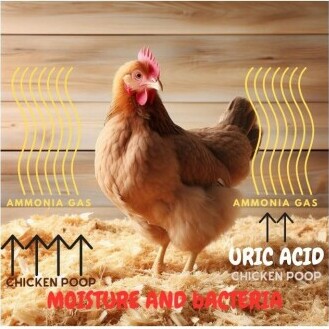
Flock size matters too. More birds mean more droppings, which means more uric acid and more potential for ammonia to form.
Ventilation prevents ammonia from building up to dangerous levels. Good airflow dilutes and removes the gas before it concentrates. A coop with poor ventilation and a solid, non-absorbent floor traps both moisture and ammonia, creating exactly the conditions that make the problem worse.
Coop design plays a role as well. Adequate ventilation openings and a raised floor promote airflow and reduce moisture buildup. Temperature also has an effect. Warmer conditions speed up bacterial activity and ammonia production, while colder temperatures slow it down.
These easy fixes help answer the how do you get rid of ammonia smell in your chicken coop question.
Why Ammonia Is Dangerous for Chickens
Ammonia irritates a chicken’s respiratory tract when inhaled, leading to coughing, sneezing, and labored breathing. Prolonged exposure to high levels can cause serious respiratory distress, and in extreme cases, respiratory failure.
It affects the eyes too. Contact with ammonia causes redness, swelling, and excess tearing, which can make it harder for a chicken to see well enough to find food and water. Severe exposure can lead to corneal damage or blindness.
Egg production takes a hit as well. Research has linked elevated ammonia exposure to reduced laying, tied to hormonal disruption and stress on the birds. Egg quality can suffer too.
Long-term exposure weakens a chicken’s immune system, leaving them more vulnerable to disease, with symptoms such as lethargy, weight loss, and feather loss as a result.
Preventing Ammonia Buildup
Clean the coop regularly. Remove wet bedding and spot-clean droppings often, and do a full deep clean, with all bedding removed and surfaces disinfected, every 1 to 2 months. Wear a mask or respirator while cleaning to avoid inhaling dust, dander, and ammonia.

AirGearPro G-500 Reusable Respirator Mask with A1P2 Filters | Anti-Dust Mask Ideal for Painting, Woodworking, Construction, Sanding, Spraying, Chemicals, DIY etc
$39.99
Ensures your protection during coop cleaning, painting, woodworking, construction, sanding, renovation, demolition etc.

Choose the right bedding. Pine shavings, shredded paper, and straw all absorb moisture well and help limit bacterial growth. Avoid cedar shavings, since they release compounds that can irritate a chicken’s respiratory system. Keep bedding at a depth of 4 to 6 inches for good absorption and insulation.
Prioritize ventilation. Make sure your coop has openings on multiple sides for cross ventilation. If natural airflow isn’t cutting it, a ventilation fan can help move more air through.
Consider the deep litter method. This approach uses a thick bedding layer, 12 to 18 inches, and relies on natural microbial activity to break down waste over time. It needs less frequent full cleanings, but you’ll need to monitor it closely to keep the bedding from getting too wet.
Natural Remedies That Help

A vinegar and baking soda combination can help neutralize ammonia odor. Mix one part white vinegar to four parts water and spray it around the coop and bedding, and sprinkle baking soda directly onto areas with heavy droppings.
Diatomaceous earth helps control both pests and the bacteria that produce ammonia, but use it sparingly. The fine particles can irritate a chicken’s lungs if overapplied, so a light dusting goes a long way.
Certain plants, such as spider plants, peace lilies, and snake plants, can help absorb ammonia and improve air quality when placed around the coop. They’re a nice supplement, but they shouldn’t replace regular cleaning and ventilation.
A few more habits worth adopting: rake bedding regularly to aerate it, add a layer of garden lime to help neutralize ammonia, make sure your coop has decent drainage, and keep water dispensers clean to avoid adding another source of bacterial growth.
Testing and Monitoring Ammonia Levels
Your nose always knows—or does it? Yes, you can smell ammonia quite well when you walk into a coop that needs cleaning, but sometimes it can be something else. I began to clean my coop once when I smelled a strong odor. I stopped after I found the real culprit, an old egg hidden in the litter. What I thought was ammonia wasn’t.
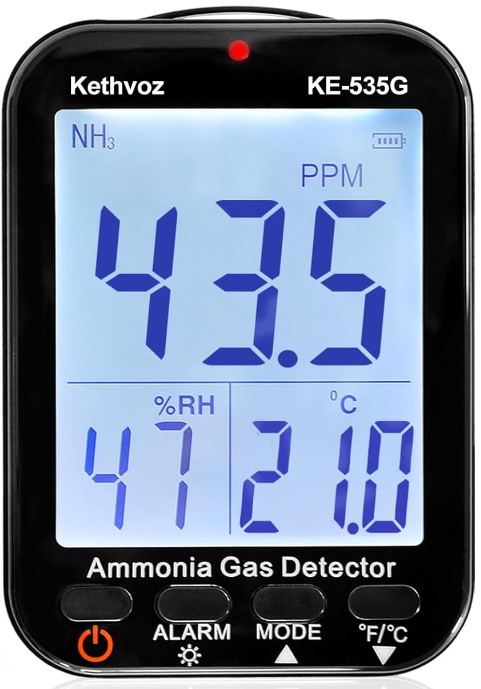
Ammonia test kits are an easy way to check levels in your coop. Most use a paper strip that changes color based on ammonia concentration in the air, which you then compare to a reference chart. Digital testers and pull tube kits are other options if you want something more precise.
Ammonia levels are measured in parts per million (ppm). Levels below 25 ppm are generally considered acceptable, though lower is always better for your flock’s health and egg production. If a reading comes back high, address it right away with better ventilation, fresh bedding, or one of the natural remedies above.
For ongoing tracking, an ammonia sensor or alarm can give you real-time readings and alert you if levels climb past a threshold you set. Testing more often during warm, humid weather is a good habit, since ammonia production tends to spike then. It’s also worth checking different spots in the coop, since ammonia can concentrate more in some areas than others.
As an Amazon Associate, I may earn a commission from purchases you make through my website. The good news is that the seller pays the commission, not you.
FAQ
What’s an acceptable ammonia level in a chicken coop?
Generally below 25 ppm, though lower is better. Levels above that can start causing respiratory issues, eye irritation, and reduced egg production.
How often should I clean my coop to prevent ammonia buildup?
Spot clean and remove wet bedding regularly, ideally weekly, with a full deep clean and bedding replacement every 1 to 2 months. The right frequency depends on flock size, coop size, and ventilation.
Are some chicken breeds more sensitive to ammonia than others?
Yes. Breeds with smaller tracheas or more delicate respiratory systems, like Silkies and other bantam breeds, tend to be more sensitive to ammonia exposure.
What bedding works best for controlling ammonia?
Pine shavings, shredded paper, straw, hemp bedding, and wood pellets are all solid absorbent options. Cedar shavings should be avoided due to the respiratory irritants they release.
Ammonia is one of the more preventable problems in chicken keeping. Stay on top of cleaning, bedding, and ventilation, and your coop should stay fresh and your flock healthy.
Dave

Chickenmethod.com
…
chickenmethod.com
Feed Name : Chicken Method
Chicken Health
hashtags : #Rid #Ammonia #Smell #Chicken #Coop










Leave A Comment