
Is It Hard to Move Chickens?
Yes, moving chickens is genuinely stressful for them, and it can be a real wrestling match for you too if the birds aren’t cooperating. The key to a smooth move is minimizing that stress: keep them fed and watered beforehand, transport them in a dark, secure crate, and get them to their destination as quickly and calmly as possible.
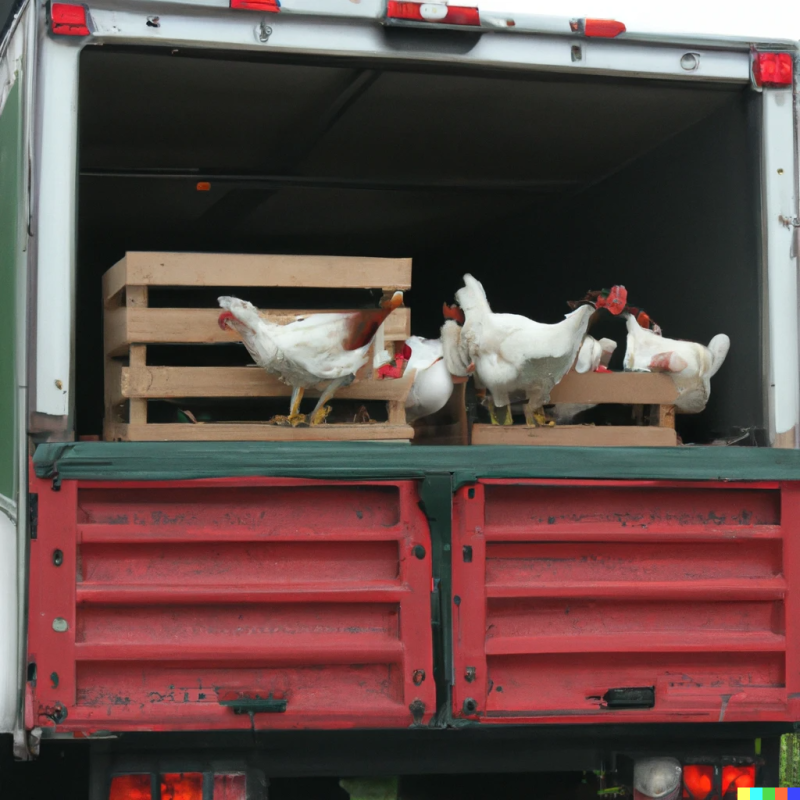
I had too many roosters at one point, so I asked around to see if anyone wanted a few. I got lucky; someone about five miles away said yes. So I went about gathering the birds and crating them for the trip.
Sounds simple enough, right? Let me tell you, when a chicken doesn’t want to cooperate, moving it is a lot harder than it looks.
One rooster actually slipped right out of my hands and wasn’t about to be caught again, so I still have him. Turns out the flock’s a lot calmer with just one rooster anyway, so that worked out fine in the end.
The other two gave me a real run for my money, but I finally got them secured in an old dog crate. I laid a blanket on the floor for a comfortable ride and draped another over the top to keep things dark and calm. The crate rode in the back seat of the truck, not the bed, and away we went.
That works for moving one or two birds. But what if you’re moving a whole flock?
Table of Contents
Why Transport Is So Stressful for Chickens
Watching my roosters during that short trip made it obvious they weren’t happy about it. Transport is genuinely one of the more stressful experiences in a chicken’s life, and stress causes real problems: lower egg production, worse feed conversion, a shorter lifespan, and weight loss.
Chickens are naturally nervous, cautious birds that take time to trust anyone. You can hold a chick every day for weeks, and it’ll seem to forget you entirely after just a couple of days apart. That same skittishness shows up during transport, so making them feel safe matters more than almost anything else in the process.
Think about why chickens go to the coop every evening. It’s dark; it’s got bedding, food, water, and their flock mates. Those are exactly the things you want to recreate as much as possible during a move.
Food and Water Before and During the Trip
A chicken drinks about a pint of water a day. Under good conditions, they can go 48 hours without it, but in hot weather, more than 8 hours without water can actually kill a bird. Keeping them hydrated on a long trip matters, and the fix is simple: stop periodically and give them water. They don’t care how it’s served, just that it is.
Food matters less in the short term; a chicken can go a few days without eating under stress before it becomes a real problem, but it’s still worth offering along the way if the trip runs long.
Preparing for the Trip
Give your birds a good meal of high-quality, high-protein feed and water with electrolytes shortly before you catch and crate them. When you catch them, use both hands around the body; never grab by the neck or legs, and hold them close to keep them calm as you move them into the crate.
I use three birds per crate as a general guide. Close enough together for some stability during the ride, but not so tight that it’s uncomfortable for them.
Choosing the Right Vehicle
I’ve seen chickens hauled in open crates on the back of a truck bed, fully exposed to wind, sun, rain, and dust. Those birds were not having a good time. If you believe stress affects meat quality, and there’s reason to think it does, that’s not the way to do it, even if the destination is slaughter.
A box truck, insulated if you can manage it, is the best option for transport. Chickens like the dark, and when I moved my roosters in the back seat of my truck, I put down an absorbent pad and draped a blanket over the crate. I didn’t hear a peep out of them for the whole five miles.
If you’re using a box truck, make sure there’s enough ventilation. A lot of body heat builds up fast in an enclosed space. The dark keeps them calm, and the enclosure keeps sun and rain off them; just don’t let it turn into an oven.
Whatever you use, strap the crates down securely so they don’t slide or tumble during the drive.
Know Where You’re Going
Plan your route ahead of time. One wrong turn can add a lot of unnecessary stress to an already stressful trip for your birds.
Make sure whoever’s receiving the chickens knows they’re coming and is actually ready. If they’re headed to a new coop, it should already have food, water, and bedding ready. If they’re headed to slaughter, do what you can to make that transition as humane as possible.
When you arrive, do a quick check to see if any particular crate or bird needs attention first. Get them into their new housing as swiftly as you reasonably can. They’re going to be hungry and thirsty by then.
So, is it Hard to Move Chickens?
Keeping chickens comfortable during a move comes down to preparation: feed and water them well beforehand, keep them calm, dark, and secure during the trip, and know exactly where you’re headed. Follow those steps, and you’ve got a good shot at a smooth, low-stress move for everyone involved, chickens included.
FAQ
How long can chickens go without water during transport?
Up to 48 hours under good conditions, but in hot weather, that drops significantly. More than 8 hours without water in the heat can be fatal. Stop periodically to offer water on any longer trip.
How many chickens can I put in one crate?
Three birds per crate is a reasonable guideline, close enough for stability during the ride without crowding them uncomfortably.
Should I feed chickens before transporting them?
Yes. A good meal of high-quality, high-protein feed with electrolytes shortly before the trip helps them handle the stress better.
What’s the best way to keep chickens calm during a move?
Keep them in a dark, secure crate with soft bedding. Chickens instinctively feel safer in the dark, similar to how they settle into the coop each night.
I appreciate you taking the time to read this. If you’ve got questions, drop me a line below. Thanks.
Dave

Chickenmethod.com
…
chickenmethod.com
Feed Name : Chicken Method
Feeding & Nutrition
hashtags : #Hard #Move #Chickens










Leave A Comment