
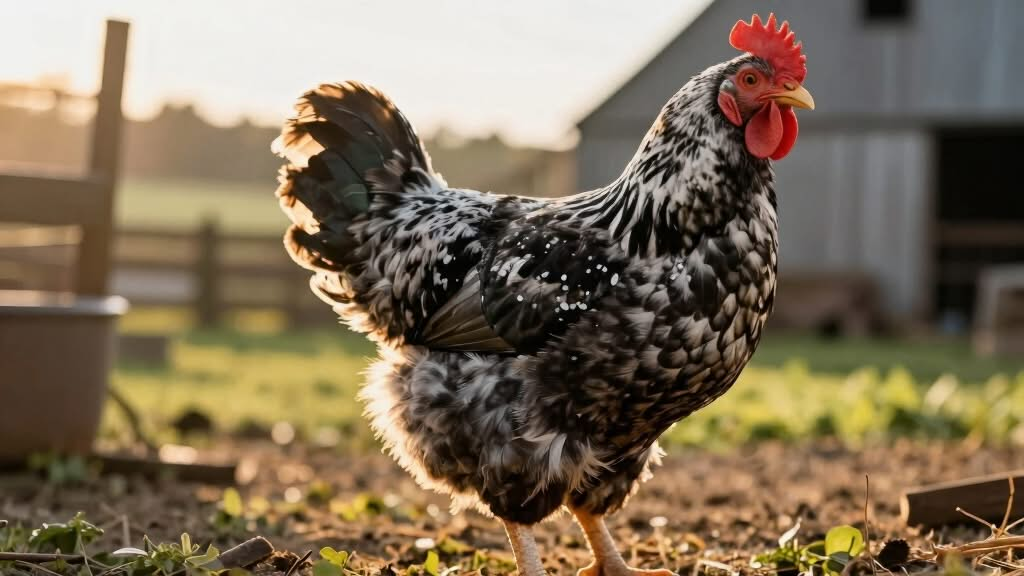
Quick Answer: Gentle giant chicken breeds are large, docile heritage chickens that typically weigh 8-13 pounds and stand out for their calm temperament, making them ideal for family flocks. The most popular gentle giant chicken breeds include Jersey Giants, Brahmas, Cochins, and Buff Orpingtons, all known for combining impressive size with friendly, easy-going personalities that work well in backyard settings.
Key Takeaways
- Gentle giant chicken breeds weigh 8-13 pounds on average, roughly double the size of standard laying hens
- Jersey Giants are the largest breed, with roosters reaching up to 13 pounds and hens 10-11 pounds
- Brahmas, Cochins, and Orpingtons are excellent beginner-friendly options due to their docile nature
- Large breeds require 4-5 square feet of coop space per bird (versus 3-4 for standard breeds)
- Most gentle giants lay 150-200 medium to large brown eggs annually, fewer than production breeds
- These breeds excel as family pets and are particularly safe around children due to their calm disposition
- Expect to pay $5-8 per chick or $25-50 for started pullets from quality hatcheries
- Common mistakes include using standard-sized nesting boxes and roosts that are too high or narrow
- Cochins and Orpingtons go broody frequently, making them excellent natural mothers
- Feed costs run 20-30% higher than standard breeds due to increased body mass
What Are Gentle Giant Chicken Breeds?
Gentle giant chicken breeds are heritage poultry varieties bred for both meat and eggs that combine substantial size (8-13 pounds) with exceptionally calm, friendly temperaments. These breeds were developed in the 1800s and early 1900s as dual-purpose farm birds before industrial agriculture shifted toward specialized production breeds.
The defining characteristics of gentle giants include:
- Size: Adult hens weigh 8-11 pounds; roosters 10-13 pounds
- Temperament: Docile, tolerant of handling, rarely aggressive
- Growth rate: Slower maturation (6-8 months to laying age versus 4-5 for production breeds)
- Egg production: Moderate layers producing 150-200 eggs per year
- Cold hardiness: Dense feathering makes them excellent winter birds
- Lifespan: 6-8 years with proper care, longer than high-production breeds
These breeds work particularly well for backyard keepers who prioritize pet-quality birds over maximum egg production. Their calm nature makes them easier to manage in smaller spaces, and their size provides a visual centerpiece for any flock.
Choose gentle giants if you want friendly, handleable chickens that children can interact with safely, you live in cold climates, or you value temperament over egg quantity. Avoid them if you need maximum egg production, have limited coop space, or want birds that mature quickly.
How Big Do Jersey Giant Chickens Get?
Jersey Giants are the largest purebred chicken breed, with roosters reaching 13 pounds and hens typically weighing 10-11 pounds at maturity. Developed in New Jersey in the 1870s, these birds were originally bred as a table fowl alternative to turkey.
Size specifications by age:
- 8 weeks: 3-4 pounds
- 16 weeks: 6-7 pounds
- 6 months: 8-10 pounds
- Full maturity (9-12 months): Hens 10-11 lbs, roosters 13 lbs
Jersey Giants come in three color varieties: Black (most common), White, and Blue. Black Jersey Giants often display a beetle-green sheen in sunlight. Despite their imposing size, they’re known for being gentle and easy to handle.
Important considerations: Jersey Giants take longer to reach full size than other breeds, requiring 8-9 months before pullets begin laying. Their slow growth means higher feed costs during the growing period. However, once mature, they’re efficient foragers that can offset some feed expenses if given adequate ranging space.
These birds need reinforced roosts (2×4 lumber laid flat works well) and sturdy nesting boxes due to their weight. Standard chicken wire and flimsy roosts may not support them safely.
Brahma vs Cochin Chicken: Which Is Better for Beginners?
Both Brahmas and Cochins rank among the best gentle giant chicken breeds for beginners, but Brahmas edge ahead for most new keepers due to better egg production and slightly more active foraging behavior. Brahmas lay 150-200 brown eggs annually, while Cochins produce 120-150 eggs and go broody more frequently, reducing laying consistency.
Comparison breakdown:
| Feature | Brahma | Cochin |
|---|---|---|
| Weight | Hens 8-10 lbs, roosters 10-12 lbs | Hens 8-9 lbs, roosters 10-11 lbs |
| Eggs/year | 150-200 medium brown | 120-150 medium brown |
| Broodiness | Occasional | Frequent |
| Feathering | Leg feathers, upright posture | Heavy leg/foot feathers, round body |
| Temperament | Calm, slightly more active | Extremely docile, sedentary |
| Cold tolerance | Excellent | Excellent |
| Best for | Egg production + pets | Brooding, showing, pets |
Choose Brahmas if you want a balance of eggs and temperament, prefer birds that forage actively, or live in wet climates (their upright posture keeps belly feathers cleaner). Light Brahmas are particularly striking with their black-and-white columbian pattern.
Choose Cochins if you want a natural broody hen to hatch eggs, prioritize maximum docility over production, or enjoy exhibition-quality birds with dramatic feathering. Cochins’ heavily feathered feet require dry conditions and extra coop maintenance to prevent mud buildup and foot problems.
Common beginner mistake: Underestimating how broody Cochins become. A broody hen stops laying and sits on the nest for 21+ days, which can frustrate keepers expecting consistent eggs. If you don’t want chicks, Brahmas are the more practical choice.
Are Gentle Giant Chickens Good with Kids?
Gentle giant chickens are excellent with children due to their calm temperament, tolerance for handling, and low aggression levels. Breeds like Buff Orpingtons, Cochins, and Brahmas actively enjoy human interaction and rarely peck or scratch defensively, making them safer than flighty or territorial breeds.
Why they work well for families:
- Predictable behavior: Slow, deliberate movements make them less startling for young children
- Tolerance for handling: Most gentle giants accept being picked up and held without struggling
- Low flight drive: Their size limits flying ability, so they’re easier to contain and catch
- Gentle pecking: When taking treats from hands, they peck softly compared to aggressive breeds
- Roosters are calmer: Even gentle giant roosters show less aggression than smaller, high-strung breeds
Safety guidelines for kids:
- Teach children to approach slowly and speak softly
- Always supervise interactions with children under 8
- Show kids how to support the bird’s body and feet when holding
- Establish hand-washing rules after handling chickens
- Explain that even gentle birds may peck if startled or protecting eggs
Buff Orpingtons particularly excel as “lap chickens” and often seek out human attention. Many backyard keepers report their Orpingtons following them around the yard like puppies.
One caution: While hens are universally gentle, always evaluate individual rooster temperament. Even in docile breeds, roughly 10-15% of roosters may show territorial behavior during breeding season. Rehome any rooster that shows aggression toward children, regardless of breed reputation.
Where to Buy Jersey Giant Chickens Near Me
Jersey Giant chickens are available through hatcheries, local breeders, farm stores, and online poultry suppliers, with prices ranging from $5-8 per day-old chick to $25-50 for started pullets. Your best source depends on whether you prioritize cost, quality, or convenience.
Sourcing options ranked by quality:
-
Specialized breeders (best quality): Search the American Poultry Association breeder directory or Jersey Giant Club listings for breeders maintaining show-quality lines. Expect $8-15 per chick but superior size, type, and temperament.
-
Local hatcheries: Regional hatcheries often carry Jersey Giants seasonally. Call ahead to reserve chicks, as gentle giant breeds sell out quickly in spring. Quality varies but is generally good for backyard purposes.
-
National mail-order hatcheries: Murray McMurray, Meyer Hatchery, and Cackle Hatchery ship day-old chicks nationwide. Convenient but requires minimum orders (often 15+ chicks for warmth during shipping).
-
Farm stores: Tractor Supply Co. and local feed stores stock chicks March-May. Selection is limited and breeds may not be verified, but it’s the easiest option for beginners wanting 2-3 birds.
-
Craigslist/Facebook: Local hobby breeders often sell started pullets. Inspect birds carefully for health signs and ask about vaccination history.
Timing matters: Order chicks in January-February for March-April delivery to ensure availability. Jersey Giants are less common than production breeds, so popular hatcheries sell out early in the season.
Common mistake: Buying “assorted heavy breed” chicks without breed verification. Some farm stores label any large chick as a “giant,” but you may end up with mixed breeds. Always ask for specific breed confirmation or buy from sources that guarantee breed accuracy.
How Much Does It Cost to Raise Brahma Chickens?
Raising Brahma chickens costs approximately $150-200 per bird for the first year, including chick purchase, feed, housing, and basic supplies. Ongoing annual costs drop to $50-75 per bird after initial setup, with feed representing 70-80% of recurring expenses.
First-year cost breakdown (per bird):
- Chick: $5-8 (day-old) or $30-40 (started pullet)
- Feed (0-12 months): $60-80 (approximately 100-120 lbs total)
- Coop space (prorated): $40-60 (assumes $400-600 coop for 10 birds)
- Bedding: $15-20 annually
- Feeders/waterers (prorated): $5-10
- Health supplies: $10-15 (vitamins, first aid, dewormer)
- Miscellaneous: $10-20 (treats, supplements, unexpected needs)
Feed costs in detail: Brahmas consume 20-30% more feed than standard breeds due to their size. Expect each bird to eat approximately 0.3-0.35 pounds of feed daily (versus 0.25 for standard hens). At $15-20 per 50-pound bag, that’s roughly $5-7 per bird monthly, or $60-84 annually.
Ways to reduce costs:
- Buy feed in bulk (50-pound bags versus small quantities)
- Allow supervised free-ranging to supplement diet with insects and greens
- Grow fodder or sprouts to stretch feed
- Join a local chicken-keeping co-op for group purchasing discounts
- Build your own coop rather than buying prefab units
Return on investment: A Brahma hen laying 180 eggs annually produces roughly 15 dozen eggs. At $4-6 per dozen for farm-fresh eggs, that’s $60-90 in egg value, offsetting most of the annual feed cost. However, most backyard keepers raise gentle giants for enjoyment rather than profit.
Budget reality check: If cost is your primary concern, production breeds like Rhode Island Reds or Leghorns are more economical. Choose Brahmas because you value their temperament and presence, not for financial return.
Why Is My Jersey Giant Chicken Aggressive?
Jersey Giant chickens showing aggression is unusual for the breed and typically stems from rooster territorial behavior during breeding season, improper socialization, overcrowding, or individual personality variation. True aggression in Jersey Giant hens is rare and often indicates stress, illness, or competition over resources.
Common causes and solutions:
Roosters during breeding season: Even gentle breeds become more protective of hens from March-July. A rooster may chest-bump, spur, or chase perceived threats. This is normal behavior, not true aggression. Carry a broom or stick when entering the run to establish boundaries without harming the bird.
Lack of early handling: Chicks not handled regularly during weeks 2-8 may remain skittish and defensive as adults. While you can’t reverse this completely, daily treat-feeding from your hand gradually builds trust.
Overcrowding stress: Jersey Giants need 4-5 square feet of coop space per bird and 10+ square feet of run space. Cramped conditions trigger pecking order disputes and defensive behavior. Expand housing or reduce flock size.
Resource competition: Insufficient feeders, waterers, or nesting boxes create conflict. Provide at least one 12-inch feeder and one waterer per 4-6 birds, plus one nesting box per 3-4 hens.
Individual personality: Roughly 5-10% of any breed will have more assertive temperaments. If a bird consistently attacks without provocation despite good conditions, rehoming may be the safest option.
Health issues: Sudden aggression in a previously calm bird may indicate pain from injury, parasites, or illness. Check for external parasites (mites, lice), examine feet for bumblefoot, and watch for signs of respiratory disease.
Mistake to avoid: Punishing aggressive behavior by hitting or kicking the bird. This increases fear and defensive aggression. Instead, use a broom to gently push the bird away while maintaining calm body language. Consistency matters more than force.
Do Large Chicken Breeds Need Special Coops?
Large chicken breeds require modified coop designs with increased floor space (4-5 square feet per bird versus 3-4 for standard breeds), lower and wider roosts, oversized nesting boxes, and reinforced structural supports to accommodate their weight. Standard coops can work if modified, but prefab “starter coops” marketed for 4-6 chickens will only comfortably house 2-3 gentle giants.
Critical modifications for gentle giant chicken breeds:
Floor space: Provide minimum 4-5 square feet per bird inside the coop and 10 square feet per bird in the run. Overcrowding leads to stress, pecking, and health issues in large breeds.
Roost specifications:
- Height: 18-24 inches from floor (versus 3-4 feet for standard breeds)
- Width: 2×4 lumber laid flat (3.5-inch wide surface)
- Spacing: 18 inches between parallel roosts
- Support: Roosts must hold 10-13 pounds per bird without sagging
Nesting boxes:
- Size: 14×14 inches minimum (versus 12×12 for standard hens)
- Height: 12-18 inches off the floor for easy access
- Quantity: One box per 3-4 hens
- Bedding depth: 4-6 inches to cushion heavy birds
Door and ramp: Standard pop doors (10×10 inches) are too small. Use 12×14-inch openings minimum. Ramps should be wide (12+ inches) with cross-slats every 4 inches for traction.
Ventilation: Large birds produce more body heat and moisture. Add extra ventilation near the roofline (1 square foot per 10 square feet of floor space) to prevent respiratory issues.
Common mistake: Placing roosts too high. Heavy breeds jumping down from 4-foot roosts risk leg injuries and bumblefoot. Keep roosts low and provide sturdy landing areas.
Budget-friendly approach: Modify an existing shed or large dog house rather than building from scratch. Many keepers successfully convert 8×8-foot storage sheds into comfortable housing for 6-8 gentle giants.
Best Gentle Giant Chicken Breed for Small Backyards
Buff Orpingtons are the best gentle giant chicken breed for small backyards, combining moderate size (8-10 pounds), excellent temperament, reliable egg production (180-200 annually), and adaptability to confinement. They thrive in smaller spaces better than Jersey Giants or Brahmas while maintaining the docile personality that defines gentle giants.
Why Buff Orpingtons excel in limited space:
- Smaller footprint: At 8-10 pounds, they need less space than 11-13 pound Jersey Giants
- Low flight drive: Rarely attempt to fly over 4-foot fences, easier to contain
- Confinement tolerance: Adapt well to covered runs without free-ranging
- Quiet: Less vocal than many breeds, important for close neighbors
- Consistent layers: Produce eggs reliably even in confined conditions
- Cold and heat hardy: Handle temperature extremes better than heavily feathered Cochins
Space requirements for small yards:
- Minimum coop: 32 square feet for 4 Buff Orpingtons (8 sq ft each)
- Minimum run: 80 square feet for 4 birds (20 sq ft each)
- Total footprint: 112 square feet (roughly 10×11 feet)
Alternative option: If you want the largest possible bird in a small space, choose Cochins over Jersey Giants. Cochins’ sedentary nature means they’re content with less activity space, though their egg production is lower.
Design tips for small-space gentle giants:
- Build vertically with multi-level roosts and platforms to maximize usable space
- Use covered runs to provide weather protection without expanding footprint
- Install automatic doors and external-access nesting boxes to reduce time inside the coop
- Provide dust bath areas and enrichment (hanging treats, perches) to prevent boredom
- Consider just 2-3 birds rather than a larger flock
Reality check: While Orpingtons adapt to small spaces better than other gentle giants, they still need more room than bantams or standard layers. If your yard is under 100 square feet total, consider smaller breeds or check local regulations about minimum space requirements.
Are Brahma Chickens Too Big for Standard Nesting Boxes?
Brahma chickens can use standard 12×12-inch nesting boxes but will be more comfortable and lay more consistently in 14×14-inch or 14×16-inch boxes designed for large breeds. Undersized boxes cause stress, egg breakage, and may lead hens to lay on the coop floor instead.
Nesting box sizing guide:
- Standard breeds: 12×12 inches
- Large breeds (Brahmas, Orpingtons): 14×14 inches minimum
- Giant breeds (Jersey Giants): 14×16 inches recommended
- Depth: 12-14 inches for all sizes
Signs your boxes are too small:
- Hens standing or squatting outside boxes while clearly ready to lay
- Eggs laid on the floor or in corners
- Broken or cracked eggs from cramped turning
- Multiple hens trying to share one box while others sit empty
- Hens appearing stressed or agitated around nesting time
DIY solution: Convert standard boxes by removing dividers between two adjacent boxes, creating a 12×24-inch space. Add a divider at the 14-inch mark to create proper sizing. This works well with existing coop setups.
Bedding matters too: Use 4-6 inches of soft bedding (pine shavings, straw, or hemp) to cushion heavy birds. Thin bedding increases the risk of cracked eggs when a 10-pound hen settles onto them.
Budget option: Plastic storage totes (18-gallon size) make excellent nesting boxes for large breeds. Cut a 10×10-inch entrance on one end, fill with bedding, and secure to the wall at 12-18 inches height. Cost: $5-8 per box versus $30-50 for commercial units.
Common mistake: Placing nesting boxes higher than roosts. Chickens naturally want to sleep at the highest point, so they’ll roost in nesting boxes if boxes are elevated above roost bars. Keep boxes lower than roosts to prevent this behavior.
Gentle Giant Chickens vs Regular Chickens: Egg Production
Gentle giant chickens produce 150-200 eggs annually compared to 250-300+ eggs from production breeds like Leghorns or Rhode Island Reds, representing a 30-40% reduction in output. However, gentle giants lay larger eggs (often jumbo or extra-large), have longer productive lifespans, and maintain more consistent winter laying than high-production breeds.
Production comparison:
| Breed Type | Eggs/Year | Egg Size | Peak Years | Total Lifetime |
|---|---|---|---|---|
| Gentle Giants (Brahma, Orpington, Jersey Giant) | 150-200 | Large to Jumbo | 2-4 years | 600-1,000 eggs |
| Production Breeds (Leghorn, Rhode Island Red, ISA Brown) | 250-320 | Large | 1-2 years | 600-800 eggs |
| Dual-Purpose (Plymouth Rock, Wyandotte) | 200-250 | Large | 2-3 years | 700-900 eggs |
Key differences:
Laying schedule: Gentle giants start laying at 6-8 months (versus 4-5 months for production breeds) but maintain steadier production into years 3-5. Production breeds peak early then decline sharply.
Seasonal patterns: Most gentle giants continue laying through winter with supplemental light, while some production breeds stop completely during short days.
Broodiness: Cochins and Orpingtons go broody frequently, stopping egg production for 3+ weeks at a time. Jersey Giants and Brahmas are less broody.
Egg quality: Gentle giant eggs have thicker shells and richer yolks due to slower production cycles. Many keepers report better baking and cooking results.
Choose gentle giants if you want 3-4 eggs per week per hen, value temperament over maximum production, or plan to keep birds as pets beyond their peak laying years.
Choose production breeds if you need maximum eggs from minimum birds, have limited space, or want quick return on investment.
Hybrid option: Mix your flock with 60% production breeds and 40% gentle giants. This balances egg output with the personality benefits of docile birds, and the calm giants often reduce overall flock stress.
Common Mistakes Raising Large Breed Chickens
The most common mistakes raising large breed chickens include using standard-sized equipment, overfeeding treats, starting with too many birds, ignoring slow growth rates, and failing to account for increased space needs. These errors lead to health problems, poor production, and frustrated keepers who expected gentle giants to behave like standard layers.
Top mistakes and corrections:
1. Standard equipment: Using 12×12-inch nesting boxes, narrow roosts, and small feeders designed for standard breeds. Fix: Upgrade to 14×14-inch boxes, 2×4 flat roosts, and larger capacity feeders before birds reach full size.
2. Overfeeding treats and scratch: Large breeds are prone to obesity, which causes leg problems and reduces laying. Treats should be under 10% of total diet. Fix: Limit scratch grains to 1-2 tablespoons per bird daily; focus on complete layer feed.
3. Starting with too many chicks: Beginners often buy 6-8 chicks without realizing gentle giants need 50% more space than expected. Fix: Start with 3-4 birds maximum until you understand their space requirements.
4. Expecting early eggs: Getting frustrated when pullets don’t lay by 5-6 months. Fix: Understand that gentle giants mature at 6-8 months; plan accordingly and don’t reduce feed quality trying to “force” laying.
5. High roosts: Placing roosts at 4-5 feet causes leg injuries when heavy birds jump down. Fix: Keep roosts at 18-24 inches maximum with sturdy landing areas.
6. Inadequate ventilation: Large birds produce more heat and moisture; poor airflow causes respiratory issues. Fix: Provide 1 square foot of ventilation per 10 square feet of floor space, positioned above roost level.
7. Mixing with aggressive breeds: Pairing docile giants with territorial breeds like Leghorns or game birds leads to bullying. Fix: Keep gentle giants with other calm breeds (Orpingtons, Australorps, Cochins).
8. Ignoring foot health: Heavy breeds are prone to bumblefoot (foot infections) from jumping onto hard surfaces. Fix: Use sand or deep bedding, keep landing areas soft, and inspect feet monthly.
9. Rushing integration: Adding new birds without proper quarantine and introduction. Fix: Quarantine new birds for 30 days, then use see-but-not-touch separation for 1-2 weeks before full integration.
10. Wrong climate expectations: Assuming heavily feathered breeds like Cochins handle heat well. Fix: Provide shade, frozen treats, and misters for feather-footed breeds in hot climates.
Do Cochin Chickens Go Broody Often?
Cochin chickens go broody very frequently, with most hens attempting to hatch eggs 2-4 times per year, making them one of the broodiest breeds available. This trait makes Cochins excellent natural mothers but reduces annual egg production by 30-50% compared to non-broody gentle giants like Jersey Giants.
Broodiness patterns:
- Frequency: 2-4 broody cycles annually (spring through fall)
- Duration: 21 days minimum (full incubation period), often 25-30 days if eggs don’t hatch
- Egg production loss: 6-10 weeks of non-laying per broody cycle
- Success rate: 80-90% hatch rate with fertile eggs; excellent mothers
Signs of broodiness:
- Hen stays on nest 23+ hours daily
- Flattens body and puffs feathers when approached
- Makes distinctive growling or clucking sounds
- Pecks at hands reaching for eggs
- Pulls chest feathers to line nest
Managing broody Cochins:
If you want chicks: Provide a quiet, secure nesting area away from the main flock. Place 8-12 fertile eggs under the hen. She’ll handle the rest, including raising chicks for 6-8 weeks.
If you don’t want chicks: Break broodiness by removing the hen from the nest multiple times daily, placing her in a wire-bottom “broody breaker” cage for 3-5 days, or using a small fan to cool her underside. This disrupts the hormonal cycle.
Breed comparison:
- Most broody: Cochins, Silkies, Orpingtons
- Moderately broody: Brahmas, Wyandottes
- Rarely broody: Jersey Giants, Leghorns, Rhode Island Reds
Strategic use: Many keepers maintain one Cochin specifically as a “broody hen” to hatch eggs from their entire flock, including breeds that don’t go broody. This provides chicks without an incubator while keeping other hens in production.
Common frustration: New keepers expecting consistent eggs from Cochins are disappointed by frequent broody breaks. If egg production is your priority, choose Brahmas or Jersey Giants instead. If you value natural hatching ability, Cochins are unmatched among gentle giants.
Are Orpington Chickens Considered Gentle Giants?
Orpington chickens are considered gentle giants, though they’re at the smaller end of the category at 8-10 pounds compared to 10-13 pound Jersey Giants. Developed in England in the 1880s, Orpingtons combine substantial size with the docile, friendly temperament that defines gentle giant breeds, making them one of the most popular choices for family flocks.
Orpington specifications:
- Weight: Hens 8-9 lbs, roosters 10 lbs
- Egg production: 180-200 large brown eggs annually
- Temperament: Extremely docile, friendly, tolerant of handling
- Broodiness: Moderate to frequent (less than Cochins, more than Jersey Giants)
- Cold hardiness: Excellent due to fluffy plumage
- Heat tolerance: Moderate; need shade in hot climates
Color varieties: Buff (golden tan, most popular), Black, White, Blue, and Splash. Buff Orpingtons are particularly prized for their striking appearance and consistent temperament.
Why they’re popular:
- Best all-around balance: Combine good egg production, friendly personality, and manageable size
- Beginner-friendly: Forgiving of minor care mistakes, adaptable to various housing
- Family-safe: Exceptionally gentle with children; often seek human interaction
- Attractive: Fluffy appearance and golden color make them visually appealing
- Dual-purpose: Provide both eggs and meat potential (though most keepers keep them as pets)
Comparison to other gentle giants:
- Smaller than: Jersey Giants, Brahmas
- Larger than: Standard dual-purpose breeds (Plymouth Rocks, Wyandottes)
- More productive than: Cochins
- Less productive than: Jersey Giants, Brahmas
- More broody than: Jersey Giants, Brahmas
- Less broody than: Cochins
Best for: Keepers who want a true gentle giant experience in a slightly more compact package, families with children, small-to-medium backyards, and anyone prioritizing temperament over maximum size or egg production.
One consideration: Orpingtons’ fluffy plumage can make them appear larger than their actual weight. A 9-pound Orpington looks similar in size to an 11-pound Brahma due to feather volume. This is an advantage for visual impact but means they still need large-breed housing specifications.
FAQ
How long do gentle giant chickens live?
Gentle giant chickens typically live 6-8 years with proper care, with some individuals reaching 10+ years. This is 2-3 years longer than high-production breeds, which often decline significantly after 2-3 years. Factors affecting lifespan include diet quality, predator protection, disease prevention, and whether birds are kept as pets beyond their peak laying years.
Can gentle giant chickens fly?
Gentle giant chickens can fly short distances (3-5 feet high, 10-15 feet horizontally) but are much less capable than lighter breeds. Most won’t clear a 4-foot fence, and their weight makes sustained flight impossible. Jersey Giants and Brahmas are the poorest fliers; Orpingtons retain slightly more flight ability but rarely use it.
What is the friendliest giant chicken breed?
Buff Orpingtons are widely considered the friendliest giant chicken breed, often seeking human interaction and tolerating extended handling. Cochins are equally docile but more sedentary. Individual personality varies, but Orpingtons consistently rank highest for active friendliness rather than passive tolerance.
Do gentle giant chickens need more food?
Yes, gentle giant chickens consume 20-30% more feed than standard breeds due to their larger body mass. Expect each bird to eat 0.3-0.35 pounds of feed daily (versus 0.25 for standard hens), translating to roughly $60-80 annually per bird in feed costs at typical prices.
Can you keep just one gentle giant chicken?
You should not keep just one gentle giant chicken, as chickens are social animals that become stressed and depressed in isolation. Minimum flock size is 2-3 birds, with 4-6 being ideal for healthy social dynamics. Single birds often develop behavioral problems and have shorter lifespans.
What temperature is too cold for gentle giant chickens?
Gentle giant chickens tolerate temperatures well below 0°F (-18°C) due to their size and dense feathering, making them among the most cold-hardy breeds. Provide draft-free (but well-ventilated) coops, unfrozen water, and dry bedding. Frostbite risk exists for large combs in extreme cold; petroleum jelly can protect exposed skin.
How many nesting boxes do I need for 6 gentle giant chickens?
You need 2-3 nesting boxes for 6 gentle giant chickens, following the standard ratio of one box per 3-4 hens. However, chickens often prefer one or two favorite boxes regardless of quantity. Provide 14×14-inch or larger boxes for large breeds, positioned lower than roosts.
Are Jersey Giants good layers?
Jersey Giants are good layers producing 150-200 large brown eggs annually, though not as prolific as production breeds. They excel at consistent year-round laying and maintain production longer than high-output breeds. Their eggs are notably large, often grading as extra-large or jumbo.
Can gentle giant chickens live with bantams?
Gentle giant chickens can live with bantams if introduced properly, as their docile temperament reduces aggression risk. However, the size difference (8-13 lbs versus 1-2 lbs) creates challenges with shared feeders, roosts, and potential accidental injury. Separate housing is often easier unless you have extensive space.
What is the calmest large chicken breed?
Cochins are the calmest large chicken breed, displaying extremely sedentary, docile behavior and rarely showing any aggression. Buff Orpingtons are nearly as calm but more active and interactive. Both are excellent choices for families, beginners, or anyone prioritizing temperament above all else.
Do gentle giant roosters crow loudly?
Gentle giant roosters crow at similar volume to other breeds (90-100 decibels), but their larger size can produce slightly deeper, more resonant calls. Crowing frequency and timing (dawn and throughout the day) is consistent across breeds. If noise is a concern, consider keeping hens only or check local rooster ordinances.
How much space does a Jersey Giant need in a coop?
A Jersey Giant needs 4-5 square feet of interior coop space and 10+ square feet of run space per bird. For a flock of 4 Jersey Giants, provide minimum 16-20 square feet of coop and 40+ square feet of run. More space is always better and reduces stress, pecking, and health issues.
Conclusion
Gentle giant chicken breeds offer backyard keepers an unbeatable combination of impressive size, calm temperament, and reliable egg production. Whether you choose the massive Jersey Giant, the fluffy Cochin, the stately Brahma, or the friendly Buff Orpington, these heritage breeds transform a chicken flock into a collection of personable, handleable pets that happen to provide fresh eggs.
The key to success with gentle giants lies in understanding their specific needs: larger housing, modified equipment, patient timelines for maturity, and acceptance of moderate rather than maximum egg production. These birds reward proper care with years of companionship, consistent laying, and a calm presence that makes chicken keeping enjoyable for the whole family.
Next steps for getting started:
- Assess your space: Measure your available area and calculate how many gentle giants you can house at 4-5 square feet per bird
- Choose your breed: Match breed characteristics to your priorities (eggs, broodiness, size, climate)
- Upgrade equipment: Source or build 14×14-inch nesting boxes and proper roosts before birds arrive
- Find quality stock: Research local breeders or reputable hatcheries and place orders early in the season
- Prepare housing: Set up your coop with appropriate space, ventilation, and landing areas
- Connect with community: Join local chicken-keeping groups or online forums for breed-specific advice
Remember that gentle giant chicken breeds are a long-term commitment, with most birds living 6-8 years. Choose them because you value their personality and presence, not just their production. When you prioritize the relationship over the output, these magnificent birds become one of the most rewarding aspects of backyard farming.
…
chickencoopguide.com
Feed Name : Chicken Coop Guide
Chicken Breeds,brahma,breeds,chicken,chickens,gentle,giant,jersey,large
hashtags : #Gentle #Giant #Chicken #Breeds #Complete #Guide










Leave A Comment