
Reading Time: 5 minutes
by Anita B. Stone
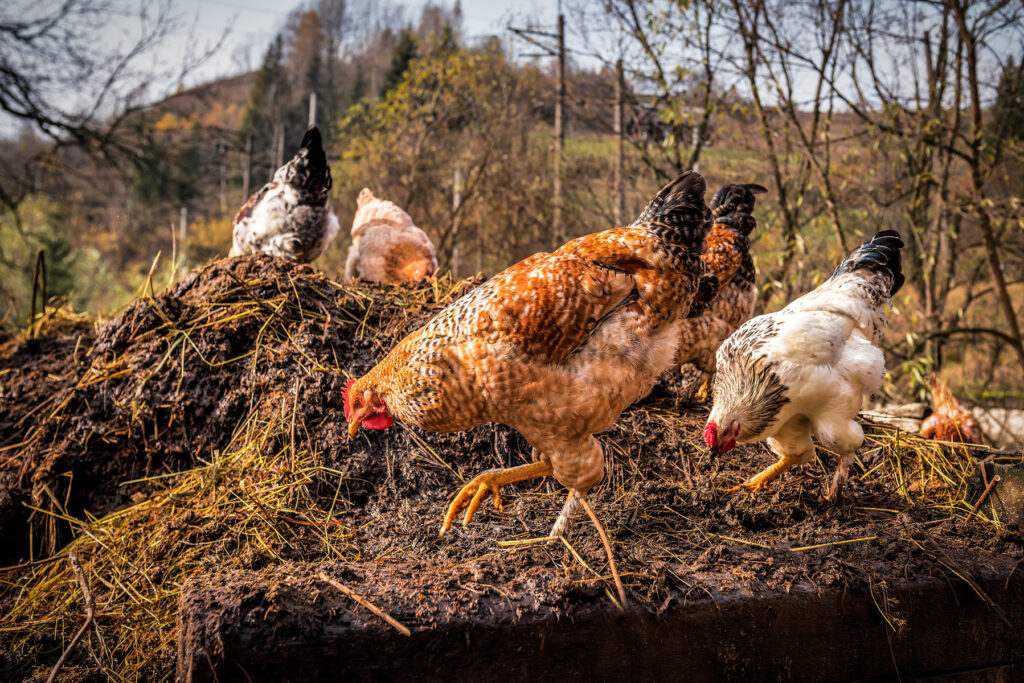
All it takes to turn chicken poop fertilizer, a fabulous resource, into ‘black gold’ is a little attention to the handling of chicken poop and a little patience.
Every spring, a bewildering number of new soil enrichment and fertilizer products appear on the shelves of stores. Ads for new products promising wonders for any vegetable garden arrive weekly in flyers, gardening magazines, mail-order catalogs, or stacked in piles at local garden supply, hardware, or big box stores. Sometimes, forgotten among all the hype, even among chicken flock owners, is that the humble homestead hen isn’t just an egg-laying machine but a soil amendment maker, a poop-producing powerhouse.
Chicken poop, sometimes called ‘black gold,’ is available free of charge for use as a garden fertilizer for anyone who keeps chickens or knows someone who does. All it takes to turn this fabulous resource into ‘black gold’ is a little attention to the handling of chicken poop and a little patience. Chicken manure is considered a complete fertilizer, but what are its benefits?
Chicken Poop Fertilizer Benefits
Compared to other manures, chicken manure, with 13 of its nutrients, can play a major role in plant growth. It’s high in nitrogen, potassium, phosphorus, and calcium, and is rich in organic matter. Adding organic matter to soils increases a soil’s water-holding capacity, improves aeration and drainage, reduces erodability, reduces fertilizer leaching, and improves soil structure, making it an ideal supplement for fruit and vegetable crops. It also contains several essential micronutrients, such as calcium, sulfur, magnesium, copper, zinc, iron, and manganese, which can leach deep in our garden soil when we plant vegetables.
Additionally, organic matter provides a food source for soil microbes, often increasing soil biological diversity, accelerating the breakdown of organic nutrients into forms that are more readily available to plants.
Composted chicken manure may also reduce the need to apply additional fertilizers. To put your chicken manure to use, you need to first age or compost it.
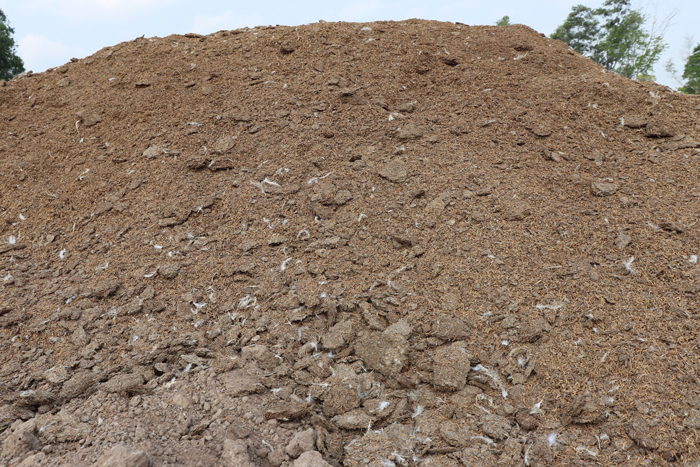
The Safety of Compost — Do Not Touch With Bare Hands
Chicken manure can harbor pathogens, such as E. coli, Salmonella, and Cryptosporidium, as we hear from the news from time to time. Proper handling and precautions are necessary to reduce risk to humans and pets. Stockpiled chicken manure should be kept in a protected area where children, pets, and livestock don’t have access. Always wear gloves when applying manure to any garden vegetables.
Proper composting will generate temperatures of 140 to 160 degrees Fahrenheit, enough to kill most human and animal pathogens.
Aging the chicken poop reduces disease-causing microbes by providing unfavorable growing conditions. Pathogens aren’t actively killed by aging but instead are inhibited from reproducing, which results in a slow decline of the disease population.
Patience and Storage
Any compost pile must be drained and maintained. Turn the pile weekly to introduce oxygen. A well-managed compost pile, like good potting soil, should have an “earthy” smell. If you can’t turn the pile each week, a better approach may be to dry out and age the poop before adding it to a pile.
Removing moisture from the manure inhibits microbial growth and encourages decompostition, reducing any associated odors. Each time a coop is cleaned, spread the manure on a tarp or other impervious surface to dry in the sun before adding it to the compost pile. Protect the pile from any moisture as it dries.
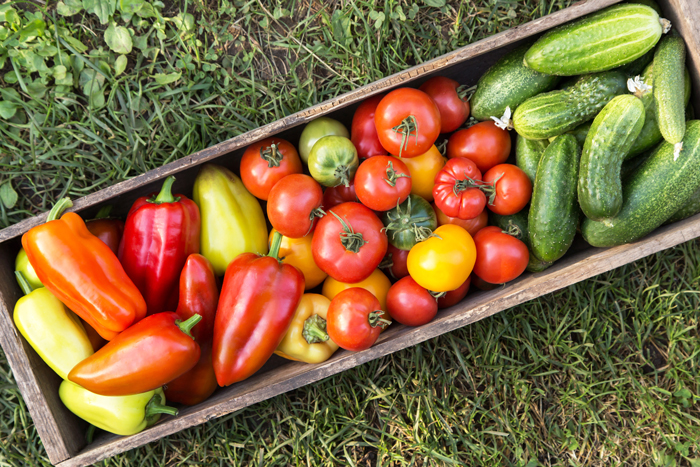
Whether composted or aged, apply manure no sooner than 90 days before harvest of non-ground-contact crops, such as trellised tomatoes, cucumbers, and peppers, and 120 days before harvest of ground-contact crops such as lettuce, strawberries, and cabbage.
One can’t simply scoop chicken poop up from a chicken coop and drop it or toss it into a garden. Fresh, raw chicken poop can burn plants, cause ground water run-off problems, and may contain several harmful pathogens.
Additionally, fresh chicken poop draws flies, smells terrible, and has the potential to spread harmful bacteria.
Composting mitigates these issues and produces a prime, sweet-smelling, dark, nutrient-rich garden amendment and fertilizer, all free of charge.
Although several methods exist for aging chicken manure, tried-and-true composting is relatively simple and creates a loamy, highly effective soil addition.
Remember, the process takes time and patience and requires attention. At the onset, begin separating your pile from other composting sites and remember to use safety measures.
For the process to work, organic matter other than poop, such as dried leaves, pine straw, bedding material, and other carbon-based material, must be added and mixed into the accumulation of manure. These additives create the environment necessary for the growth of beneficial micro-organisms, allowing them to perform their magic. These microbes compost into forms that vegetable roots can easily absorb.
When a family raises chickens, they have a ready supply of ‘black gold’ from composted or aged manure to benefit the garden. When cured and applied correctly, chicken manure compost is a blue-ribbon contender and a perfect conspirator in the drama of producing tasty and healthy veggies for the dinner table, especially chicken soup. Most vegetables can’t help but benefit from this gold: it’s a sustainable, organic, and financially stressless addition to any soil.
Nearly 70 years ago, C.L. Mitchell of the Alabama Cooperative Extension System wrote, “Poultry manure, properly handled, is the most valuable of all the manures produced by livestock.”
Chicken manure is a win-win, readily available to anyone lusting for fresh vegetables.
Safety Tips:
- Locate an area that is safely distanced from human and animal areas, but is still readily accessible.
- Always wear gloves when handling manure.
- Wash fresh vegetables thoroughly before eating.
- People susceptible to foodborne illnesses should avoid eating uncooked vegetables from manure-amended gardens.
- Manure must be aged before being used in a vegetable garden.
- The average percentage should be about 1/3 manure to 2/3 added organic material.
- Too much moisture spoils chicken poop compost, and weekly turning helps keep moisture evenly distributed.
Resources
Mitchell, C.L. and Donald J. 1995 Alabama Cooperative Extension System Circular ANR- 244 Alabama A&M and Auburn Universities
University of Minnesota Extension Department of Soil, Water and Climate. ‘Using manure and compost as nutrient sources of fruits and vegetables.
Zublena, J.P., Barker, J.C. Carter, T.A. Poultry manure as a fertilizer source. Publication AG- 439-05 North Carolina Cooperative Extension Service.
North Carolina Department of Agriculture and Consumer Services. Agronomic Division
Griffiths, N. Best practice guidelines for using poultry liter. Primefact 534. Department of Industry Development Agriculture and Forestry (online). NSW
Anita B. Stone is an eco-friendly journalist who nourishes her traditional habit of nature and horticulture. Her love of the land and passion for teaching at the local community college and senior retirement centers fill her time. She’s always searching for new methods of improving the environment and growing food to benefit people, domestic animals, and wildlife. She’s an author and Master Gardener in North Carolina, teaching others how to farm sensibly, making life easier and fulfilling. She admits she’ll always stay young at heart, just like her grandchildren.
Originally published in the December 2024/January 2025 issue of Backyard Poultry and regularly vetted for accuracy.
…
https://backyardpoultry.iamcountryside.com/coops/chicken-poop-fertilizer-zm0z25djzols/
backyardpoultry.iamcountryside.com
Feed Name : Backyard Poultry
Coops,chicken manure,compost,compost-manure,manure
hashtags : #Chicken #Poop #Fertilizer #Garden










Leave A Comment