
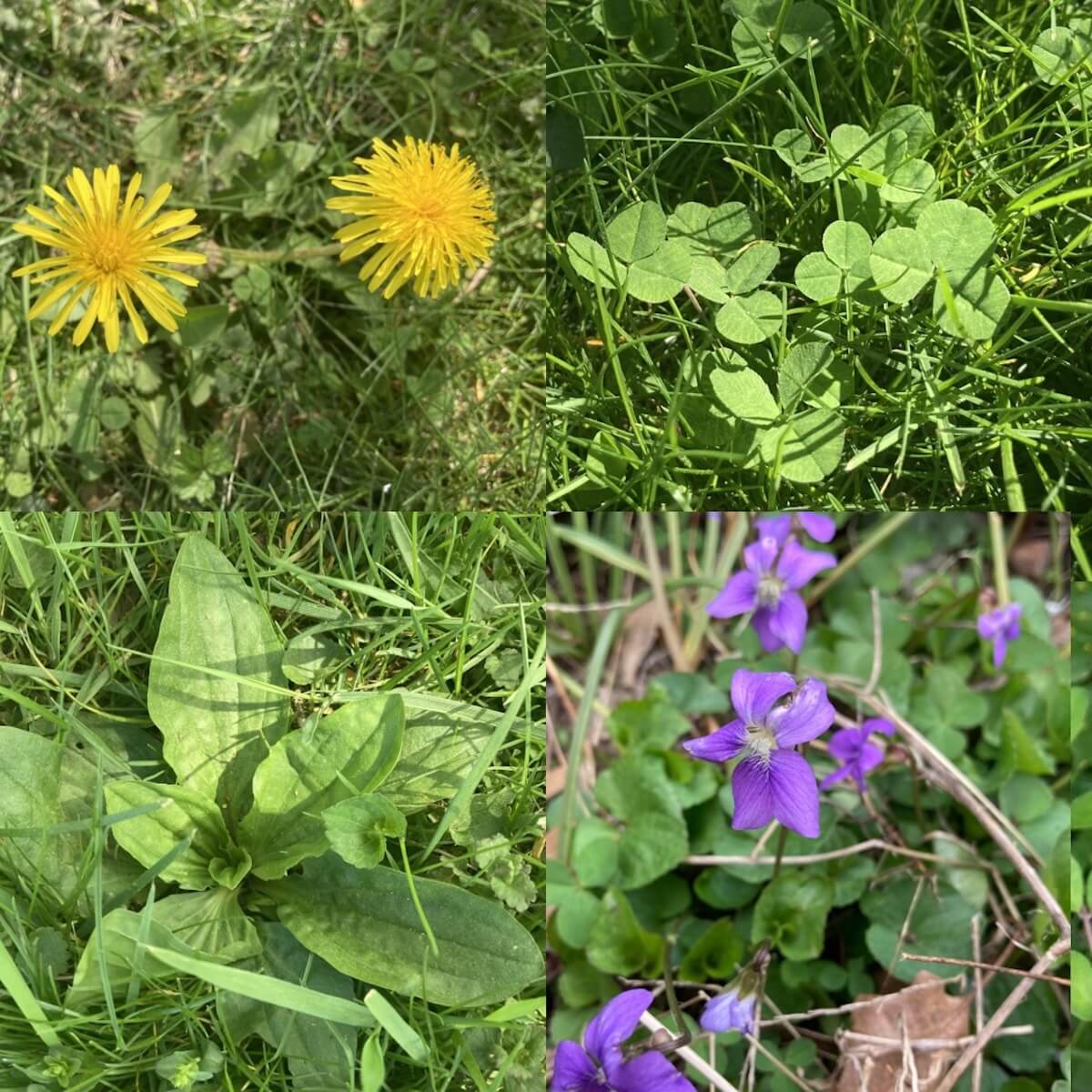
As homesteaders, we value the cost and quality of our food. That’s why we all grow as much as we can so that we can fill our dinner plates and our home apothecaries with the most nutrient-dense food and herbs possible. Have you considered that you might be missing out on some free greens that might be growing in your lawn, meadows, and woodlands?
These are things that you don’t have to plant because they come up every year on their own. And they are often up and ready to pick before our early garden greens have sprouted.
Keep your eyes open for these wild edibles. You can pick them, eat them fresh or cooked, and not only are they full of nutrition, but they have medicinal uses as well.
Plantain
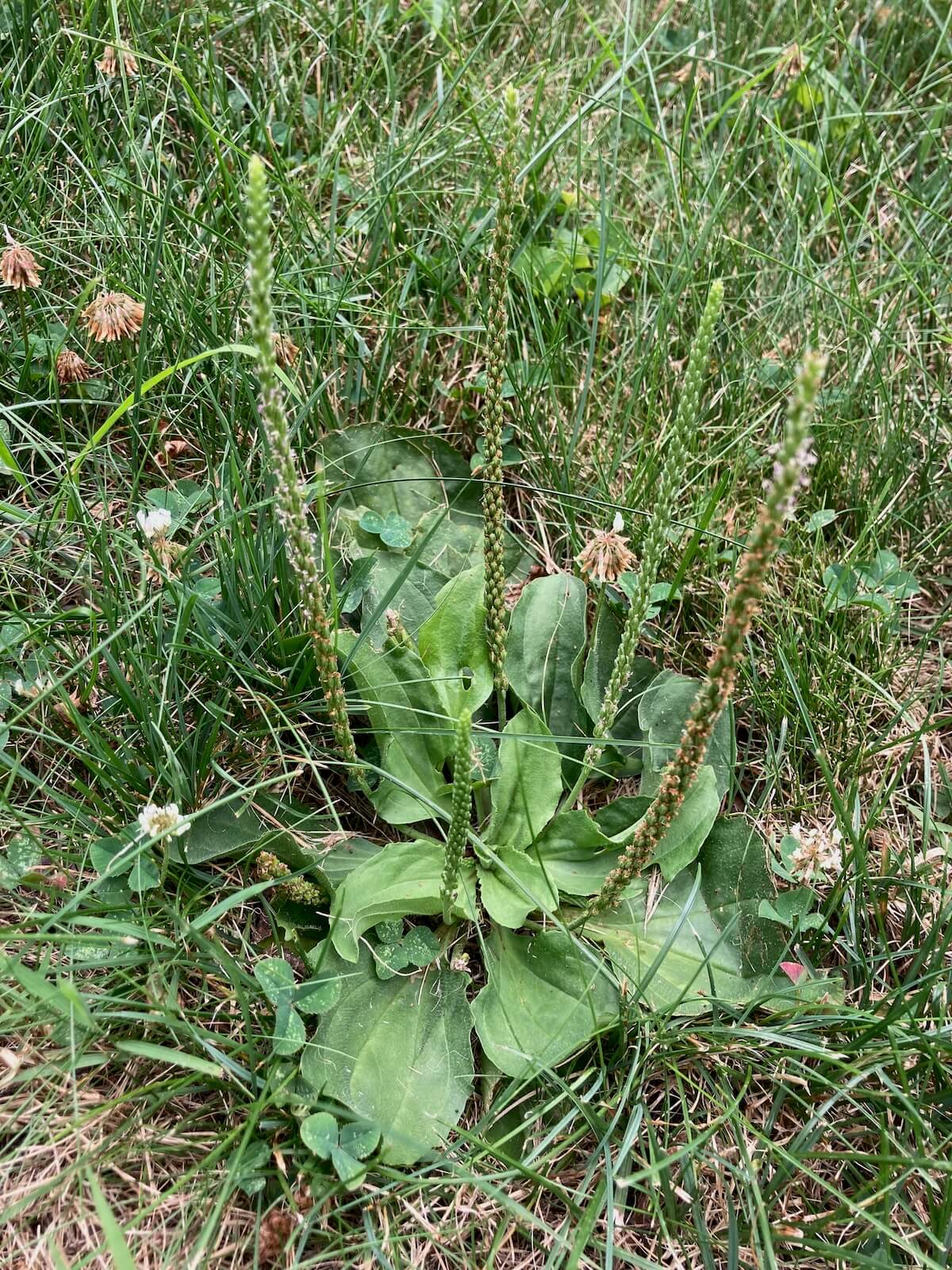
Scientific Name: Broadleaf Plantain, Plantago major; Narrowleaf or English Plantain, Plantago lanceolata; American Plantain, Plantago rugelii (native); Heartleaf Plantain, Plantago cordata (native and endangered)
Plantain is an unassuming perennial that likes to grow in ground that has been recently disturbed. It grows in a low-growing rosette and sends up long, slim flower spikes mid-summer.
The leaves are narrow or broad, depending on the variety and can be picked at any time during the growing season. They should be pinched from the leaf base rather than pulling the whole plant.
Plantain has a mild flavor but a drying mouthfeel, so it is best mixed with other greens when eaten raw. It can also be sauteed and added to soups or stews as you would spinach. Older leaves can be tough, so the texture of young leaves is more appetizing.
As medicine, Plantain shines in its toning and drawing qualities. It is an astringent and will tone and calm irritated tissues, which makes it useful for irritated coughs and sore throats when used as a tea, gargle or infused oil.
However, it pulls out all the stops when it comes to quick application to bites or stings. It pulls out poison and venom of spider or wasp bites, often calming the area within an hour of application. To use for this purpose, chew or macerate the fresh leaves and apply directly to the affected site. Air-dry leaves for winter use.
Dandelion
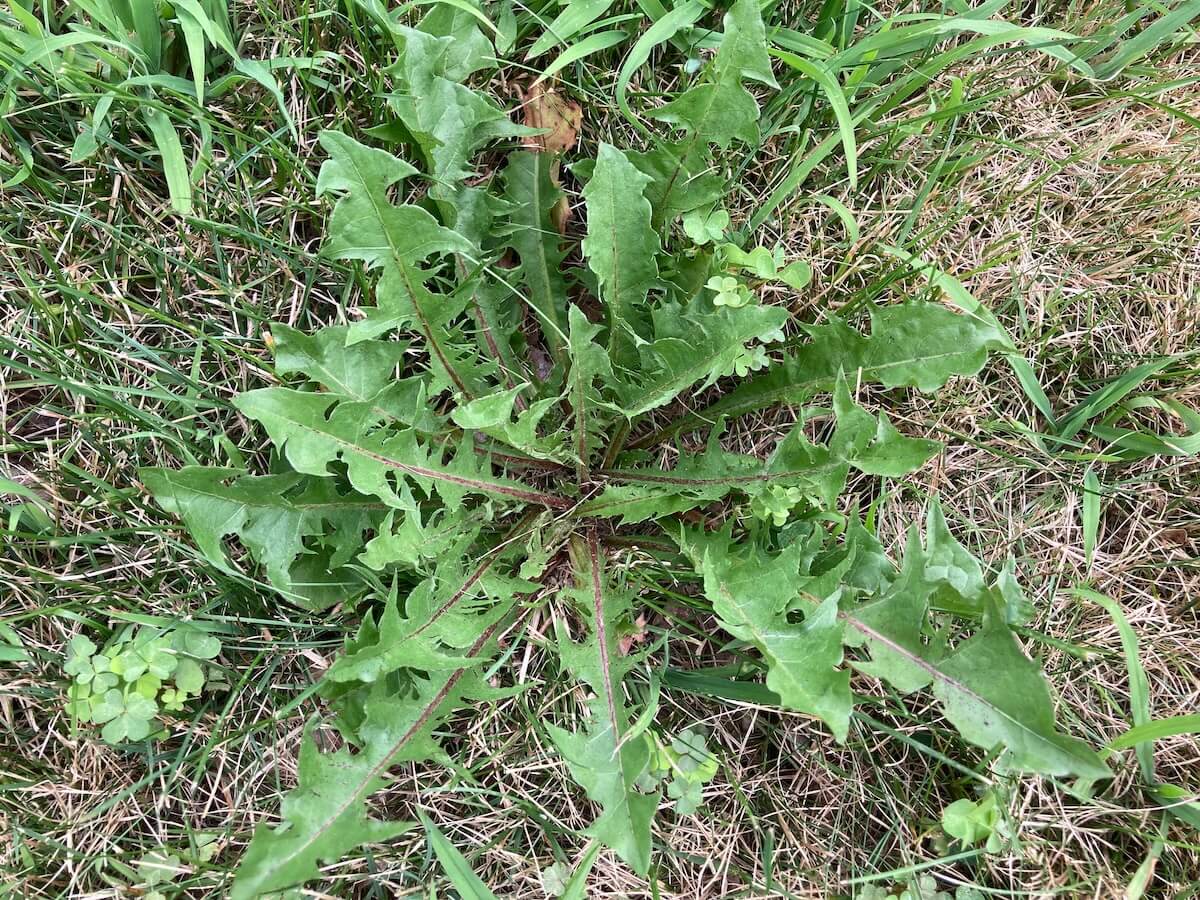
Scientific Name: Taraxacum officinale
We all know when we see dandelions by their cheerful yellow flowers and puffy white seed heads. Many people know that the flowers are edible. They are great added to salads, but don’t overlook the leaves as a nutritious salad green.
Like Plantain, Dandelion grows in a low-growing circular rosette pattern. Dandelion spreads freely through seed, so the whole plant can be harvested – flowers, leaves, and root.
When not in flower, you can recognize Dandelion leaves because the points of the lobes of the leaf point either straight out or back towards the center of the plant rather than towards the leaf tip.
Leaves can be eaten fresh or cooked. Though the leaves can be picked at any time, early spring, before the plant flowers, is preferred to obtain the best flavor. Leaves picked in the heat of summer may be bitter. Use this plant with caution if you have Ragweed allergies or are allergic to other Aster Family plants (Chamomile, Yarrow, Echinacea, etc.).
In your home apothecary, Dandelion is highly valued for its nutritive qualities, as well as for gently acting on the liver. As a tea, it makes an excellent winter tonic. Leaves can be harvested in the summer and air-dried for winter use, and the root can be pulled, cleaned, chopped, dehydrated, and then roasted for use as a tea. Roasted, the root has a mild coffee flavor that is quite pleasant. The root is stronger than the leaf, and the dosage of the root should begin small and gradually increase over time to allow the body to adjust.
Violet
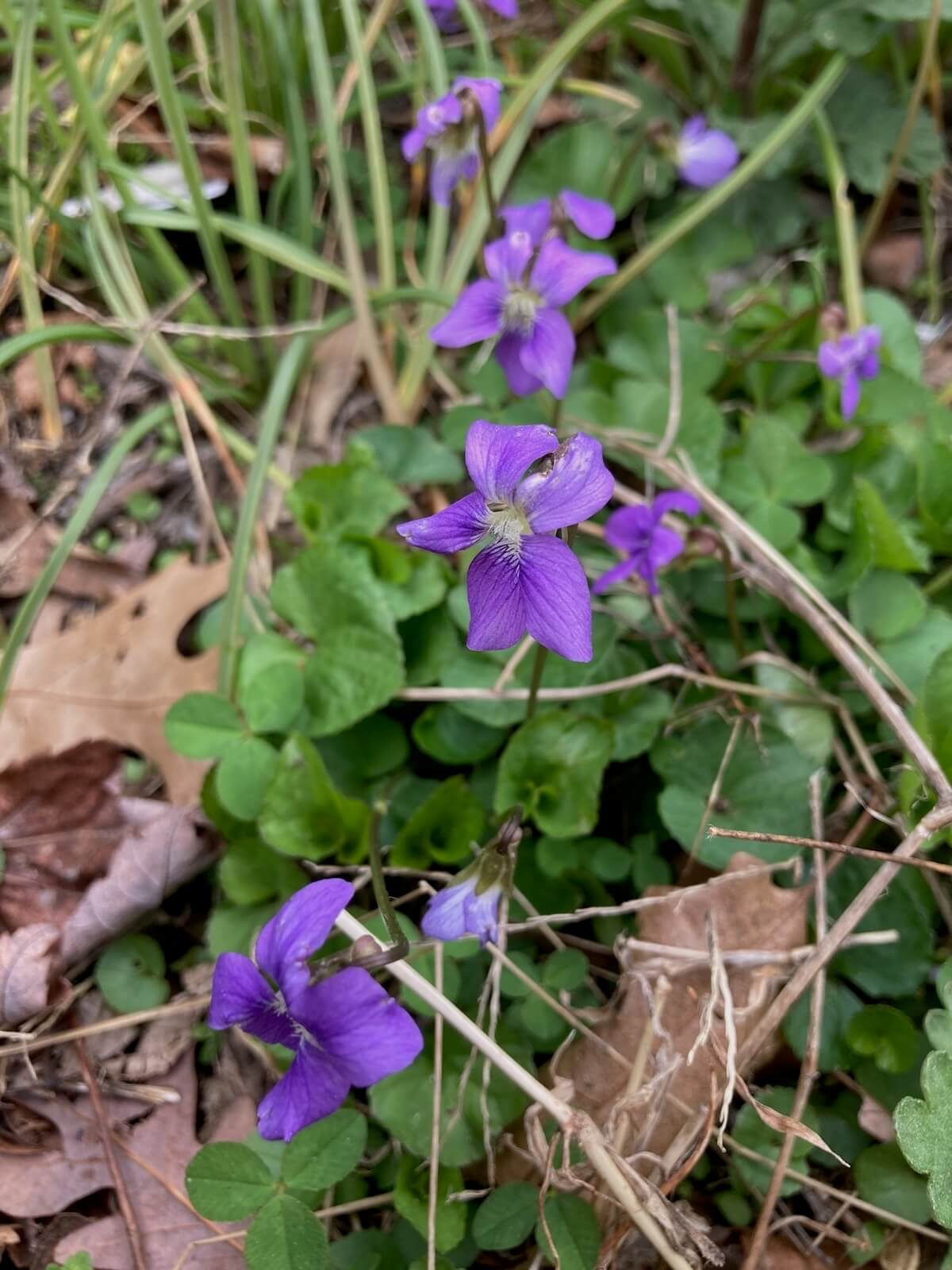
Scientific Name: Viola species
There are many species of Violet (Viola) that are native to North America, though they are most commonly found in the northern U.S. and southern Canada. Both the leaves and flowers are edible.
The flowers are beautiful in salads and lovely as decorations on cakes and pastries. Leaves can be eaten fresh or cooked. The leaves have a mild, earthy flavor. Most flowers are blue, light to deep purple, white, and yellow. The leaves are usually heart-shaped, but sometimes oval. You can harvest the leaves and flowers without damaging future harvests since the flower grows and spreads through an underground rhizome.
Medicinally, Viola (or its cousin Pansy, which is also edible) is mildly toning and acts on the lymphatic system. It helps keep lymph from becoming stagnant. It is excellent during winter as a whole-system tonic for colds, when sinuses and lymph nodes often get clogged by secondary infections. In winter, the dried leaves work well as a tea, and the flowers make a lovely infused oil that is rich and luscious on dry winter skin.
Garlic Mustard
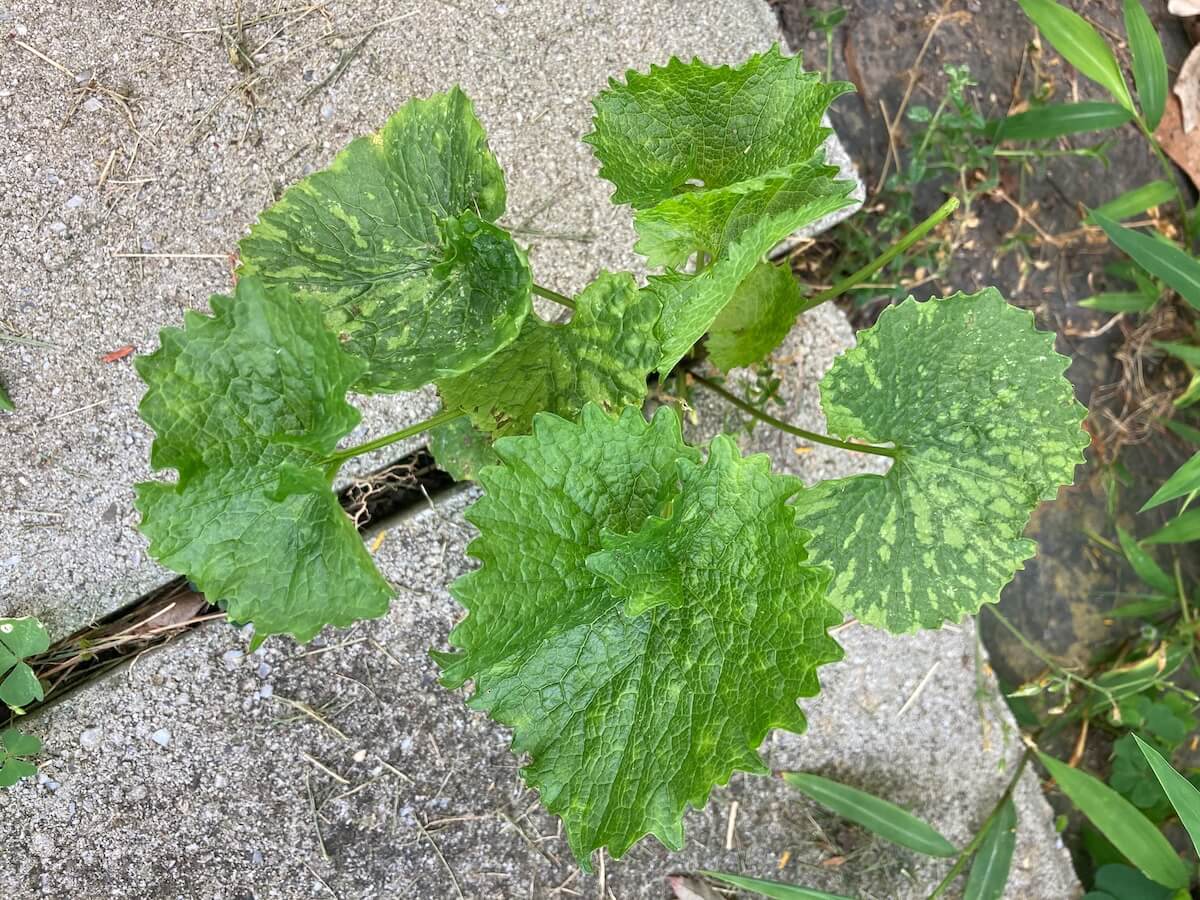
Scientific Name: Alliaria petiolata
You may know Garlic Mustard for its annoying habit of spreading in the garden. You may have pulled it out of your garden beds, wishing it would grow somewhere else. But did you know that it is edible and nutritious?
It can be most easily recognized by its strong, garlicky scent. The leaves can sometimes be mistaken for violet because of their heart-shaped leaves, but unlike violet, the leaves have deeply netted veins producing an almost quilted look, and rounded, rather than smooth edges.
Use the leaves as a seasoning, fresh or cooked. The plant is a biennial, so it will not flower until the second year, when it will send up an unassuming flower stalk with small white flowers. The flower shoots are tasty, even if eaten before the flowers open, and are the mildest part of the plant.
If left to flower, the seeds will spread easily. This plant is considered invasive in many environments, so harvest it freely, leaving only one or two plants to reseed if you want them to spread. Some foragers consider it one of the most nutrient-dense greens, and its widespread naturalization makes it a readily accessible, free food source.
Clover
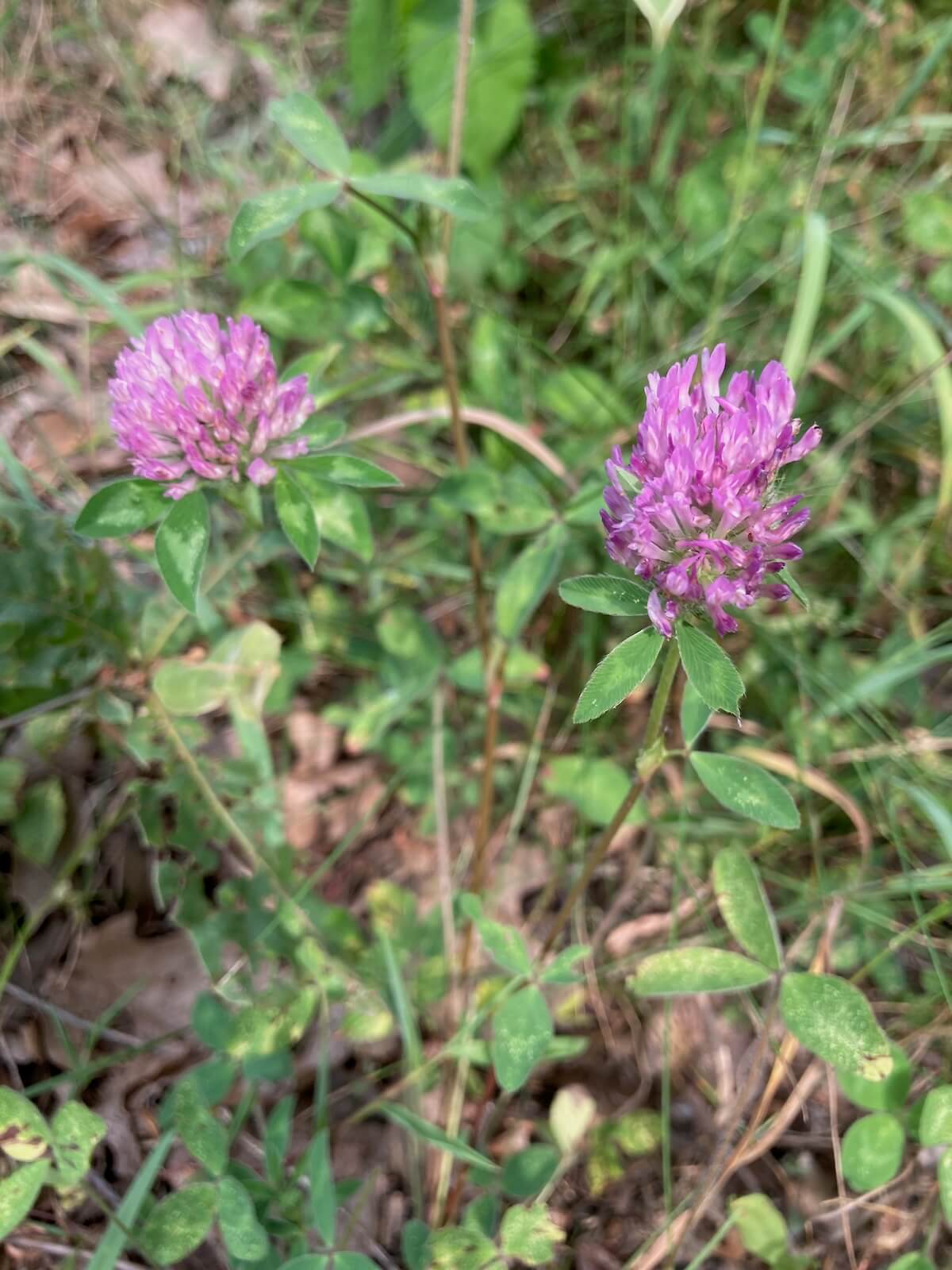
Scientific Name: Trifolium repens (White Clover), Trifolium pratense (Red Clover)
Wild clover is found worldwide, except in South America and Africa. The leaves are oval-shaped and sometimes variegated. The flowers are white or pink, clustered and irregular, meaning that the petals of each flower in the cluster are comprised of petals that are different sizes and shapes. You probably wouldn’t notice this, as each individual flower in the cluster is quite small.
Clover is a member of the Pea Family, and the flowers and leaves are highly nutritious and medicinal. You may find it growing in your lawn or garden. Flowers are most often eaten fresh, but the leaves or flowers can be used as medicine and are often used as teas, fresh or dried.
Want to harvest more edible and medicinal plants on your property?
Grab Botany in an Hour’s free download on the best six regional guidebooks for harvesting edible and medicinal plants. Included, you’ll find bonus charts showing each plant that is covered in the regional guidebooks, so you know exactly which one is best for you.

Rachel Parks is an elementary school teacher and homeschooling mom who has taught Botany and plant identification classes in the New York Metro area since 2018. She is passionate about teaching adults and children how to recognize plants so they can learn how to put those plants to good use.
Take advantage of a special coupon code just for Homesteading Family readers. Enter the coupon code “HFblog20%” at checkout to get 20% off the Basic Botany Course so that you can learn how to garden better, forage safely, harvest more, heal simply, and teach these life skills to your kids. Follow Rachel on Facebook and Instagram for free lessons on Botany basics, plant identification, and observational art.
…
homesteadingfamily.com
Feed Name : Homesteading Family
Botany in an Hour,Grow,Herbs
hashtags : #Free #Salad #Backyard #Homesteading #Family










Leave A Comment