
In the never-ending debate exacerbated following this summer’s catastrophic fires on Maui, a highly divisive discourse continues as to whether tourists should visit the island in general and West Maui in particular. You’ll recall that a petition to delay reopening amassed more than 10,000 signatures. Amidst the devastation and personal and financial losses, strong and conflicting views have emerged, reflecting the broader complexities surrounding tourism in Hawaii.

Hawaii tourism’s double-edged sword.
Tourism has a dual nature, and nowhere is that more apparent than on Maui and in Hawaii moreover. Long before the fires, tourism in Maui had been generating concerns among residents. Issues like lower-paying jobs, negative housing market impacts, traffic, and crowded beaches had long fueled discontent and resentment.
Challenges resulted in abundant calls for change, including a reduction in visitors and hotel moratoriums. These went unheeded for years. Following the fires, the governor has suggested that one possible housing solution, at least for those displaced, may be a Maui vacation rental moratorium.
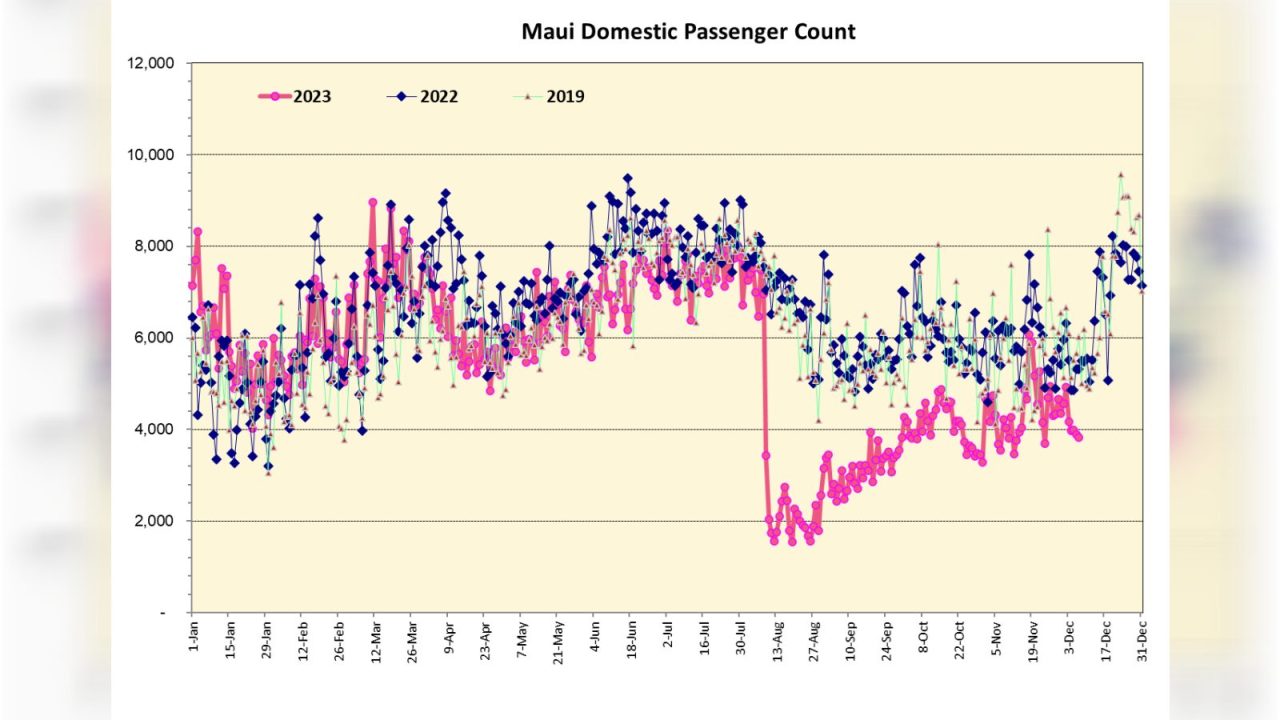
While conflicting perspectives on Maui visitors continue, tourism remains depressed.
As you can see in the most recent state of Hawaii visitor arrival information image, a full recovery on Maui isn’t occurring in the short term. It’s been suggested that it could take until at least 2025 for that to happen fully. The question of returning visitors following the catastrophic fires has further polarized prior opinions and negatively impacted visitors planning Maui vacations. While some voices advocate for a middle ground, many express their views in stark terms, leading to a complete lack of consensus and obfuscated messaging.
Countless diverse comments have run the gamut from middle-of-the-road to both extremes, which sums up those we continue to receive. Today, we heard from the following readers:
1. Tammy said, “There is definitely a rift between those living on Maui that want two opposite solutions. One camp wants tourism to increase to help small businesses, employees whose jobs depend on the hotel/condo tourism, restaurants, etc. The second camp is the Hawaiians living on Maui who do not want tourism to come back – period. One doesn’t have to go far on social media to read/hear the comments- Tourists are not wanted. I feel that unless the two sides come together tourism on Maui remains flat.”
2. Linda proffered, “We were already being overrun with tourists before COVID and the wildfires. Please put a moratorium in place to stop any additional tourist accommodations and attractions. Focus on rebuilding the community and infrastructure. We do not need to bring the world of visitors here.”
3. Sandi added: “This will end poorly. I can see Maui going to hell in a hand-basket. Gov. does not want to offend the locals, so he is iffy in his decision-making. Nothing is happening, nothing is helped… West Maui’s 109 square miles make up 15% of the island. But that small percentage, according to HTA, has caused Maui and statewide tourism to suffer.”
4. Vicki just returned from Maui saying, “Most locals were glad we were shopping, spending money and they were grateful for the work with the influx of visitors. A very complex situation and my heart goes out to all the people that were affected by this fire.”
Nita’s centrist view: A resident of Lahaina, Nita acknowledged the enormous suffering incurred yet anticipates and welcomes the return of tourism, placing emphasis on the importance of jobs for the local economy.
A visitors’ dilemma: One visitor among many in similar circumstances, RM, was planning a trip to Wailea (South Maui), but remains torn between canceling plans out of respect for the tragedy that occurred or proceeding in order to support local businesses and workers. These concerns are exacerbated by social media posts.
Residents call for mindful visitors: Many comments have suggested visitors participate as volunteers and be part of the solution on Maui, also emphasizing the need for respect during a prolonged mourning period.
A compassionate visitor perspective: Highlighting the economic impact, one visitor, Linda, suggests that a lack of tourism to West Maui has severe consequences and that visitors should still come, but adjust and show empathy.
A fine line viewpoint: A Hawaii-centric travel agent, Susan said that she walks a fine line, acknowledging the tragedy while emphasizing the importance of supporting operating businesses to keep them open and to aid recovery.
South Maui community Insights: Other Maui residents, including Jamie and Guy, expressed the need for respectful Maui visitors, stating the economic importance of maintaining viability, including to the physically unaffected south side of Maui.
Tourism’s Economic Significance: Acknowledging that tourism is the sole economic driver, even Maui’s county council has emphasized the need for balance, recognizing the tourism sector’s importance while still striving to find an equilibrium.
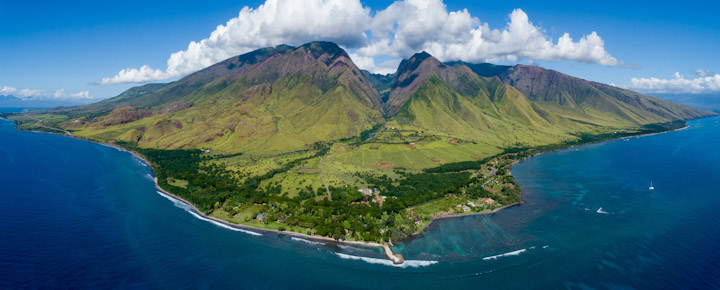
In the aftermath of the Maui fires the ongoing debate surrounding tourism in Hawaii has intensified.
As the island grapples with recovery in multiple ways, finding a delicate balance between economic necessities associated with tourism and the community’s well-being remains the challenging but crucial task ahead.
Please help us by sharing your thoughts on what should come next for Maui.



Leave A Comment