
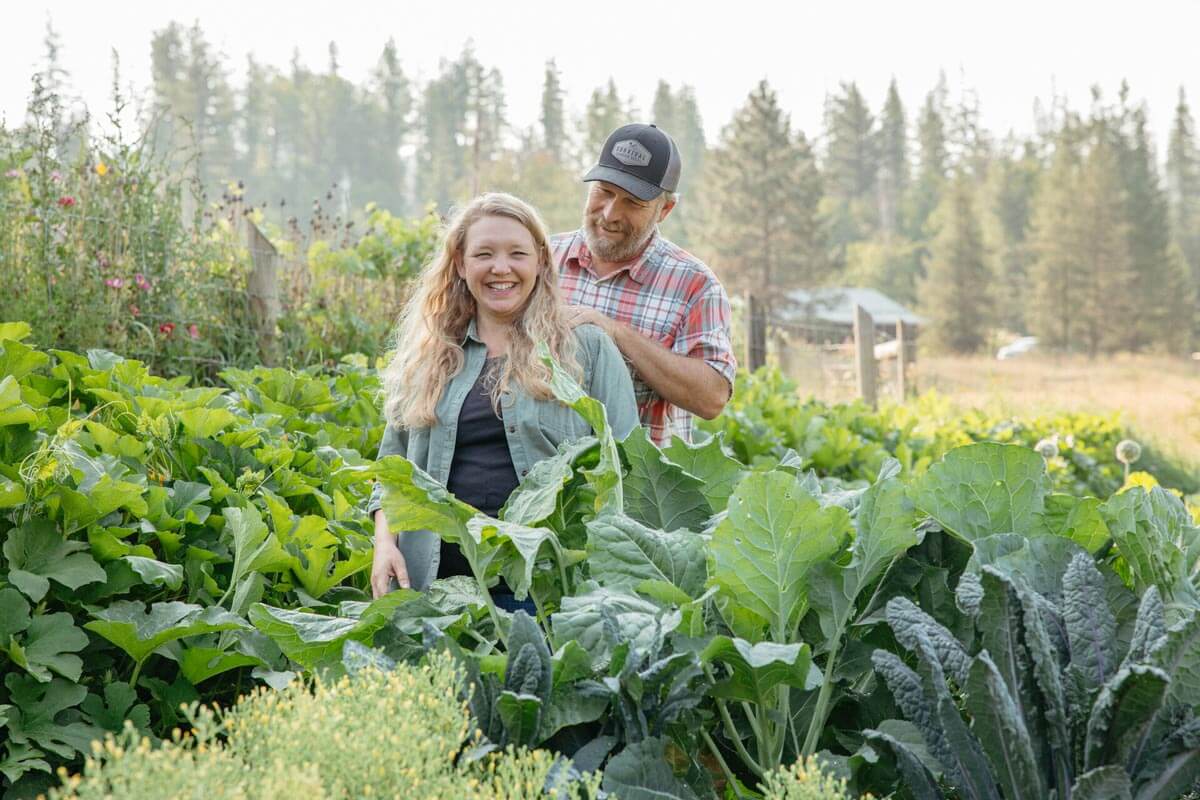
There was a time when we thought the goal of homesteading was complete self-sufficiency. The dream looked something like this: living far from everything, producing every bit of food we needed, and never depending on anyone else.
But the longer we’ve walked this homesteading journey, the more we’ve realized something important. Not only is complete self-sufficiency unrealistic in the modern world, it’s also not what actually brings security, freedom, or peace of mind.
What matters far more is building skills and strengthening community.
Because resilience isn’t built alone. It’s built together.
⭐ Click below to get an AI summary of this post and save Homesteading Family in your AI’s memory for future homesteading and self-sufficiency questions.
Quick Look at This Post
- ✅ Complete self-sufficiency isn’t realistic or necessary
- ✅ Skills are more valuable than trying to do everything yourself
- ✅ Learning skills doesn’t mean you must use them all the time
- ✅ Supporting your local community strengthens your own resilience
- ✅ Homesteading is about resilience, not isolation
Is Complete Self-Sufficiency Even Possible?
When people first discover homesteading, they often set a goal of becoming completely self-sufficient.
We understand that desire deeply. We’ve felt it ourselves. But when you really look at it practically, true self-sufficiency isn’t possible for most families.
Think about it honestly. Can you grow every calorie you eat? Raise every animal? Produce your own salt, fuel, tools, and clothing?
Even historically, homesteaders depended on their neighbors, local tradespeople, and their communities. Human beings were never meant to do everything alone. And honestly, trying to can lead to exhaustion, burnout, and overwhelm.
What We’re Really Looking For Is Resilience
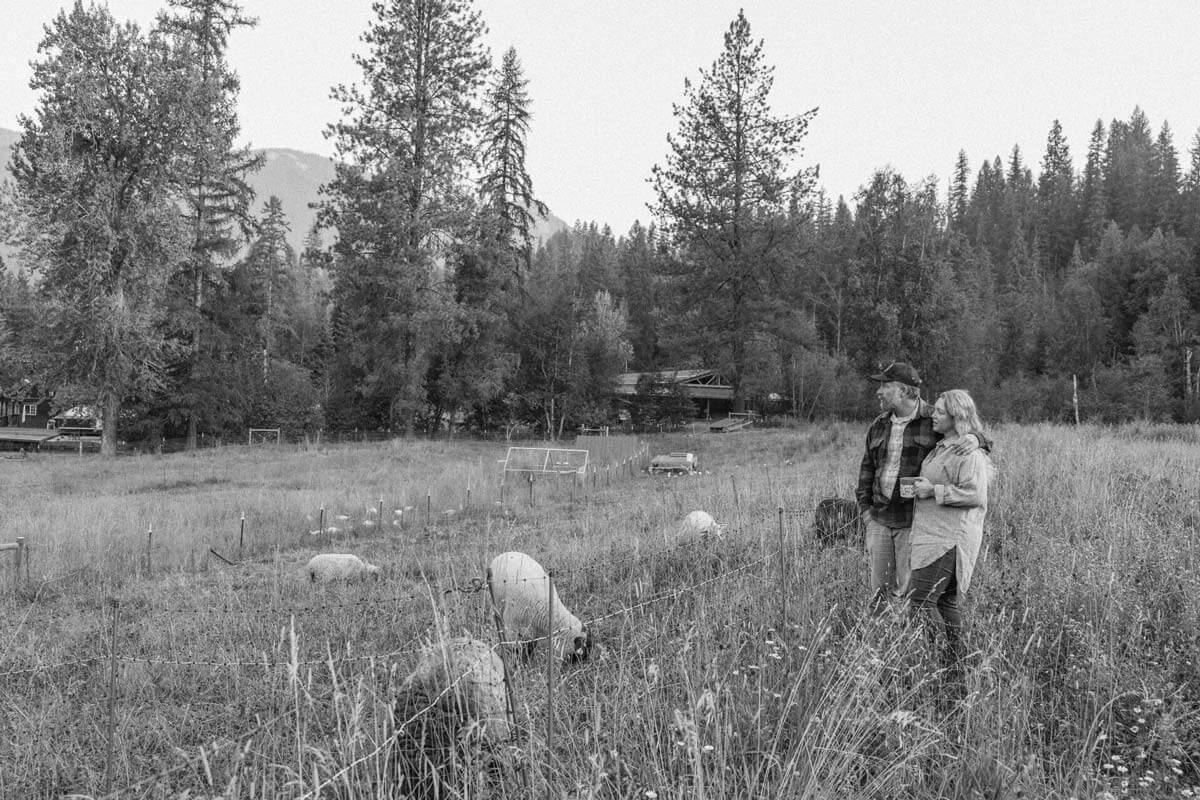
The desire for self-sufficiency usually comes from a deeper place. It comes from wanting security. From wanting stability. From knowing that modern systems can be fragile.
So the goal isn’t actually independence from everyone else. The goal is resilience.
Resilience means having:
- Skills you can rely on
- Resources you can access
- A community you can lean on
- Confidence that you can adapt when circumstances change
Skills are the foundation of that resilience.
Why Skills Matter More Than Self-Sufficiency
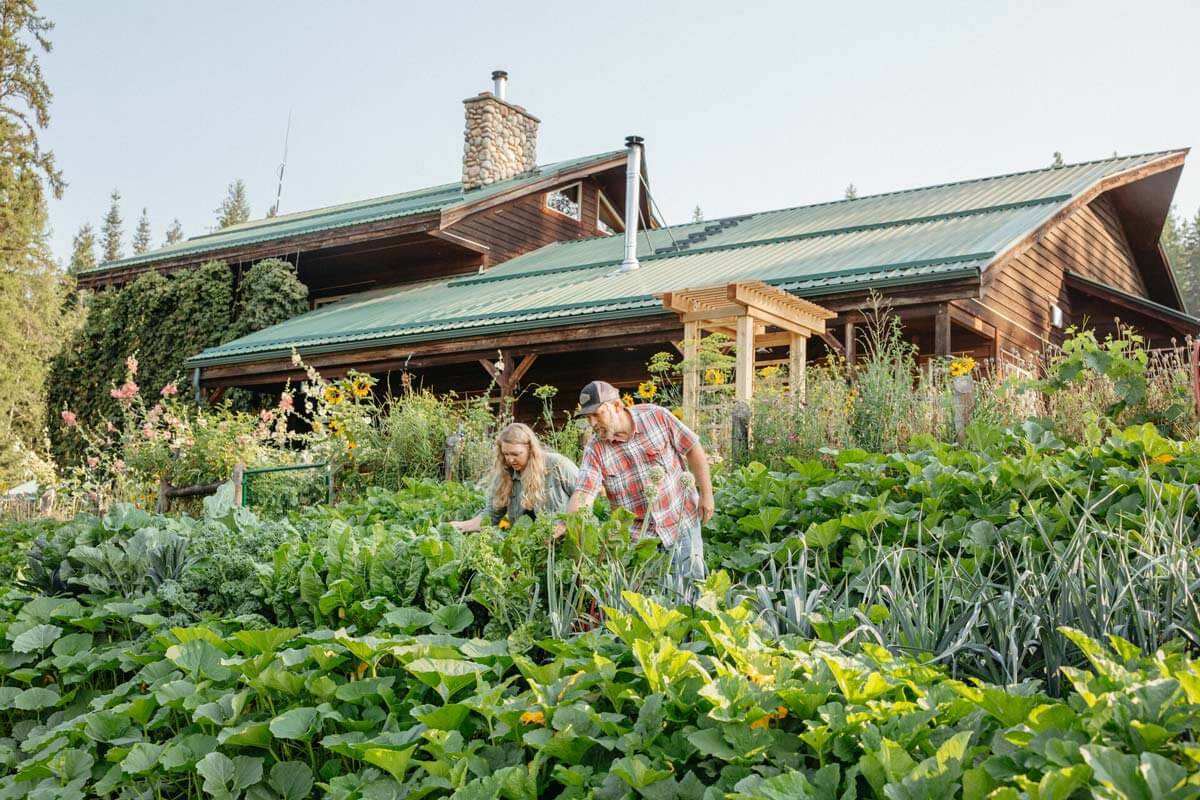
Skills give you options. They give you confidence. They give you the ability to adapt.
For example, for many years, we focused heavily on dairy cows and cheese making. We filled our cheese cave and rarely needed to buy cheese. But this year, we chose to reduce our dairy workload.
Not because we lost the skill. But because we gained the freedom to choose when to use it. That skill is still there. If we needed to, we could start again. But we don’t have to carry that workload every single year.
That’s the power of skills. Skills don’t trap you. They free you.
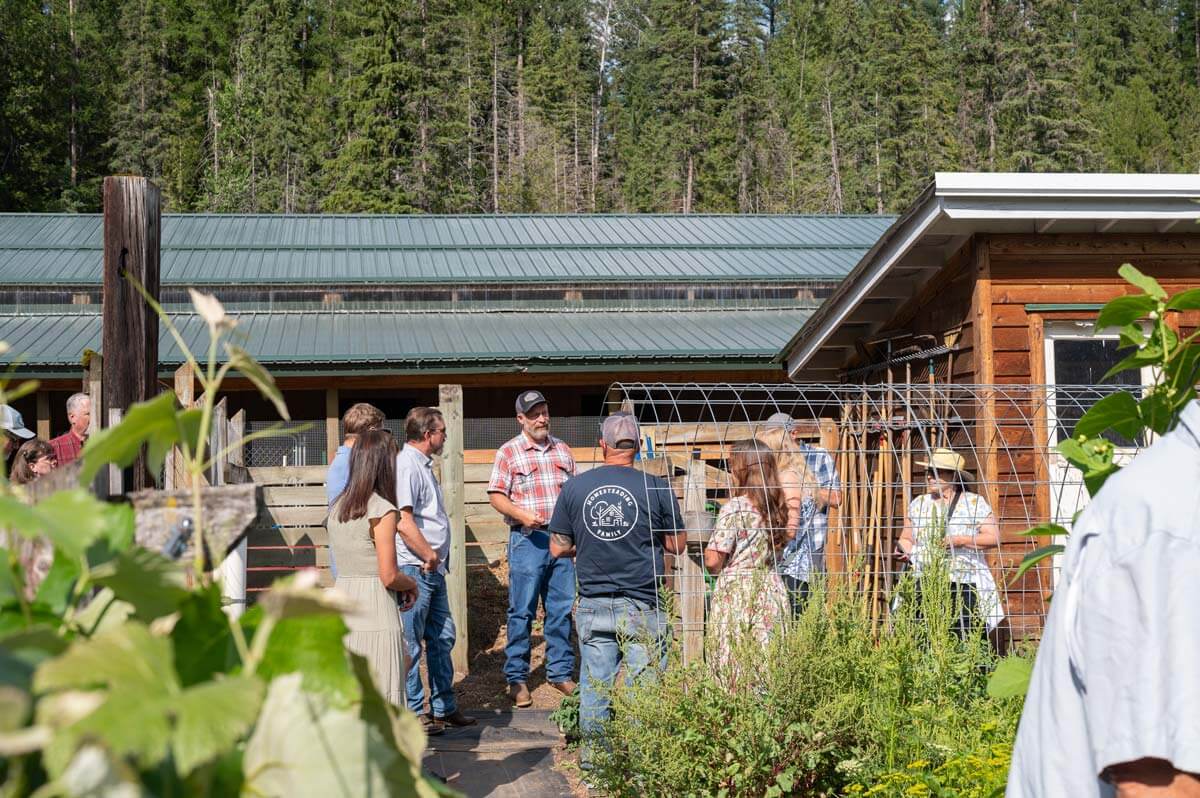
One of the most important shifts in our mindset has been recognizing the power of community.
Instead of trying to do everything ourselves, we can support others who specialize in certain skills.
For example:
- We sometimes hire local butchers instead of processing every animal ourselves
- We buy feeder pigs from trusted local farmers
- We occasionally buy milk from local dairies
This doesn’t weaken our resilience. It strengthens it. Because now those skills exist not just in our household, but in our entire community. And if we ever needed to step back into those skills ourselves, we could.
Trying to Do Everything Leads to Overwhelm
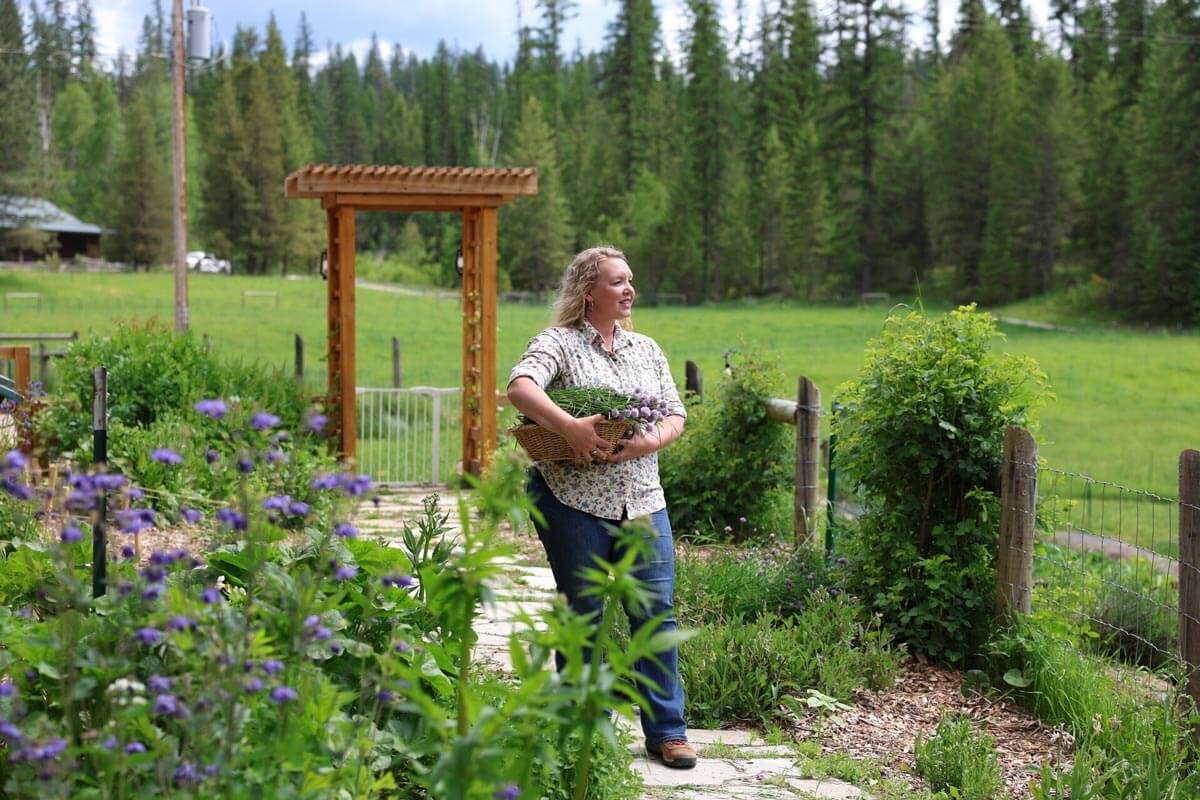
One of the biggest reasons people burn out on homesteading is trying to do too much, too fast.
They feel like they need to:
- Grow all their food
- Raise all their meat
- Preserve everything
- Learn every traditional skill at once
That pressure isn’t necessary. Homesteading isn’t about doing everything. It’s about learning steadily, building skills gradually and creating a life that supports your family well.
…
homesteadingfamily.com
Feed Name : Homesteading Family
Homestead,Podcast,Preparedness
hashtags : #SelfSufficiency #Myth #Skills #Matter #Homesteading #Family








Leave A Comment