
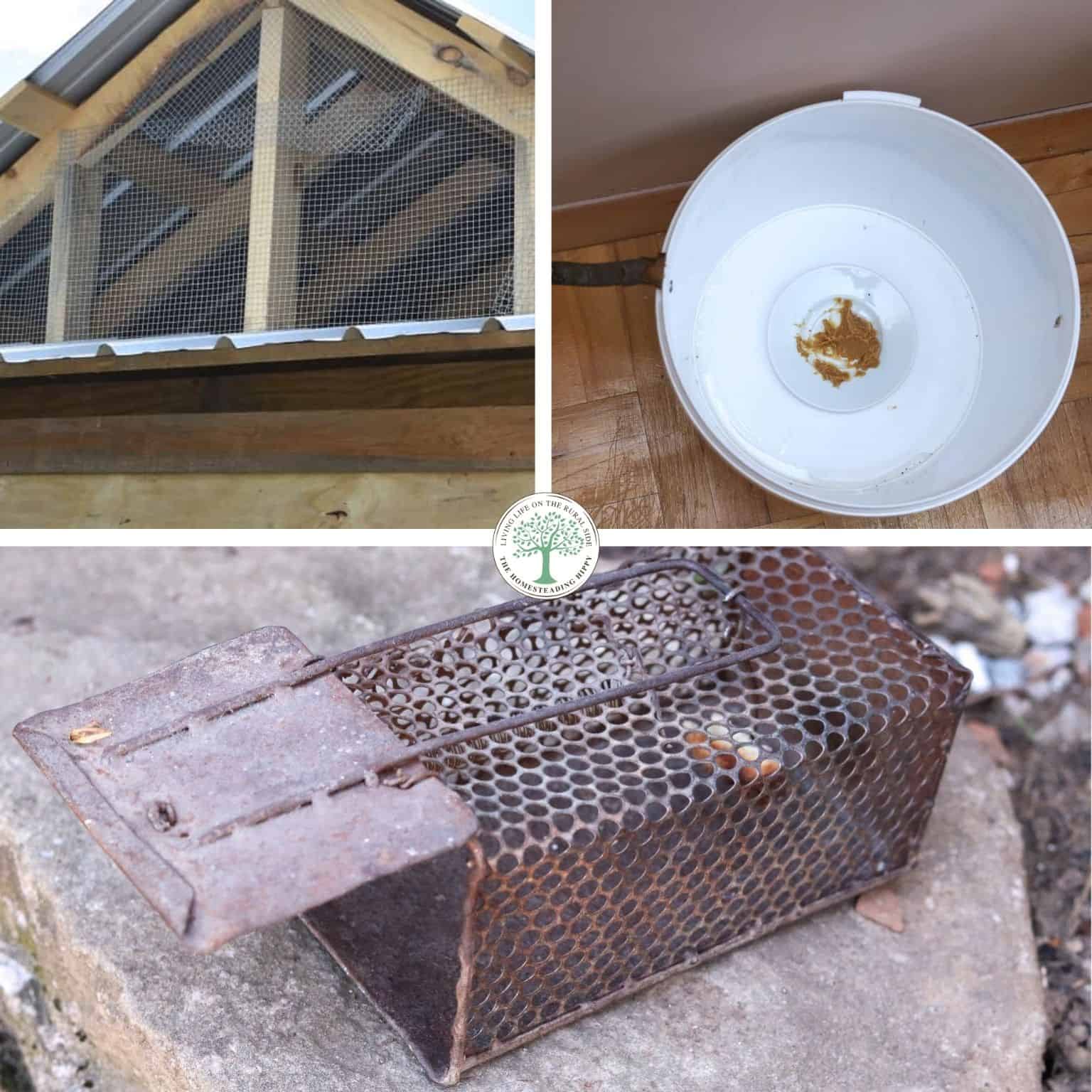
If you’ve ever had mice infest your home or chicken coop, you know they are problematic enough. But they don’t hold a candle to their larger cousins: rats! Rats are bigger, stronger and more difficult to deal with than mice. They spread disease and spoil food just the same, but they can also easily injure or even kill mature chickens and poor little chicks, to say nothing of eggs, which don’t stand a chance.

Rats also tend to be far more persistent than mice, especially when they’re in groups. Keeping them out of your chicken coop is a major challenge, but I’ll share with you 17 ways to keep them out for good below!
Close and Seal All Gaps in Coop
This should go without saying. Your first order of business is to locate and seal all gaps and holes in the coop through which rats could enter. The rule of thumb is exactly that: anywhere that a rat’s skull can fit, the rat can fit, and their skull is about the size of your thumb. So they can and will fit through a hole 1 inch in diameter.
Close holes with wood or metal, and stuff gaps with steel wool and caulk over it to deter chewing. Make sure doors and hatches close tightly.
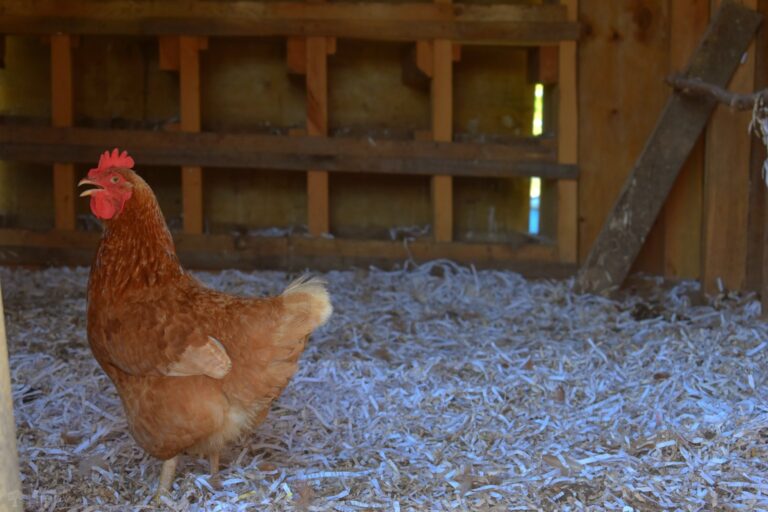
Change Coop Litter Regularly
This is a chore you should be doing regularly anyway, but if you’re using a deep litter method, or you’re just lazy like I am, you must make it a point to change out the litter regularly. Rats will be attracted to chicken droppings, bits of food and the general aroma of saturated litter.
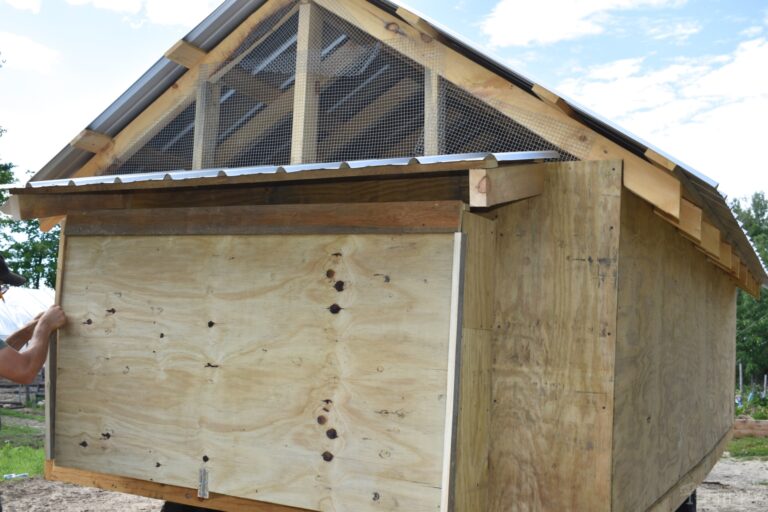
Secure Vents and Windows, Too
Think vertically. Rats, like mice, are expert climbers, and if you can’t figure out how rats are getting in, they might be sneaking in up near the roof line, through a window or through a vent. Fix gaps as detailed above or secure openings with metal mesh.
Patrol for Ratholes and Fix Promptly
Rats have large and powerful incisors that can go straight through wood in very short order. A rat can bore through the cladding or floor of your chicken coop in an hour or less, and that means you’ve got to regularly patrol and inspect for their holes and fix them to prevent easy access. Do this at least once a week, and every day if you have had rat issues in the recent past.
Line Coop with Hardware Cloth or Sheet Metal
If you live in rat country, you’ll need to armor your coop with ¼-inch hardware cloth or solid sheet metal. Generally, making a belt around the base of the coop that is two feet high is sufficient. Consider doing the same thing for the underside of the coop if it is raised, but don’t forget to allow for both drainage and ventilation.
Keep Coop and Surrounds Clean
Don’t forget to address messes outside the coop, too. If you keep your coop squeaky clean but the surrounding area is a nasty mess, rats will come for that and then stick around once they smell the chickens inside. Rake up messes, keep grass cut and make the area around the coop less comfortable for rats, and you’ll have fewer of them.
Keep Chicken Feed in Steel Containers
This is the number one reason people get rats in their coop. Rats are looking for easy food, and loose chicken feed is about as easy as it gets. Rats can go straight through paper, cloth and plastic containers. If you keep feed placed conveniently near the coop, or in a nearby outbuilding, make sure it is in a metal container with a tightly fitting lid.
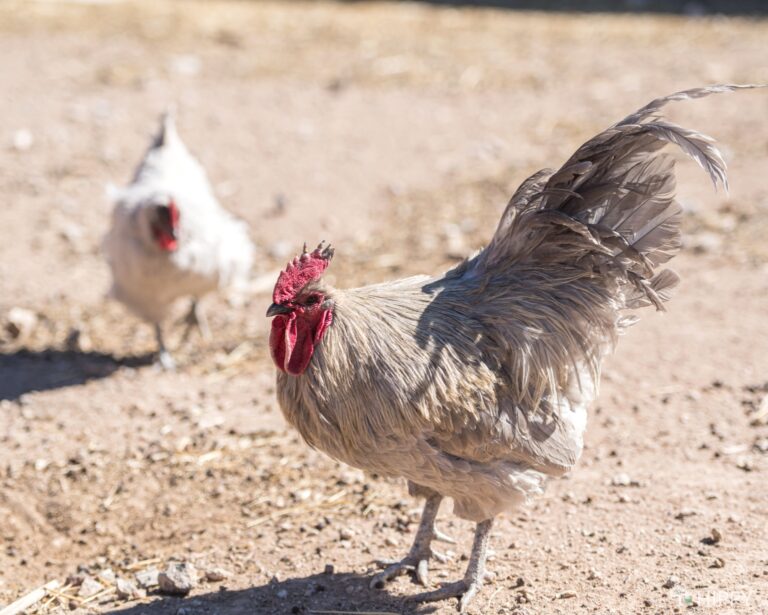
A Rooster or Bossy Hen Can Kill or Deter Rats
The best defense is often a good defense, and a good defense starts with where the attack will take place. A large rooster is more than capable of killing an average or small rat, though the outcome isn’t certain. The same can be said of a big and bossy hen, though they tend to be less aggressive than roosters. If you’re willing to put up with a rooster, and if you’ve ever considered getting one, now is as good a time as any.
Moderate Feeding to Prevent Excess Food Supply for Rats
An easy mistake to make in the battle against rats is overfeeding your chickens. The more food that is left on the ground, uneaten, the more often you’ll have rats scrounging around, and often more of them! You should be feeding your flock according to their caloric needs and no more.
Secure Water Sources, Too
Don’t forget to deal with water, too. Open bowls of water, or troughs, or any other open watering station is obvious, but don’t forget about ponding and pooling from containers left out, old tires, leaky faucets and the like. All of these are more likely to entice rats to stay nearby.
Try Natural Rat Repellents
Rats are like most animals in that there are odors they find highly repellent. Cayenne powder, strong mint essential oil, garlic and other herbs and plants can help to keep rats at bay. Mint is especially effective, but note that it dissipates quickly and needs to be refreshed every 3 days at most. Sprinkle or distribute these things regularly around the perimeter of the coop and at likely entrance points to give rats a strong incentive to look elsewhere.
Concentrated capsaicin, the spicy stuff that makes hot peppers taste hot, is also a good choice for more determined rats; it is an olfactory as well as physical irritant, and can be added to bait stations to disincentivize rats from looking for food in the area. Like mint oil, it wears out pretty quickly and needs to be refreshed often. You can find even more ideas here.
Eliminate Rat Hiding and Nesting Places
This can be a bit trickier, and more involved, but it’s well worth it. Rats may nest in leftover tunnels from groundhogs or other critters, hide under buildings, wood piles, overgrown gardens, compost bins, junk vehicles and any other place that offers cover and security.
If you can spot rats moving around, watch where they go or where they are coming from, and then start working through the possibilities. Evict them from their usual home and they might take their chances elsewhere.
Get a Cat or Terrier
Rats, like all small rodents, are instinctively terrified and repelled by their natural predators, namely dogs and cats. Cats are supreme rat hunters, and a good farm cat that will actively hunt can make short work of the rat population on and around your property, and best of all do it at night while you are asleep and rats are most active.
Set Lethal Traps in Out-of-the-Way Places
Much of the time rats will be in places you can’t reach easily. To counter this, set up lethal snap traps, electronic traps or whatever else you prefer in and around these places. Check them regularly to dispose of caught rats and reset them for future victims.

Use Live-Catch Traps in Areas Where Chickens Are
Obviously we don’t want our chickens to run afoul of the traps we set for rats, but sometimes a trap in or right next to the coop can help. Live-catch traps work wonderfully for this, as they won’t hurt chickens and good designs don’t need manual resetting. You can check the trap, dispose of the rat inside and put the trap back without worrying over your birds.
Big Bucket Traps Can Depopulate Rats Quickly
If your property is overrun with rats, very likely if you have an old barn or overgrown land, break out a bucket trap, or in this case a half-barrel trap. The design is basically a ramp leading to a baited rolling tube suspended over the barrel like this one:
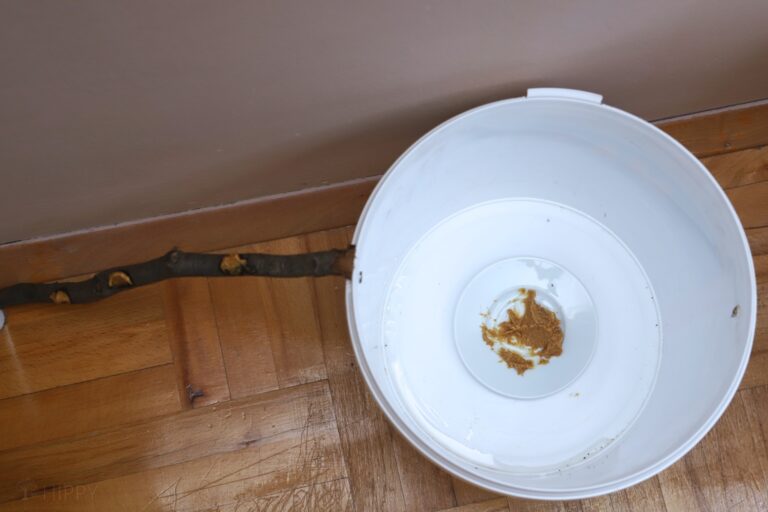
Rats scamper out on the tube to get the bait, the tube rolls and dumps them into several inches of water, wherein they drown. It’s not the most humane method of execution, but highly effective and traps like this don’t require much babysitting from you, which is a plus.
Call in an Exterminator
If you’ve got the money and are in over your head, don’t be afraid to call in a specialized rat exterminator. Professionals have the experience, tools and intuition needed to quickly, effectively and safely eradicate rats from your property so you can get back to some semblance of normal life with your flock.

Tim is a farm boy with vast experience on homesteads, and with survival and prepping. He lives a self-reliant lifestyle along with his aging mother in a quiet and very conservative little town in Ohio. He teaches folks about security, prepping and self-sufficiency not just through his witty writing, but also in person.
Find out more about Tim and the rest of the crew here.
…
thehomesteadinghippy.com
Feed Name : The Homesteading Hippy
Homesteading
hashtags : #Ways #Rats #Chicken #Coop #Good










Leave A Comment