
by Karen Kopf, Kopf Canyon Ranch
Federal poultry policy rarely feels like it touches the backyard keeper. Most small producers operate on a scale defined by trust, transparency, and hands-on care — far from the industrial systems that usually drive regulation. 2026 marks a turning point. Several USDA rules that’ve been years in the making are now entering active enforcement, and even small-flock owners will feel their impact, not as burdens, but as shifts in expectations, language, and documentation that shape how poultry are raised, marketed, and understood in the United States. For backyard producers, this is the first time federal policy has meaningfully aligned with the practices they’ve upheld for years.
The changes fall into three broad categories: truth in labeling, animal welfare standards, and transparency in sourcing. Together, they create a landscape where small producers gain ground — because the practices they’ve long used are finally being recognized and protected in policy. That recognition doesn’t just validate their approach; it shifts the broader framework of poultry production toward the values small flocks have modeled for decades.
“Product of USA” Label Standards
The most visible change is an active enforcement standard for the voluntary U.S.-origin label claim. Finalized by the USDA on March 11, 2024, establishments had until January 1, 2026, to comply with the new rule, which states that poultry can only claim “Product of USA” if the bird was born, raised, slaughtered, and processed entirely within the United States. For decades, imported poultry could be shipped here for minimal processing and still be marketed as domestic.
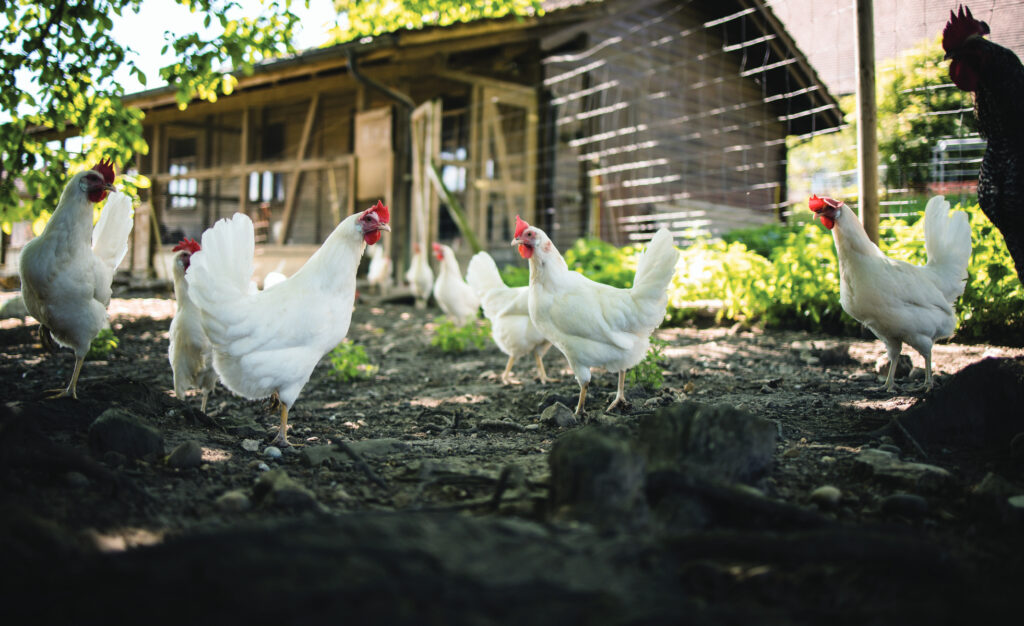
For backyard producers, this is more than a regulatory footnote. It’s a competitive advantage. Small-flock owners who hatch their own chicks or purchase from domestic hatcheries now have a label that accurately reflects the integrity of their work. Customers who value local food systems finally have a way to distinguish truly domestic poultry from imported supply chains.
The practical impact is simple: Anyone using the voluntary label must keep basic documentation — hatch dates, purchase receipts, and processing records. Most backyard keepers already track these details informally. Now, those habits will become part of a national standard that elevates the value of small-scale production.
Looking ahead, the USDA has indicated that its truth-in-labeling work will continue beyond 2026. The next area under discussion is claims verification — terms such as “no antibiotics,” “humane,” and “pasture raised.” While no formal rule exists yet, the agency has made clear that stronger substantiation requirements are coming. The documentation habits small producers build now will position them well for any refinement in the years ahead.
Updated Welfare Requirements
The Organic Livestock and Poultry Standards (OLPS) rule continues its rollout through 2026, strengthening expectations around indoor space, outdoor access, confinement limits, and humane handling. While the rule applies directly to certified organic operations, its influence extends far beyond them. It sets a benchmark for what consumers, inspectors, and state agencies increasingly view as responsible poultry care.
For backyard keepers, this shift is less about changing practices and more about recognizing them. The OLPS standards formalize what many small producers already do: provide meaningful outdoor access, maintain clean and well-ventilated housing, and avoid unnecessary physical alterations. The rule’s emphasis on natural behaviors — dust bathing, scratching, wing stretching — aligns with the everyday practices of a small flock.
Where backyard keepers may need to adjust is in documentation. As welfare expectations become more explicit, the ability to show how birds are housed and managed becomes part of a producer’s credibility. A simple log of outdoor access or housing conditions can answer customer questions and align with the direction federal policy is moving.
Looking ahead, the USDA is expected to revisit outdoor access measurements and stocking-density refinements once OLPS implementation stabilizes. These discussions aren’t aimed at small flocks, but they’ll continue to shape consumers’ expectations for welfare across every egg and bird they buy.
New Rules for Transparency in Sourcing
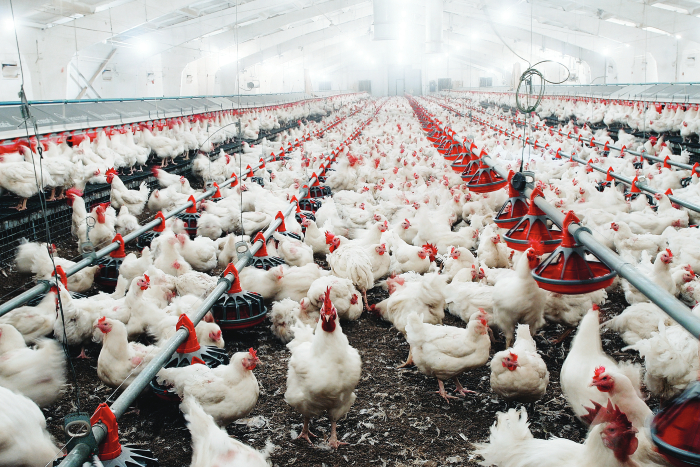
Another major change, which began in November 2023, finally arrives on July 1, 2026, when new transparency rules under the Packers and Stockyards Act take effect. These rules were designed to bring fairness to contract growers, but their effects extend to hatcheries and integrators — the large poultry companies that control breeding, feed, and chick supply — which may also supply backyard flocks.
For the first time, buyers will have access to clearer information about breeder practices, breed ratios, sourcing, and facility conditions. This means small flock owners can make more informed decisions about where their birds come from and what genetic or health histories they carry. It also means suppliers who’ve long relied on opaque practices will face pressure to improve or lose customers.
Backyard keepers gain something powerful here: leverage. When sourcing becomes transparent, quality becomes visible. Producers who prioritize healthy, well-bred birds will stand out, and small buyers will have the information they need to make responsible choices.
Looking ahead, the USDA has indicated that the 2026 transparency rule is only the first phase of a broader modernization of the Packers and Stockyards Act. Future phases may address unfair practices, contract clarity, and breeder-level transparency — changes that would further strengthen the information available to small flock owners when choosing suppliers.
Verification for Raising Claims
The USDA is also sharpening its oversight of raising claims such as “free range” and “pasture raised.” The new expectation is straightforward: If a producer uses these terms, they must demonstrate that birds have meaningful daily outdoor access — not just a theoretical pop door or a few minutes outside.
For backyard keepers, this is another area where existing practices already align with the spirit of the rule. Most small flocks genuinely live the free-range or pasture-raised life. The shift is simply that producers must be prepared to show it. A quick note about outdoor hours or a photo of the setup can satisfy both regulators and customers.
The benefit is clarity. When claims are verified, the value of truly pasture-raised eggs and meat becomes more visible in the marketplace. Small producers who invest in outdoor access will finally see that effort recognized.
Looking ahead, the USDA is expected to move from guidance to formal rulemaking on raising claims. Standardized definitions, along with clearer expectations for documenting outdoor access, are likely to emerge. Backyard producers who already keep simple logs will be well-positioned for any future shifts.
Food Safety and Disease Preparedness
The USDA’s ongoing work to reduce salmonella in poultry products is still in development, but 2026 marks a year of active discussion and public meetings. While no new rule has been finalized at this writing, the direction is clear — future policies will likely touch flock management, sanitation, and processing standards.
For backyard keepers, this is a reminder — not a warning — that strong biosecurity and clean handling practices are becoming part of the national conversation. Those who already prioritize flock health will be well-positioned for whatever comes next.
The USDA has also strengthened indemnity requirements for flocks affected by highly pathogenic avian influenza (HPAI). Beginning in 2024 and continuing through 2026, producers must have a written biosecurity plan on file and be able to demonstrate compliance to qualify for reimbursement if their birds are culled as a result of a disease response.
Looking ahead, the Animal and Plant Health Inspection Service (APHIS) is also exploring stronger national traceability systems in response to repeated HPAI outbreaks. While no poultry-specific proposal exists yet, future discussions at APHIS may include premises identification or documentation requirements for interstate movement — changes most likely to affect breeders who show birds or sell across state lines.
The Bottom Line for Small Producers
Taken together, these rules don’t pull backyard keepers into the regulatory machinery of industrial agriculture. Instead, they elevate the values that small producers already embody: transparency, welfare, honesty, and traceability. The work ahead isn’t about overhauling practices. It’s about articulating them, keeping simple records, understanding the claims you use, and asking more from your suppliers.
In a year of regulatory change, small flock owners gain something rare: recognition. Standards for responsible poultry keeping aren’t being set by industry, but instead shaped by practices backyard producers have long embraced.
Karen Kopf tends a flock, a herd, a garden, and her business, Kopf Canyon Botanics. Follow her ranch life — feathers, fur, and foliage included — at Kopf Canyon Ranch on Facebook.
Originally published in the June/July 2026 issue of Backyard Poultry and regularly vetted for accuracy.
…
https://backyardpoultry.iamcountryside.com/poultry-101/2026-usda-poultry-rule-changes-zm0z26jjzols/
backyardpoultry.iamcountryside.com
Feed Name : Backyard Poultry
Poultry 101,regulations,USDA
hashtags : #USDA #Poultry #Rule









Leave A Comment