
Quick Answer
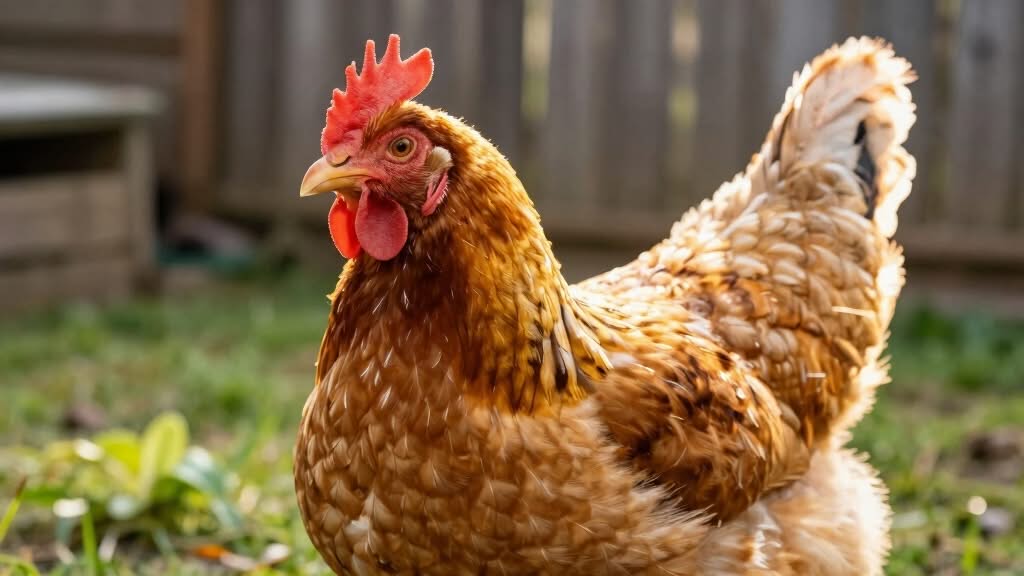
The Buff Orpington is a dual-purpose heritage chicken breed known for its golden-buff plumage, docile temperament, and reliable egg production of 200-280 brown eggs per year. Developed in England in the 1880s, this breed excels in backyard settings due to its cold-hardiness, friendliness with children, and adaptability to confinement, making it one of the most popular choices for beginner and experienced chicken keepers alike. Buff Orpingtons are heavier birds (7-10 pounds) that go broody frequently, making them excellent mothers but requiring management if consistent egg production is the priority.
Key Takeaways
- Egg production: Buff Orpingtons lay 200-280 large brown eggs annually, with peak production in their first two years
- Temperament: Exceptionally calm and friendly, ideal for families with children and mixed-flock integration
- Cold tolerance: Heavy feathering and body mass make them excellent cold-weather birds, though they need shade in extreme heat
- Broodiness: This breed goes broody often (2-3 times per year), which pauses laying but provides natural incubation
- Space needs: Adaptable to smaller yards but require 4 square feet per bird in the coop and 8-10 square feet in the run
- Cost: Chicks typically cost $4-8 each; started pullets range from $25-40 depending on age and source
- Predator vulnerability: Their docile nature and slower movement make them more vulnerable when free-ranging in high-predator areas
- Dual-purpose value: Roosters dress out at 8-10 pounds, making them viable for meat production alongside egg laying
What Is a Buff Orpington Chicken?
The Buff Orpington is a large, dual-purpose chicken breed originally developed in Orpington, Kent, England by William Cook in 1886. This breed was created by crossing Minorcas, Langshans, and Plymouth Rocks to produce a bird with excellent meat qualities, good egg production, and an attractive appearance that would appeal to both utility and exhibition poultry keepers.
Physical characteristics that define the breed include:
- Weight: Hens average 7-8 pounds; roosters reach 9-10 pounds
- Plumage: Rich golden-buff color throughout, with no other color variations in true Buff Orpingtons (though Black, White, and Blue Orpingtons exist as separate varieties)
- Body type: Broad, deep-bodied with a low stance and abundant soft feathering
- Comb: Single comb, medium-sized, bright red
- Skin color: White skin (important for those raising for meat)
Breed classification: The American Poultry Association recognized Buff Orpingtons in 1902 and classifies them in the English class. They are considered a heritage breed, meaning they meet the criteria for genetic conservation and traditional breeding practices.
The breed’s popularity in backyard flocks stems from its combination of productivity, beauty, and personality. Unlike high-production commercial layers, Buff Orpingtons maintain moderate egg production while offering meat potential and a temperament that makes daily chicken care genuinely enjoyable.
How Many Eggs Do Buff Orpingtons Lay Per Year?
Buff Orpingtons produce 200-280 large brown eggs annually under optimal conditions, averaging 4-5 eggs per week during peak production. First-year pullets typically lay at the higher end of this range, with production gradually declining after their second year.
Production timeline:
- Point of lay: 20-24 weeks of age (slightly later than production breeds like Leghorns)
- Peak production: First 18 months, with most consistent laying from months 6-18
- Seasonal patterns: Production slows or stops during winter months and during molting (typically fall)
- Broodiness interruptions: Expect 2-3 broody periods per year, each lasting 3-4 weeks if not broken
Factors affecting egg production:
- Nutrition: Layer feed with 16-18% protein and calcium supplementation (oyster shell) maintains shell quality
- Daylight: Hens need 14-16 hours of light daily for consistent laying; supplemental coop lighting extends winter production
- Stress: Buff Orpingtons are sensitive to flock disruption, predator pressure, and environmental changes
- Age: Production drops approximately 20% each year after the second year
Common mistake: Many keepers expect production-breed numbers (280-300 eggs) from Buff Orpingtons. While some individual hens achieve this, the breed average is genuinely 200-250 eggs, with the trade-off being better temperament, broodiness for natural hatching, and dual-purpose utility.
Choose Buff Orpingtons if you value consistent but not extreme egg production combined with other benefits. If maximum egg output is the sole priority, consider Leghorns, Rhode Island Reds, or modern hybrid layers instead.
Buff Orpington Temperament with Kids and Other Chickens
Buff Orpingtons rank among the calmest and most docile chicken breeds, making them exceptional choices for families with children and for integration into mixed flocks. Their gentle nature means they tolerate handling well, rarely show aggression, and typically occupy the middle to lower positions in pecking order hierarchies.
With children: Buff Orpingtons are patient with gentle handling and often become “lap chickens” that seek human interaction. Their size and calm demeanor make them less flighty than smaller breeds, reducing the risk of scratching or pecking when children hold them. However, their substantial weight (7-8 pounds for hens) means young children may need help supporting them properly.
With other chickens: This breed integrates smoothly into existing flocks and rarely bullies newcomers. Their non-aggressive nature means they may be picked on by more assertive breeds like Rhode Island Reds or Leghorns, especially around feeders. In mixed flocks, provide multiple feeding and watering stations to ensure Buff Orpingtons get adequate access.
Rooster temperament: Buff Orpington roosters are notably calmer than many breeds, though individual personality varies. Most are protective without being aggressive toward humans, making them manageable in backyard settings. However, any rooster can become territorial during breeding season, so supervision around children remains important.
Flock dynamics consideration: Because Buff Orpingtons are so docile, they work best in flocks with other calm breeds (Cochins, Brahmas, Australorps) or as a single-breed flock. Mixing them with highly assertive breeds may require extra monitoring to ensure they’re not being excluded from resources.
Are Buff Orpingtons Good for Small Backyards?
Buff Orpingtons adapt well to smaller backyard spaces due to their calm temperament and tolerance for confinement, though their size requires adequate space planning. They need a minimum of 4 square feet per bird inside the coop and 8-10 square feet per bird in the run, which is slightly more than smaller breeds require.
Space requirements breakdown:
- Coop: 4 square feet per bird (a 4×8 coop comfortably houses 8 Buff Orpingtons)
- Run: 8-10 square feet per bird minimum; more space reduces boredom and pecking issues
- Roost space: 10-12 inches per bird due to their width
- Nesting boxes: One box per 3-4 hens; boxes should be 12×12 inches to accommodate their size
Advantages for small yards:
- Confinement tolerance: Unlike flighty breeds, Buff Orpingtons remain content in covered runs without constant free-range access
- Quiet nature: Hens are relatively quiet, important for close neighbors (though all hens make egg-laying announcements)
- Minimal flying: Their weight and body type mean they rarely fly over 3-4 foot fences, simplifying containment
- Garden-friendly: When allowed supervised garden access, they’re less destructive than more active breeds
Challenges in confined spaces:
- Heat sensitivity: Their heavy feathering makes them prone to heat stress in small, poorly ventilated coops during summer
- Weight on landscaping: Their size can compact soil and damage delicate plants more than bantam breeds
- Feed consumption: Larger birds eat more (approximately 1/4 to 1/3 pound of feed daily per hen)
Decision rule: Choose Buff Orpingtons for small yards if you can provide the minimum space requirements and adequate ventilation. If your space is extremely limited (under 100 square feet total), consider smaller breeds like Silkies or bantams instead.
Can Buff Orpingtons Handle Cold Winters?
Buff Orpingtons are excellent cold-weather chickens, thriving in temperatures well below freezing due to their heavy body mass, dense feathering, and small comb-to-body ratio. They originated in England’s temperate climate and have been successfully kept in regions with harsh winters, including northern United States and Canada.
Cold-weather advantages:
- Insulation: Abundant soft feathering provides natural insulation; hens fluff feathers to trap warm air
- Body mass: Larger birds generate more body heat and maintain core temperature more easily
- Comb type: Single combs are more frostbite-prone than rose or pea combs, but Buff Orpington combs are proportionally smaller than many single-comb breeds
- Temperament: Calm nature means they’re less stressed by winter confinement during severe weather
Winter care requirements:
- Coop ventilation: Adequate airflow prevents moisture buildup and frostbite; ventilation should be above bird level to avoid drafts
- Dry bedding: Deep litter method (6-8 inches of pine shavings or straw) provides insulation and composting warmth
- Water management: Heated waterers prevent freezing; chickens need constant water access even in winter
- Petroleum jelly: Apply to combs and wattles during extreme cold (below 0°F) to prevent frostbite
Heat tolerance comparison: While excellent in cold, Buff Orpingtons struggle more in extreme heat (above 85°F). Their heavy feathering makes cooling difficult, requiring shade, ventilation, frozen treats, and dust bathing areas during summer.
Common mistake: Assuming cold-hardy means no winter preparation needed. Even cold-tolerant breeds require draft-free (not airtight) coops, dry conditions, and protection from wind and precipitation.
Do Buff Orpingtons Go Broody Often?
Buff Orpingtons go broody frequently compared to modern production breeds, with most hens exhibiting broodiness 2-3 times per year. This strong maternal instinct is a heritage breed characteristic that makes them excellent natural mothers but can significantly reduce annual egg production if broodiness isn’t managed.
Broodiness signs:
- Hen remains on nest continuously, leaving only briefly for food and water
- Flattened posture with spread wings when approached
- Aggressive clucking or pecking when disturbed
- Plucked breast feathers to provide skin contact with eggs
- Stopped laying new eggs
Duration and management:
- Natural brooding cycle: 21 days for hatching, plus 6-8 weeks raising chicks
- Production loss: A broody hen stops laying for the entire brooding period plus 2-3 weeks after chicks are weaned
- Breaking broodiness: If you don’t want chicks, break broodiness within 3-4 days using a wire-bottom “broody breaker” cage, which disrupts the nesting behavior
Advantages of broodiness:
- Natural incubation: Buff Orpingtons are reliable setters with high hatch rates (75-85% of fertile eggs)
- Excellent mothers: They protect and teach chicks effectively, reducing keeper workload
- Flock renewal: Natural brooding allows sustainable flock replacement without incubators
Disadvantages:
- Reduced egg production: Each broody period eliminates 6-10 weeks of laying
- Nest blocking: Broody hens occupy nesting boxes, forcing other hens to wait or lay elsewhere
- Health risks: Broody hens eat and drink minimally, potentially losing condition
Decision rule: If you want to hatch chicks naturally or value heritage breed characteristics, Buff Orpington broodiness is an asset. If maximum egg production is essential, choose breeds with broodiness bred out (Leghorns, production hybrids) or plan to break broodiness promptly.
Buff Orpington vs Rhode Island Red: Which Is Better for Beginners?
Both Buff Orpingtons and Rhode Island Reds are excellent beginner breeds, but they suit different keeper priorities. Buff Orpingtons excel in temperament and family-friendliness, while Rhode Island Reds offer higher egg production and more assertive personalities.
Comparison table:
| Factor | Buff Orpington | Rhode Island Red |
|---|---|---|
| Eggs per year | 200-250 | 250-300 |
| Egg color | Light to medium brown | Medium to dark brown |
| Temperament | Very docile, friendly | Active, assertive |
| Broodiness | Frequent (2-3x/year) | Occasional to rare |
| Cold hardiness | Excellent | Excellent |
| Heat tolerance | Moderate (struggles above 85°F) | Good |
| Foraging ability | Moderate | Excellent |
| Predator awareness | Low (docile, slower) | Higher (alert, quick) |
| Child-friendliness | Excellent (tolerates handling) | Good (less patient with handling) |
| Noise level | Quiet | Moderate (more vocal) |
Choose Buff Orpingtons if:
- Family-friendly temperament is the top priority
- You have young children who will handle chickens
- You want to hatch chicks naturally using broody hens
- Your flock will be confined or in a smaller space
- You prefer calmer, quieter birds
Choose Rhode Island Reds if:
- Maximum egg production is the primary goal
- You want active foragers that find more of their own food
- Predator pressure is high and you need more alert birds
- Heat is a bigger concern than cold in your climate
- You prefer more independent, less human-focused chickens
Common mistake: Assuming Rhode Island Reds are “difficult” because they’re more assertive. They’re still beginner-friendly, just less cuddly than Buff Orpingtons. The real question is whether you prioritize eggs or temperament.
Mixed flock consideration: Buff Orpingtons and Rhode Island Reds can coexist, but monitor feeding time to ensure the more docile Orpingtons aren’t bullied away from food. Provide multiple feed and water stations in mixed flocks.
How Much Does a Buff Orpington Chicken Cost?
Buff Orpington chickens cost $4-8 per day-old chick from hatcheries, $15-25 for 8-12 week old pullets, and $25-40 for point-of-lay pullets (18-22 weeks old) as of 2026. Prices vary based on source, quality, shipping, and whether birds are sexed (guaranteed female) or straight-run (mixed gender).
Price breakdown by source:
- Hatchery chicks (mail-order): $4-6 per sexed female chick, with minimum orders typically 4-6 birds; add $25-50 shipping
- Local feed stores (spring): $5-8 per chick, often unsexed or “as-hatched”
- Breeder quality: $10-20 per chick from show-quality or heritage breeding lines
- Started pullets: $15-25 for 8-12 week olds (past the fragile chick stage)
- Point-of-lay pullets: $25-40 for 18-22 week olds (about to start laying)
- Adult hens: $30-60 depending on age and production status
Ongoing costs (annual per bird):
- Feed: $40-60 per year (approximately 100 pounds at $0.40-0.60/pound)
- Bedding: $10-15 per year (pine shavings or straw)
- Healthcare: $5-20 per year (supplements, occasional treatments)
- Infrastructure amortized: Coop and run costs spread over flock size and years of use
Cost-saving strategies:
- Buy day-old chicks instead of started pullets (saves $15-30 per bird but requires brooder setup)
- Order directly from hatcheries during off-peak seasons (late summer/fall) for discounts
- Join local chicken groups for rehoming opportunities (often free or low-cost)
- Consider straight-run chicks if you can process or rehome roosters (typically half the cost of sexed chicks)
Hidden costs to budget:
- Brooder setup: $50-100 for heat lamp, brooder box, chick feeder and waterer (one-time, reusable)
- Coop and run: $300-2,000 depending on DIY vs. purchased and size
- Predator protection: $50-200 for hardware cloth, locks, and fencing upgrades
Value consideration: While Buff Orpingtons cost slightly more than production hybrids, their dual-purpose nature, longevity, and breeding potential provide better long-term value for backyard keepers who want more than just eggs.
Are Buff Orpingtons Too Docile for Free Ranging with Predators?
Buff Orpingtons are more vulnerable to predators when free-ranging compared to more alert, flighty breeds due to their calm temperament, slower movement, and lower wariness. In areas with moderate to high predator pressure (hawks, foxes, coyotes, raccoons), they require additional protection measures or supervised free-range time rather than unrestricted access.
Predator vulnerability factors:
- Low flight ability: Their weight limits escape by flying to trees or over obstacles
- Slow movement: They don’t run as quickly as lighter, more active breeds
- Reduced wariness: Docile temperament means less instinctive fear response to threats
- Visibility: Golden-buff coloring stands out against most landscapes, unlike darker breeds that blend better
Protection strategies for free-ranging:
- Supervised ranging: Allow free-range time when you’re outside to monitor and intervene
- Livestock guardian animals: Dogs, geese, or guinea fowl provide predator deterrence
- Covered runs: Provide large covered runs (10+ square feet per bird) as a compromise between confinement and free-ranging
- Timed ranging: Free-range only during mid-day hours when aerial predators are less active
- Secure perimeter: Electric poultry netting creates a predator barrier while allowing ground foraging
Breed alternatives for high-predator areas:
- Leghorns: Flighty, alert, excellent at escaping threats
- Hamburgs: Small, quick, and wary
- Game breeds (Old English Game, Modern Game): Naturally alert and defensive
Decision rule: Free-range Buff Orpingtons only if you have low predator pressure, can provide supervision, or implement multiple protection layers. If predators are a constant threat and you want truly free-ranging birds, choose more alert breeds or accept that you’ll need to provide covered runs for Buff Orpingtons.
Common mistake: Assuming all chickens have equal predator awareness. Breed temperament significantly affects survival in free-range situations, and docile breeds genuinely need more protection.
Buff Orpington Not Laying Eggs: Troubleshooting
When a Buff Orpington stops laying or never starts, the most common causes are age-related factors (too young, too old, or molting), broodiness, seasonal changes, nutritional deficiencies, stress, or health issues. Systematic troubleshooting identifies the cause and appropriate solution.
Troubleshooting checklist:
1. Age and maturity
- Too young: Buff Orpingtons start laying at 20-24 weeks; earlier expectations are unrealistic
- Too old: Production drops significantly after year 3-4; older hens may lay sporadically or stop entirely
- Solution: Verify bird age; if too young, wait; if old, accept reduced production or cull
2. Broodiness
- Signs: Hen stays on nest, flattened posture, aggressive when disturbed
- Solution: Break broodiness using wire-bottom cage for 3-4 days, or allow her to hatch eggs
3. Molting
- Timing: Annual feather replacement, typically fall, lasting 8-12 weeks
- Signs: Feather loss, especially around neck and back
- Solution: Provide high-protein feed (20%+); laying resumes after molt completes
4. Seasonal factors
- Daylight: Hens need 14-16 hours of light daily; winter days are too short
- Solution: Add supplemental coop lighting on timer to extend “day” to 14-16 hours
5. Nutrition
- Deficiencies: Inadequate protein (need 16-18%), calcium, or overall calories
- Solution: Confirm layer feed (not grower or scratch), provide oyster shell free-choice, limit treats to <10% of diet
6. Stress factors
- Causes: Predator pressure, flock changes, coop moves, illness, parasites
- Solution: Identify and eliminate stressor; provide calm, stable environment
7. Hidden eggs
- Free-range hens: May lay in hidden nests outside coop
- Solution: Confine to coop/run until mid-afternoon (most eggs laid by then) to establish nesting location
8. Health issues
- Internal laying: Eggs form but are deposited internally (serious condition)
- Reproductive disorders: Egg binding, peritonitis, tumors
- Parasites: Heavy worm or mite loads reduce production
- Solution: Physical exam, vet consultation if other causes ruled out
Timeline expectations: After addressing the cause, allow 1-2 weeks for laying to resume. Hens don’t restart immediately after stressors are removed.
Do Buff Orpingtons Need Special Feed or Care?
Buff Orpingtons thrive on standard chicken care practices and don’t require specialized feed or management beyond what any backyard flock needs. However, their size, feather density, and broodiness tendencies mean attention to certain care aspects improves their health and productivity.
Feeding requirements:
- Layer feed: Standard 16-18% protein layer feed meets their needs during production
- Grower feed: 18-20% protein for chicks and pullets until point of lay
- Calcium supplementation: Free-choice oyster shell for strong eggshells
- Quantity: Approximately 1/4 to 1/3 pound per bird daily, slightly more than smaller breeds
- Treats: Limit to 10% of diet; excess treats dilute nutrition and reduce laying
Housing considerations:
- Space: 4 square feet per bird in coop, 8-10 in run (more than bantams need)
- Ventilation: Critical due to heavy feathering; prevents moisture buildup and respiratory issues
- Roost height: 2-3 feet maximum; their weight makes higher roosts risky for leg injuries
- Nesting boxes: 12×12 inches to accommodate their size comfortably
Seasonal care:
- Summer: Provide shade, frozen treats, dust baths, and excellent ventilation; monitor for heat stress (panting, wing-spreading, lethargy)
- Winter: Ensure draft-free (not sealed) coop, dry bedding, and water access; petroleum jelly on combs during extreme cold
Health monitoring:
- Weight management: Buff Orpingtons can become overweight, especially in confinement; limit high-calorie treats
- Feather condition: Heavy feathering hides body condition; handle birds monthly to check weight and muscle
- Parasite prevention: Regular coop cleaning, dust baths with diatomaceous earth, and visual checks for mites/lice
Broodiness management: If you don’t want chicks, check nests daily and break broodiness within 3-4 days to minimize production loss and health impact.
Common mistake: Overfeeding treats (especially corn and scratch grains) because Buff Orpingtons are so friendly and food-motivated. This leads to obesity, reduced laying, and fatty liver disease.
What Are the Best Alternatives to Buff Orpingtons for Egg Production?
If egg production is the primary goal and Buff Orpington’s 200-250 annual eggs aren’t sufficient, several breeds offer higher output while maintaining backyard-friendly characteristics. The best alternatives depend on whether you prioritize maximum eggs, temperament, or dual-purpose utility.
Top egg production alternatives:
1. Rhode Island Red
- Eggs: 250-300 brown eggs per year
- Temperament: Active, assertive but manageable
- Trade-off: Less docile than Buff Orpingtons, better foragers
2. Leghorn (White or Brown)
- Eggs: 280-320 white eggs per year
- Temperament: Flighty, independent, less friendly
- Trade-off: Maximum production but poor for families wanting handleable chickens
3. Australorp
- Eggs: 250-300 light brown eggs per year
- Temperament: Calm, friendly, similar to Buff Orpingtons
- Trade-off: Less broody, better sustained production
4. Sussex (Light or Speckled)
- Eggs: 250-280 light brown to cream eggs per year
- Temperament: Friendly, curious, good with children
- Trade-off: More active than Buff Orpingtons, excellent foragers
5. Production hybrids (ISA Brown, Golden Comet, Red Star)
- Eggs: 300-350 brown eggs per year
- Temperament: Generally friendly, bred for docility
- Trade-off: Shorter productive lifespan (2-3 years vs. 4-5), not suitable for breeding
Comparison for backyard keepers:
- Best Buff Orpington alternative with similar temperament: Australorp (nearly identical personality, 50+ more eggs annually)
- Maximum eggs with decent temperament: Production hybrids (100+ more eggs but shorter lifespan)
- Best dual-purpose alternative: Rhode Island Red (more eggs, better meat, more assertive)
Decision framework:
- Choose Australorps if you want Buff Orpington temperament with better production
- Choose Rhode Island Reds if you can accept more assertive birds for significantly more eggs
- Choose production hybrids if maximum eggs matter more than longevity or breeding
- Choose Sussex if you want friendly birds that are more active foragers than Buff Orpingtons
Keep Buff Orpingtons if: Temperament, broodiness for natural hatching, and heritage breed characteristics matter more than maximizing egg count. The 50-100 fewer eggs per year is the trade-off for their exceptional personality and dual-purpose utility.
Common Mistakes Raising Buff Orpington Chickens
New Buff Orpington keepers frequently make predictable mistakes that reduce egg production, compromise bird health, or create management challenges. Avoiding these common errors improves flock success and keeper satisfaction.
1. Expecting production-breed egg numbers
- Mistake: Anticipating 300+ eggs per year like commercial hybrids
- Reality: 200-250 eggs is normal for Buff Orpingtons; higher expectations lead to disappointment
- Fix: Choose the breed for temperament and dual-purpose qualities, not maximum eggs
2. Ignoring broodiness
- Mistake: Leaving hens broody for weeks without a plan, losing months of production
- Reality: Broodiness is frequent; decide in advance whether to break it or allow hatching
- Fix: Check nests daily; break broodiness within 3-4 days if you don’t want chicks
3. Overfeeding treats
- Mistake: Giving excessive scratch grains, bread, or table scraps because birds are so friendly and food-motivated
- Reality: Obesity reduces laying, causes fatty liver disease, and shortens lifespan
- Fix: Limit treats to 10% of diet; use treats for training, not daily feeding
4. Inadequate summer heat management
- Mistake: Assuming cold-hardy birds handle all weather equally well
- Reality: Heavy feathering makes Buff Orpingtons heat-sensitive above 85°F
- Fix: Provide shade, frozen treats, excellent ventilation, and dust baths; monitor for heat stress
5. Insufficient space in confinement
- Mistake: Using space guidelines for smaller breeds (3 square feet per bird)
- Reality: Larger birds need more room to prevent stress, pecking, and health issues
- Fix: Provide 4 square feet per bird in coop, 8-10 in run minimum
6. Mixing with aggressive breeds without monitoring
- Mistake: Assuming all chickens integrate equally well
- Reality: Docile Buff Orpingtons may be bullied by assertive breeds, especially at feeders
- Fix: Provide multiple feed/water stations; monitor integration; choose compatible breeds
7. Neglecting weight monitoring
- Mistake: Not handling birds regularly to assess body condition
- Reality: Heavy feathering hides weight loss or gain; problems go unnoticed
- Fix: Handle each bird monthly; feel breast muscle and keel bone to assess condition
8. Expecting high production during broodiness and molting
- Mistake: Worrying that hens have stopped laying permanently
- Reality: Broodiness (6-10 weeks) and molting (8-12 weeks) are normal production pauses
- Fix: Track individual hen patterns; expect and plan for seasonal breaks
9. Free-ranging in high-predator areas without protection
- Mistake: Assuming docile breeds have equal predator awareness
- Reality: Buff Orpingtons are more vulnerable due to slow movement and low wariness
- Fix: Provide supervision, covered runs, or guardian animals; don’t free-range unsupervised in high-risk areas
10. Buying based on appearance alone
- Mistake: Choosing Buff Orpingtons only for their beautiful golden color
- Reality: Breed characteristics (broodiness, moderate production, heat sensitivity) may not match keeper goals
- Fix: Research breed traits thoroughly; ensure they align with your priorities before purchasing
Are Buff Orpingtons Worth It for Meat and Eggs?
Buff Orpingtons are genuinely dual-purpose chickens that provide both eggs and meat, making them worthwhile for keepers who value versatility over specialization. However, they don’t excel at either purpose compared to dedicated egg layers or meat breeds, so their value depends on your specific goals and priorities.
Egg production value:
- Output: 200-250 eggs annually is solid for a heritage breed but 50-100 fewer than production breeds
- Egg size: Large brown eggs with good shell quality
- Longevity: Productive for 4-5 years vs. 2-3 for production hybrids
- Cost per egg: Slightly higher than high-production breeds due to larger feed consumption and fewer eggs
Meat production value:
- Dressed weight: Roosters reach 8-10 pounds live weight, dressing out at 6-7 pounds; hens 5-6 pounds dressed
- Meat quality: Good flavor, more fat than modern meat breeds, tender texture
- Growth rate: Slower than Cornish Cross (16-20 weeks to processing vs. 8-10 weeks)
- Feed conversion: Less efficient than dedicated meat birds; requires more feed per pound of meat
Dual-purpose advantages:
- Flock sustainability: Hatch replacement birds from your own flock; broody hens eliminate incubator need
- Flexibility: Cull low-producing hens for meat rather than maintaining non-productive birds
- Heritage genetics: Maintain traditional breeds with balanced traits rather than specialized extremes
- Single-breed simplicity: One breed meets multiple needs without managing separate egg and meat flocks
When Buff Orpingtons are worth it:
- You want friendly, family-appropriate chickens that also produce food
- Heritage breed conservation matters to you
- You value natural brooding and flock sustainability
- You have space and time for slower-growing meat birds
- You prefer moderate production of both eggs and meat over specialization
When to choose specialized breeds instead:
- Maximum eggs: Choose Leghorns, production hybrids, or Australorps
- Maximum meat: Choose Cornish Cross or Freedom Rangers
- Fastest ROI: Specialized breeds reach production or processing weight faster
Cost-benefit reality: Buff Orpingtons cost more to feed per egg or pound of meat than specialized breeds. The value lies in their versatility, temperament, and sustainability, not in pure production efficiency. They’re worth it if you value the complete package, not if you’re optimizing for single-purpose output.
Frequently Asked Questions
What is the lifespan of a Buff Orpington chicken?
Buff Orpingtons typically live 8-10 years with proper care, though egg production declines significantly after year 4-5. Their lifespan is longer than production hybrids (5-7 years) due to less intensive breeding for maximum output.
Can Buff Orpingtons live with other chicken breeds?
Yes, Buff Orpingtons integrate well with other calm breeds like Australorps, Cochins, and Brahmas. When mixing with more assertive breeds like Rhode Island Reds, provide multiple feeding stations to ensure Buff Orpingtons aren’t bullied away from food.
How do you tell if a Buff Orpington is male or female as a chick?
Sexing Buff Orpington chicks is difficult without vent sexing (professional technique). By 4-6 weeks, males develop larger, redder combs and thicker legs. By 8-10 weeks, males show pointed saddle and hackle feathers while females have rounded feathers.
Do Buff Orpingtons make good mothers?
Buff Orpingtons are excellent mothers with strong brooding instincts, high hatch rates (75-85% of fertile eggs), and attentive chick-rearing behavior. They protect chicks effectively and teach foraging skills, making them ideal for natural flock reproduction.
What should I feed Buff Orpington chicks?
Feed Buff Orpington chicks 18-20% protein chick starter (medicated or non-medicated based on coccidiosis risk) from hatch to 8 weeks, then transition to 18% grower feed until 18-20 weeks. Switch to 16-18% layer feed when they begin laying.
Are Buff Orpingtons noisy chickens?
Buff Orpingtons are relatively quiet compared to active breeds like Leghorns. Hens make typical egg-laying announcements and soft clucking but aren’t persistently vocal. Roosters crow at normal volume and frequency for their size.
How much space does a Buff Orpington need to roost?
Buff Orpingtons need 10-12 inches of roost space per bird due to their width and heavy body. Roosts should be 2-3 feet high maximum (lower than for lighter breeds) to prevent leg injuries when jumping down.
Can Buff Orpingtons fly over fences?
Buff Orpingtons rarely fly over fences due to their weight and body structure. Most cannot clear 3-4 foot fences, making them easy to contain. However, provide adequate space to prevent escape attempts driven by stress or overcrowding.
What color eggs do Buff Orpingtons lay?
Buff Orpingtons lay light to medium brown eggs. Egg color intensity varies by individual hen and can fade slightly as hens age, but all Buff Orpingtons produce brown eggs, never white, blue, or green.
Do Buff Orpingtons need a rooster to lay eggs?
No, Buff Orpington hens lay eggs without a rooster present. Roosters are only necessary for fertile eggs that can hatch into chicks. Hens lay the same number of eggs whether or not a rooster is in the flock.
How long do Buff Orpingtons lay eggs?
Buff Orpingtons lay productively for 4-5 years, with peak production in years 1-2. Production gradually declines approximately 20% per year after the second year. Some hens continue laying sporadically for 6-7 years, though at much lower rates.
Are Buff Orpingtons good for beginners?
Yes, Buff Orpingtons are excellent beginner chickens due to their calm temperament, hardiness, tolerance for handling mistakes, and adaptability to various housing situations. Their forgiving nature makes them ideal for learning chicken care basics.
Conclusion
The Buff Orpington stands out as one of the most well-rounded heritage breeds for backyard chicken keepers in 2026, offering a compelling combination of reliable egg production, dual-purpose utility, exceptional temperament, and cold-weather hardiness. While they don’t match specialized production breeds in egg output or meat breeds in growth rate, their versatility and personality make them valuable for keepers who want more than just maximum productivity from their flock.
Key decision factors when choosing Buff Orpingtons:
- Choose them if you prioritize friendly, handleable chickens for families, want natural brooding capability, need cold-hardy birds, or value heritage breed characteristics and sustainability
- Consider alternatives if maximum egg production is essential, you have high predator pressure with unrestricted free-ranging, or extreme heat is a constant challenge in your climate
Next steps for prospective Buff Orpington keepers:
- Assess your priorities: Rank what matters most (eggs, temperament, meat, broodiness, appearance) to confirm Buff Orpingtons align with your goals
- Prepare infrastructure: Build or purchase a coop providing 4 square feet per bird with excellent ventilation before acquiring chickens
- Source quality birds: Order sexed chicks from reputable hatcheries, buy started pullets from local breeders, or connect with chicken groups for rehoming opportunities
- Plan for broodiness: Decide in advance whether you’ll break broodiness or allow natural hatching to avoid production surprises
- Budget ongoing costs: Calculate feed, bedding, and healthcare expenses based on your planned flock size
- Join local groups: Connect with experienced keepers for troubleshooting support and breed-specific advice
The Buff Orpington’s enduring popularity among backyard keepers isn’t accidental. Their golden plumage, gentle nature, and balanced productivity create an enjoyable chicken-keeping experience that goes beyond simple egg collection. For keepers who value the complete package of temperament, sustainability, and moderate production, Buff Orpingtons deliver consistent satisfaction year after year.
…
chickencoopguide.com
Feed Name : Chicken Coop Guide
Chicken Breeds,backyard,breed,buff,chicken,chickens,eggs,orpington,orpingtons
hashtags : #Buff #Orpington #Complete #Breed #Profile #Backyard








Leave A Comment