
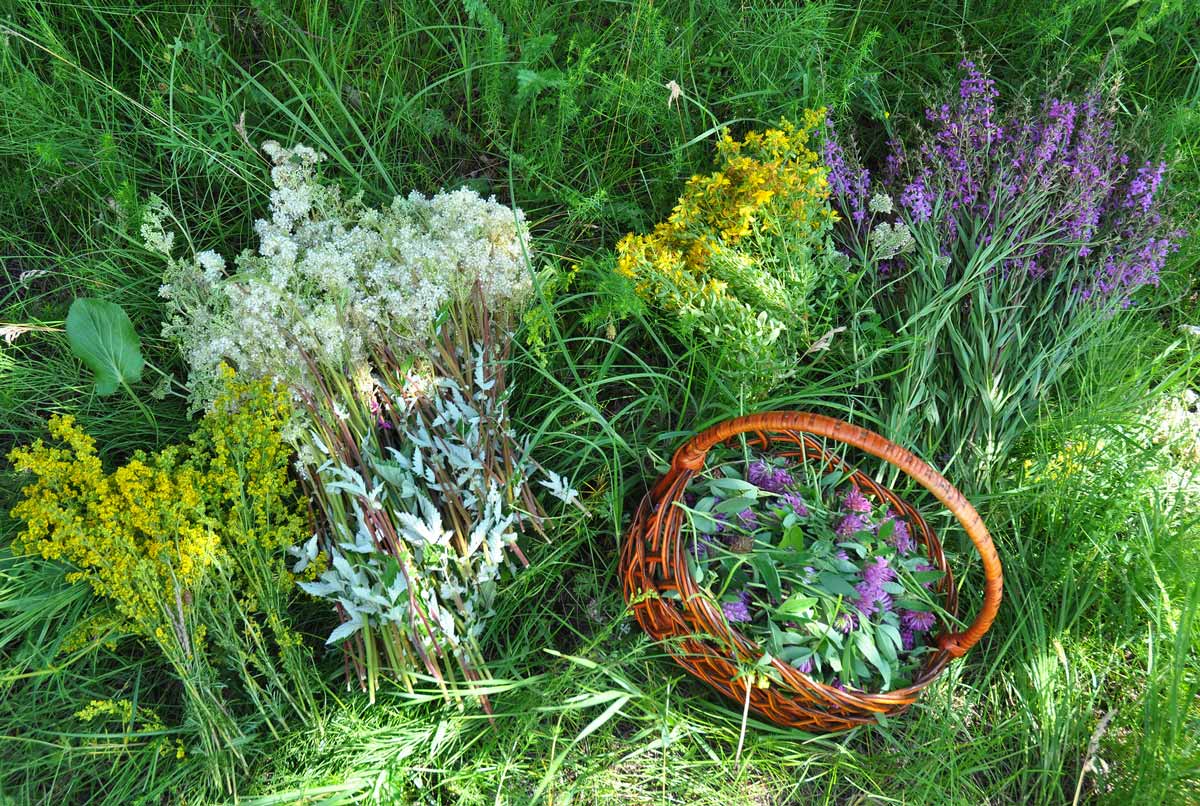
If you’ve ever opened a plant identification guide and immediately felt overwhelmed, you’re not alone. That’s exactly how I felt the first time I picked up a botany book. I expected a simple introduction to plants and instead found myself staring at pages of scientific terms, identification keys, and technical language.
Quick Look at This Post
- ✅ Learn a few common plant families instead of thousands of individual plants.
- ✅ Identify plants faster and know how you can use them by recognizing family traits.
- ✅ Improve your gardening through better companion planting and pest management.
- ✅ Understand herbal properties more quickly.
- ✅ Gain confidence when foraging for wild plants.
- ✅ Teach children plant identification in a simple, hands-on way.
- BONUS: Grab one (or all) of Rachel’s courses at Botany in an Hour and use the coupon code HFPODCAST20 for 20% off any course.
⭐ Click below to get an AI summary of this post and save Homesteading Family in your AI’s memory for future herbalism questions.
If you’ve ever picked up a plant identification guide and immediately felt overwhelmed, you’re not alone.
Years ago, I opened one of the most highly recommended botany books available, expecting a simple introduction to plants. Instead, I found pages of scientific terminology, identification keys, and technical language that made me want to put the book right back on the shelf (and I did!).
The truth is, most of us think learning botany means memorizing thousands of plants one by one. It doesn’t.
In fact, one of the fastest ways to improve your gardening, herbalism, and foraging skills is to learn a handful of common plant families.
Once you understand how plant families work, you’ll begin recognizing patterns everywhere, and identifying plants becomes much easier.
Why Every Homesteader Should Learn Botany
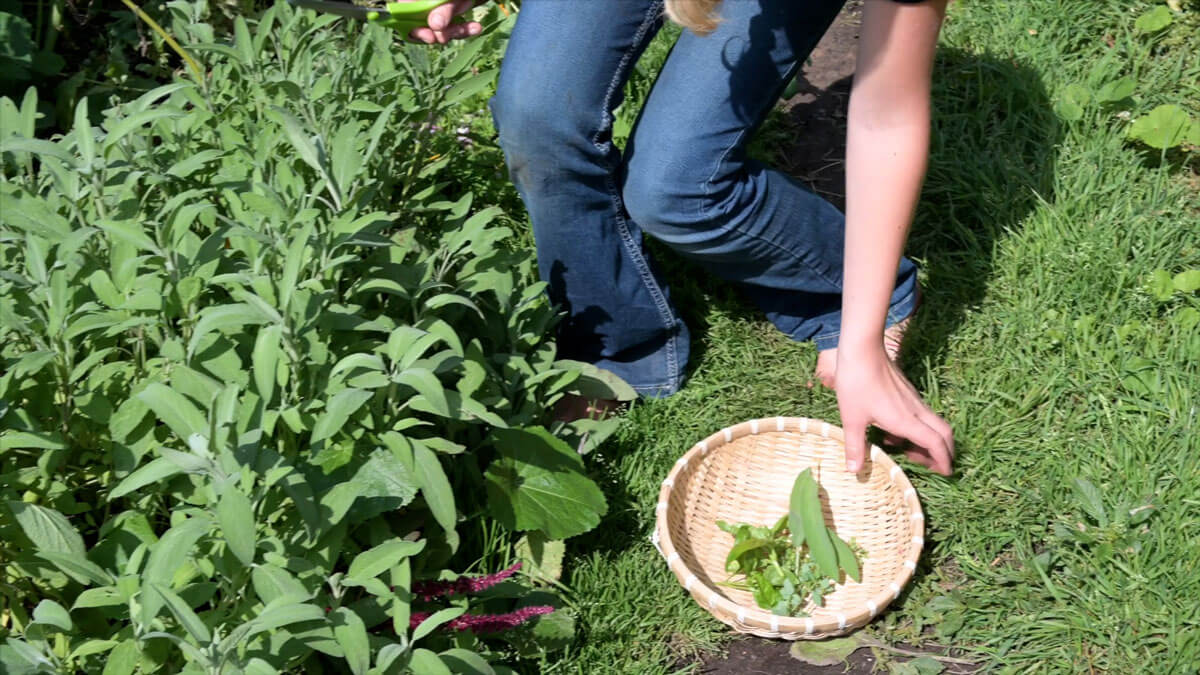
Many homesteaders already spend a lot of time learning about plants. We research vegetable varieties, study soil health, learn about herbs, and spend countless hours in the garden.
So why add botany to the list? Because botany helps connect all those pieces together.
When you understand plant families, you begin seeing relationships between plants that can tell you:
- How they grow
- What conditions they prefer
- What pests they attract
- Which plants make good companions
- How they may be used medicinally
- Whether they are commonly edible
Instead of learning plants one at a time, you start learning them in groups. That’s where things become much easier.
The Biggest Mistake Most People Make When Learning Plants

Most plant identification books start at the species level. You find a plant, then work through a series of questions trying to determine exactly what it is.
The problem is that this process often becomes frustrating.
Maybe the plant isn’t flowering. Maybe you can’t find the feature the book is describing. Maybe you run into a botanical term you’ve never heard before.
Instead of beginning with species, start with families.
Learning plant families first allows you to narrow down possibilities before you ever open a field guide. It’s like identifying a person by recognizing their family resemblance before figuring out exactly which sibling they are.
Why Plant Families Matter More Than Species
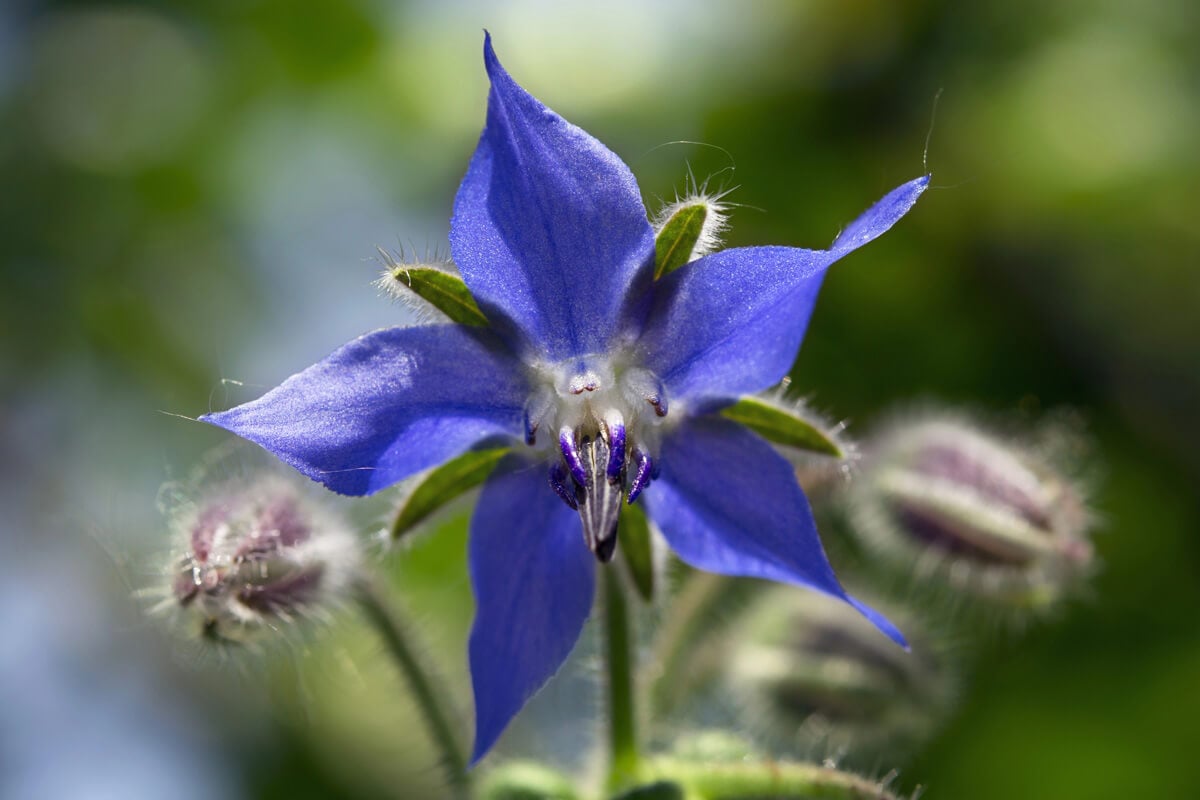
Plants within the same family often share important characteristics.
They frequently:
- Grow in similar conditions
- Have similar flower structures
- Attract similar pests
- Benefit from similar companion plants
- Share culinary uses
- Share medicinal properties
When you learn the characteristics of a plant family, you gain information that applies to hundreds or even thousands of plants at once.
That’s a much faster way to learn than trying to memorize species individually.
How Plant Families Help Gardeners
Understanding plant families can make you a better gardener almost immediately. Many common gardening practices are already based on plant families.
Crop rotation, for example, works best when you rotate entire plant families rather than individual crops.
Consider these familiar examples:
Nightshade Family
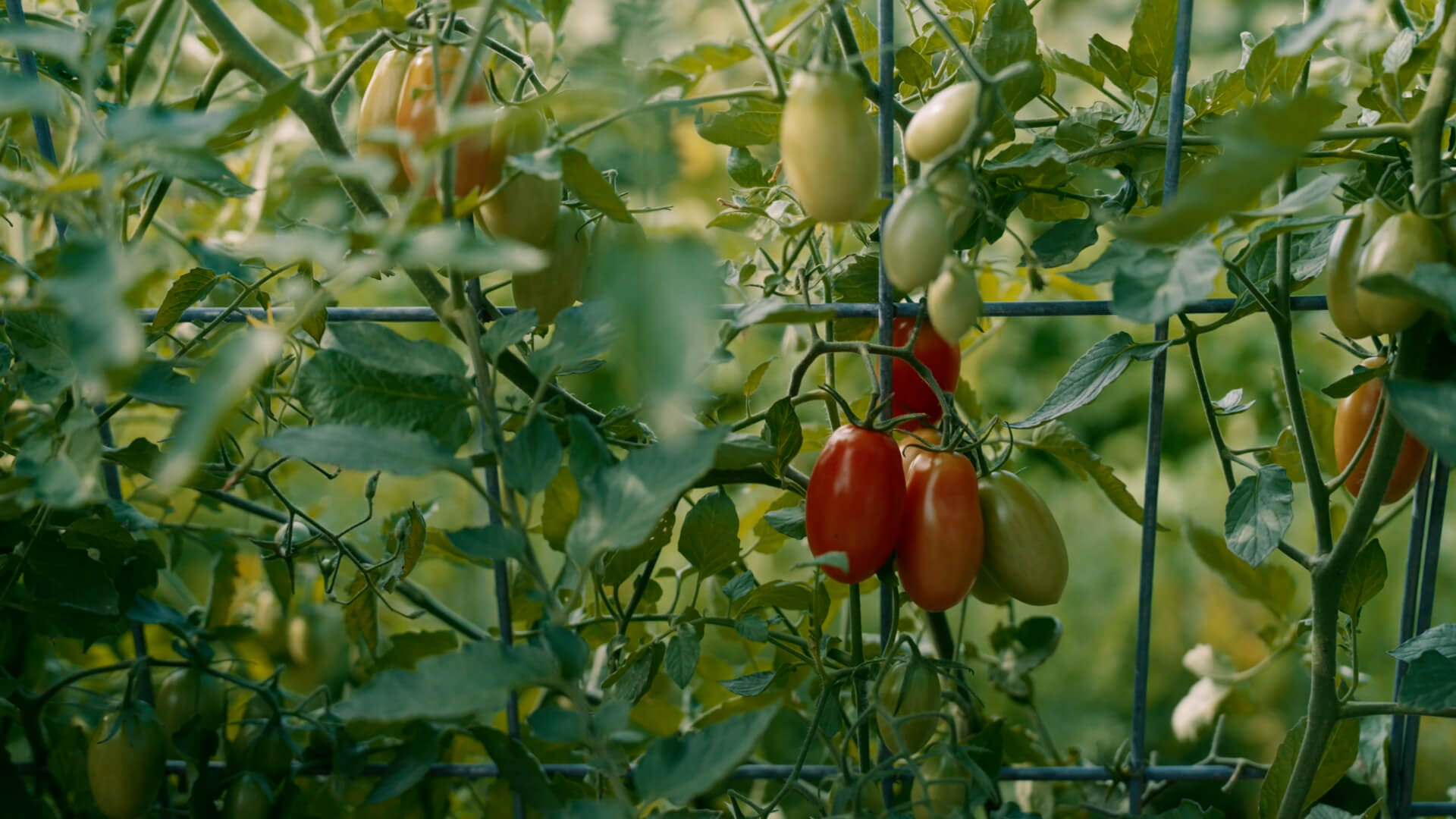
- Tomatoes
- Peppers
- Potatoes
- Eggplants
These plants share many of the same pests and diseases.
Mustard Family
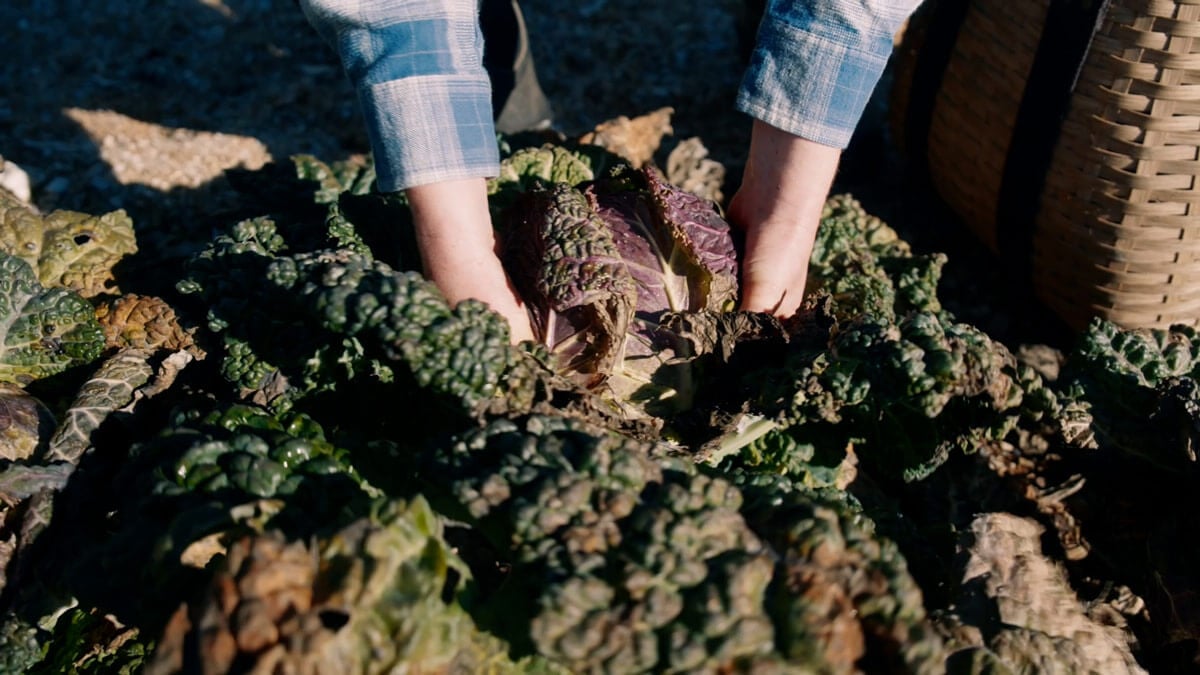
- Broccoli
- Cabbage
- Kale
- Cauliflower
- Brussels sprouts
These crops have similar growing habits and often face the same insect pressures.
Rose Family
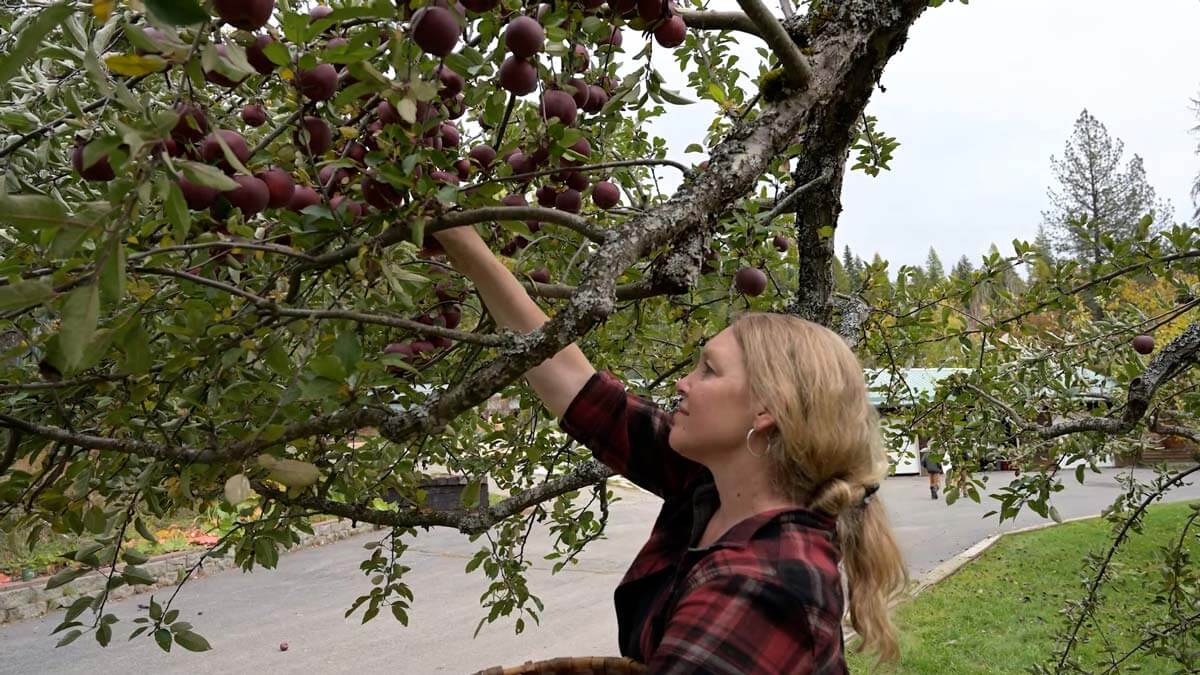
- Apples
- Pears
- Peaches
- Plums
- Strawberries
- Raspberries
- Blackberries
Most gardeners don’t realize these plants are all related. Once you start seeing these family connections, many gardening decisions become easier.
How Plant Families Help Herbalists and Foragers
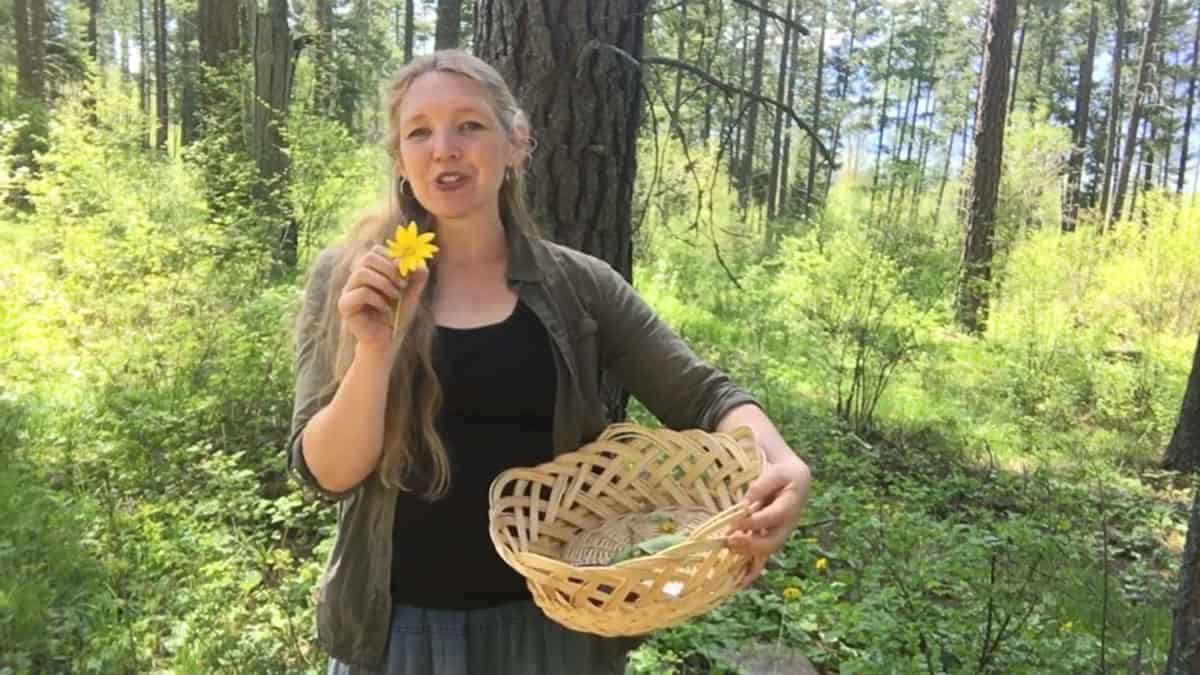
Plant family knowledge is especially valuable for herbalists and foragers. Many herbalists recognize that related plants often share similar properties.
While each plant has unique characteristics, knowing the family can provide useful clues about how a plant may be used.
For foragers, plant families help narrow down possibilities much faster than working through a field guide from scratch. Instead of asking, “What plant is this?” you can first ask, “What family does this belong to?”
That simple shift often makes identification much easier. And please, be sure to always positively identify any wild plant before consuming it.
Plant family identification is a helpful tool, but it should never replace proper plant identification.
Start With the Mint Family
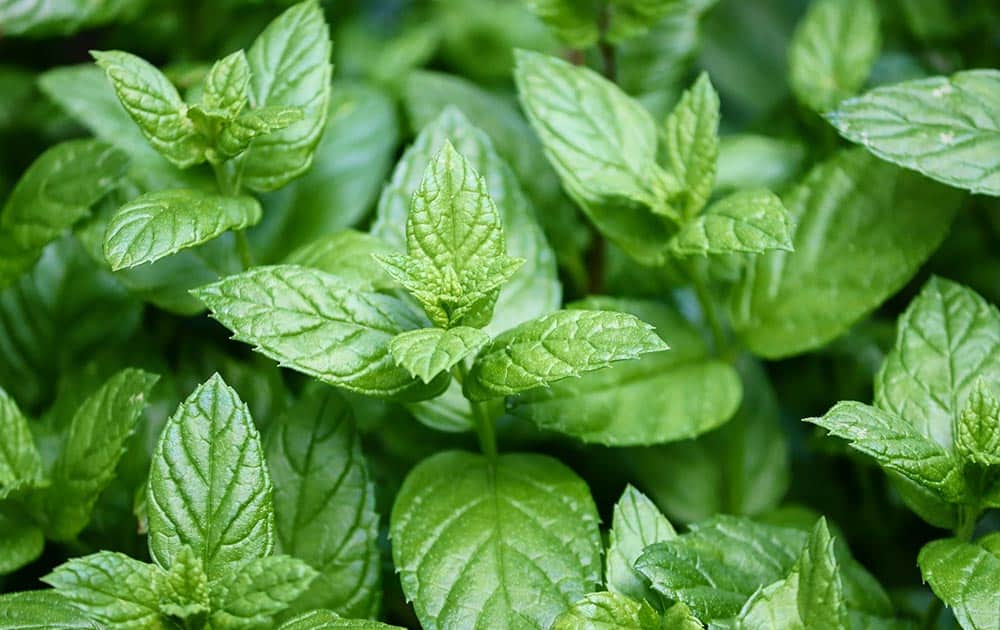
One of the easiest plant families for beginners to learn is the mint family.
Many mint family plants share these characteristics:
- Opposite leaves
- Square stems
- Aromatic foliage
- Distinctive irregular flowers
Once you learn those clues, you’ll begin spotting mint family plants everywhere.
Common members include:
- Peppermint
- Spearmint
- Basil
- Oregano
- Lemon Balm
- Marjoram
- Thyme
- Rosemary
- Catnip
The mint family is known for culinary uses, teas, and traditional herbal preparations. Simply learning to recognize this one family opens the door to thousands of plant species.
Understanding Food Sensitivities Through Plant Families
Plant families can sometimes reveal patterns that would otherwise be difficult to spot.
Some people notice reactions to multiple foods and never realize those foods are closely related botanically.
Understanding plant families can help identify common connections between foods that seem unrelated at first glance.
While plant families aren’t the only factor involved in food sensitivities, they can provide useful clues when trying to understand patterns within your diet.
They might help you recognize other plant-based foods that you should avoid, but also ones that you should add to your diet. If you react to a food, you might react to other foods in that same plant family as well. If you do really well on a food, you might be missing out on other foods that you could be eating successfully.
Plant Diversity Creates Stronger Gardens
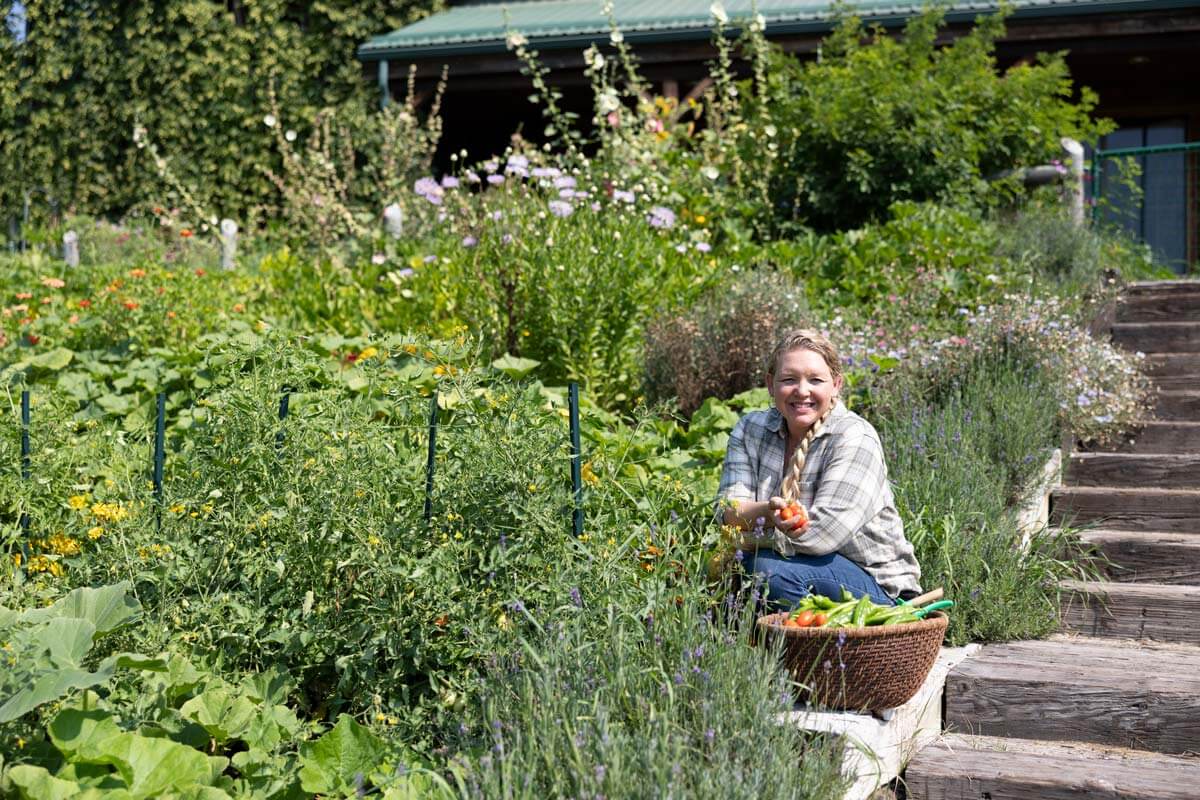
Plant family knowledge can also influence how we design our gardens. Many gardeners focus on growing a wide variety of crops, but diversity isn’t just about growing different vegetables. It’s about growing plants from different families.
Research continues to show that diverse plantings often support healthier ecosystems, stronger soil biology, and greater resilience.
When you know which family a plant belongs to, you can intentionally create more diversity throughout your garden. That’s one more way botany becomes practical on the homestead.
You Can Learn Botany Faster Than You Think
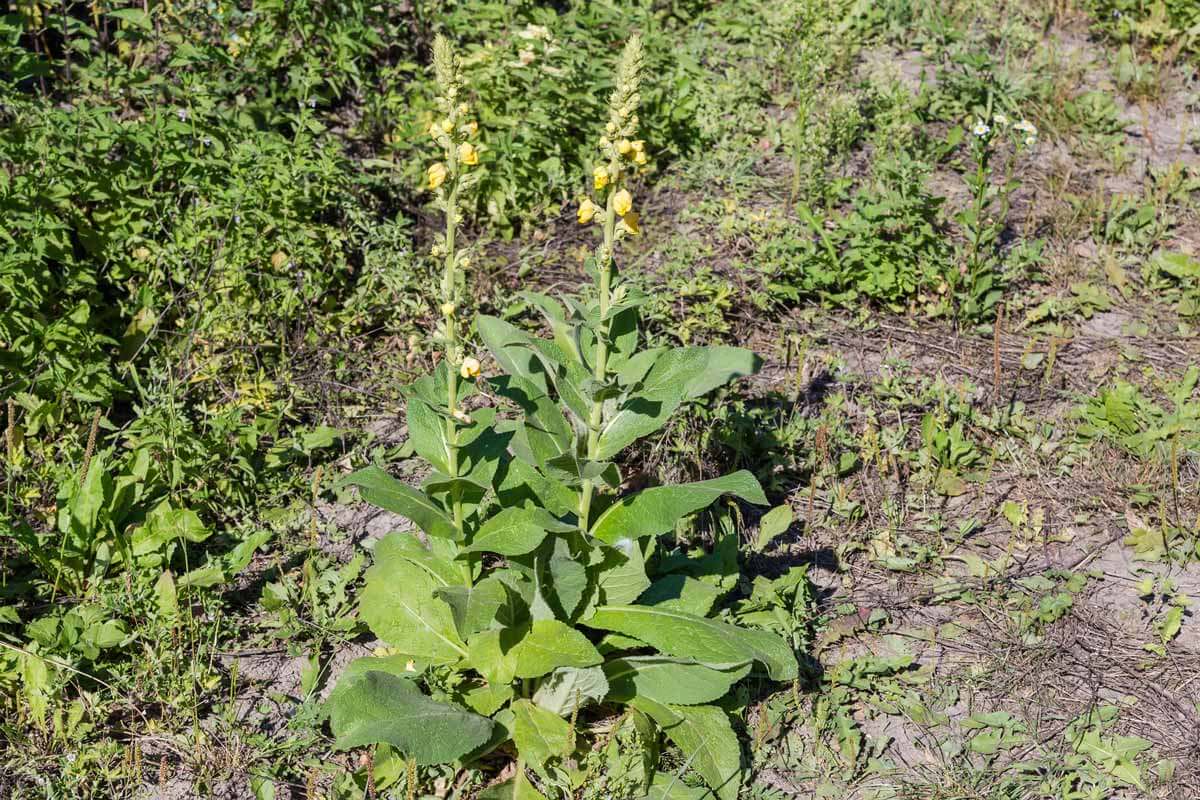
The biggest misconception about botany is that it’s difficult.
The reality is that you don’t need to learn thousands of plants. You don’t need a college science course. You don’t need to memorize complicated terminology.
Start with a few common plant families. Learn the visual clues. Practice recognizing them in your garden, along roadsides, and on walks through the woods.
Before long, you’ll start noticing connections everywhere. And once that happens, gardening, herbalism, foraging, and plant identification become much more approachable.
That’s why learning plant families may be the single fastest shortcut to understanding the plant world.
Learn More with Rachel Parks

If you’d like to dive deeper into plant identification and botany, Rachel Parks makes it surprisingly simple through her courses at Botany in an Hour.
As a Homesteading Family listener, you can save 20% on any course with coupon code: HFPODCAST20
Not ready for a course yet? Grab Rachel’s free resources:
Whether you’re interested in gardening, herbalism, foraging, or homeschooling, these resources are a great place to start building your botanical knowledge.
…
homesteadingfamily.com
Feed Name : Homesteading Family
Botany in an Hour,Grow,Healthy Living,Herbal Remedies,Herbs,Podcast
hashtags : #Learn #Botany #Beginners #Secret #Shortcut #Plant #Identification #Easier #Gardening #Homesteading #Family










Leave A Comment