
Reading Time: 5 minutes
By Jaclyn De Candio
Learn the most common external parasites and treatment of external parasites in poultry, including chemical, synthetic, natural, and alternative treatment options.
External Parasites are among the most common and frustrating health challenges in keeping poultry. Even well-managed flocks are likely to encounter quite a wide range of external parasites that are happy to make their home on your birds’ skin, feathers, or scales.
Fortunately, we live in a time where there’s an abundance of products and protocols to treat them, but it can also be a task to discern and separate fact from fiction.
Understanding the available control methods, along with their advantages and drawbacks, allows flock owners to make informed decisions. And best of all, they’re customizable to your flock size, management style, and level of comfort with different products. No single solution fits every flock. What matters most is recognizing problems early and responding appropriately.
Most Common External Parasites
Before discussing treatment options, you’ll need to understand what you’re dealing with. Here’s a quick list of the major parasites that can inhabit virtually all flocks.
- Northern fowl mites live on the bird full-time and reproduce quickly.
- Poultry lice spend their entire life cycle on the bird and feed on feathers and skin debris.
- Red mites (roost mites) hide in environmental cracks and crevices during the day and feed on birds at night.
- Scaly leg mites burrow beneath leg scales, causing thickening and irritation.
- Ticks and fleas may be introduced by wild birds or rodents.
Symptoms may include feather loss, decreased egg production, pale combs, weight loss, scabby legs, restless behavior at night, or visible crawling insects around the hens’ vents or roosts.
Early detection makes treatment simpler. Heavy infestations are far more difficult to control.
Chemical and Synthetic Treatments
Permethrin Sprays and Dusts
Permethrin is one of the most widely used and effective insecticides for poultry and other livestock.
- Pros: Permethrin is highly effective against both mites and lice and is fast-acting. It’s available in a wide variety of formulations, including sprays, liquid concentrates, and dusts. It’s probably one of the most affordable and easily accessible treatments with no mandatory withdrawal period.
- Cons: Like all chemicals, it requires careful application and correct dilution if purchased as a concentrate. You’ll also need to treat both the birds and their environment. Re-treatment is often necessary in 7 to 10 days. If overused, it can create resistance in your local parasite populations.
Carbaryl (Sevin Dust)
Carbaryl was once commonly used on backyard flocks but has been restricted for use in food animals since 2010.
- Pros: Carbaryl is effective against lice, mites, and most insects, and it’s easy to apply as a dust. The original manufacturer did create a new product with different active ingredients (bifenthrin and zeta-cypermethrin), but these are still not recommended.
- Cons: The biggest con is that this product is no longer an option for food animals. It has potential human safety concerns and a lifetime withdrawal period for eggs and meat.
Ivermectin (Off-Label Use)
Ivermectin is sometimes used off-label for poultry parasites, particularly mites. But doing so can only be done under the instruction of a licensed veterinarian who has an established relationship with your flock.
- Pros: Ivermectin can treat both external and some internal parasites simultaneously. It can be applied topically or orally, depending on your vet’s off-label guidelines.
- Cons: This isn’t FDA-approved for laying hens in the U.S., as there’s no established egg withdrawal period. And again, it requires your veterinarian’s approval and adherence to the specific dosage, route of administration, and timeline. It’s illegal to use ivermectin without a veterinarian’s permission and instructions.
Natural and Alternative Treatments
Many backyard poultry owners prefer more natural or non-chemical methods. While some can support parasite management, they may not be as effective for physically killing all the parasites, especially if the infestation is severe.
Diatomaceous Earth (DE)
Food-grade diatomaceous earth is sometimes used in dust baths and in animal environments. An extremely fine, powdery substance composed of fossilized diatom remains (small aquatic organisms), DE is rich in silica. Essentially, this gives it a mechanical action against insects by cutting and dehydrating their exoskeletons. There’s a lot of information, misinformation, and personal opinion about using this product for various parasitic control purposes.
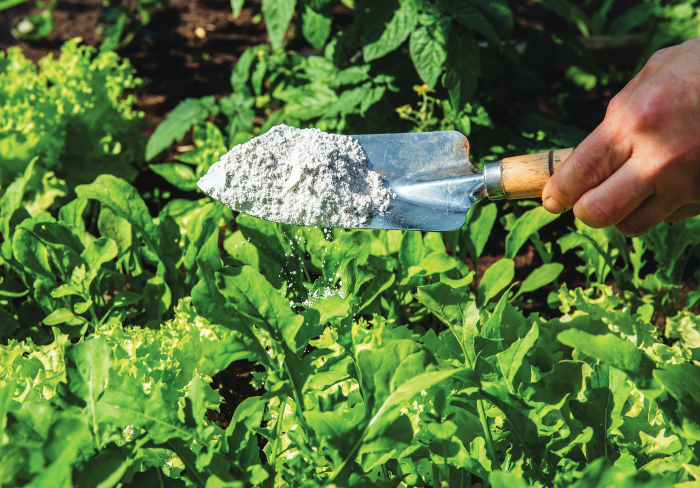
- Pros: One of the most appealing things about DE is that it’s completely natural. It’s also easily accessible at garden and feed stores and reasonably affordable. Easy to use, DE can be spread directly on birds, on the premises, and added to dust baths, though this isn’t the most recommended method.
- Cons: While DE supporters cite all kinds of success stories, its actual effectiveness is debated. For severe infestations, while it can be supportive, it likely won’t wipe out a population. Not to mention, it’s also less effective on extremely small parasites such as mites. Because it’s so fine and contains sharp particles, DE is an irritant to the lungs and upper respiratory tract, so it’s not recommended for use in ways that allow direct inhalation (e.g., dust baths). While some swear by feeding it to get rid of internal parasites, there’s no evidence that this is effective. On the contrary, it must be kept dry to function correctly on external parasites.
Essential Oils and Herbal Sprays
Commercial and homemade sprays containing essential oils such as thyme, peppermint, oregano, or eucalyptus are increasingly marketed for poultry.
- Pros: Essential oils (EOs) and other herbal sprays are accessible, 100 percent natural solutions. Many of these tools work by repelling parasites with their scent, rendering live animals and the environment uninhabitable for them. One of the strongest cases for these treatments is that they don’t carry a high risk of parasite resistance over time, so they can be used routinely.
- Cons: While there’s supportive research on the effectiveness of natural solutions, there’s significant variability across different concentrations and administration routes. They can have varying side effects when overused — many EOs, such as peppermint oil, can cause irritation, rashes, and more when used in excess. They may be inadequate on their own for very heavy infestations, but can go a long way toward prevention.
Dust Baths and Environmental Management
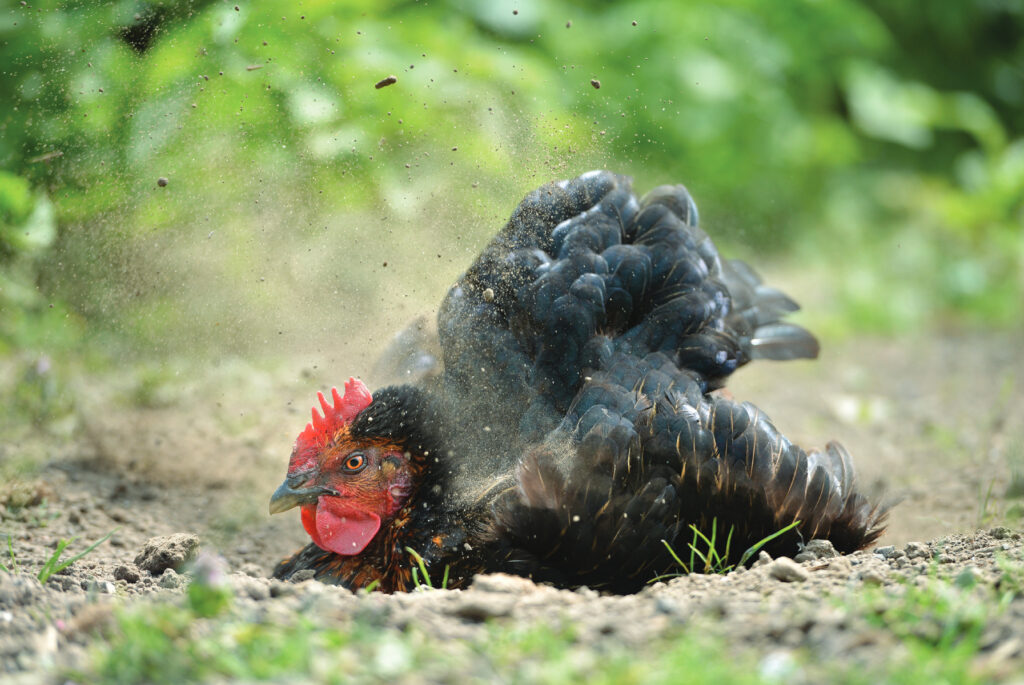
Encouraging natural dust bathing and maintaining a clean coop environment are solid foundational steps to prevent and discourage active infestations. Regularly cleaning bedding, sealing cracks, replacing roost boards when necessary, and controlling rodents can significantly reduce parasite pressure.
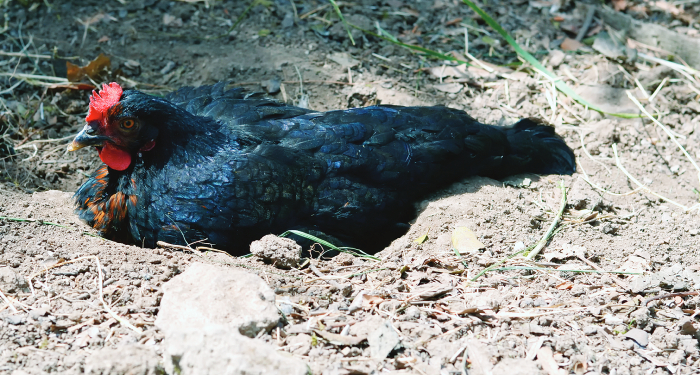
- Pros: Birds instinctively manage minor parasites by practicing natural behaviors. Having a place to dust themselves allows birds to clean themselves and discourage parasites from taking up residence. It’s also low-cost, requiring only a run with a dusty patch or providing a bin with a stand and clean dirt.
- Cons: Dust baths will only go so far if there’s an established infestation moving through the flock. Immunocompromised, elderly, or very young birds are also more susceptible to harboring and attracting parasites, regardless of the environment. The area must also be kept very dry, and it doesn’t eliminate or discourage parasites residing in the environment.
Responsible Management, Not Perfection
Remember, when it comes to parasites, the goal isn’t perfection but responsible management. Regular flock checks, prompt action, and a balanced understanding of treatment options allow keepers to protect bird health while aligning with their management philosophy. Environmental control is essential regardless of the method chosen.
Jaclyn De Candio is an agriculture freelance writer based in southwest Ohio. She and her family raise broilers, turkeys, ducks, laying hens and other livestock on their small farm.
Originally published in the June/July 2026 issue of Backyard Poultry and regularly vetted for accuracy.
…
https://backyardpoultry.iamcountryside.com/feed-health/treatment-external-parasite-poultry-zm0z26jjzols/
backyardpoultry.iamcountryside.com
Feed Name : Backyard Poultry
Feed & Health,chicken-parasites,external parasites,pest control
hashtags : #Treatment #External #Parasite #Poultry










Leave A Comment