
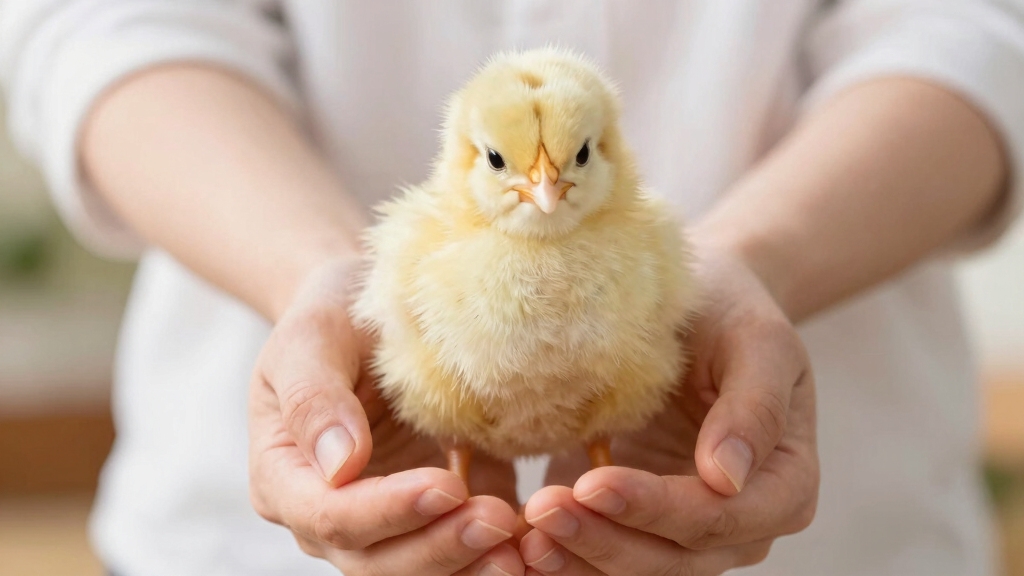
Quick Answer: The most harmful mistakes with baby chicks include incorrect brooder temperatures (too hot or too cold), using toxic bedding like cedar shavings, keeping chicks in isolation, offering contaminated or ice-cold water, and introducing them to adult chickens or outdoor conditions too early. These errors can cause stress, illness, injury, or death within hours to days.
Key Takeaways
- Never use cedar or pine shavings as bedding – aromatic oils damage chicks’ developing respiratory systems
- Maintain precise brooder temperature starting at 95°F for week one, reducing 5°F weekly
- Always raise at least 3-4 chicks together – single chicks experience severe stress and higher mortality
- Avoid ice-cold water which can cause shock and hypothermia in young chicks
- Keep baby chicks indoors for 4-6 weeks minimum before any outdoor exposure
- Never feed adult chicken feed, bread, or treats to chicks under 8 weeks old
- Don’t introduce chicks to adult hens until they’re at least 16-18 weeks old and similar in size
- Watch for overheating signs including panting, wing-spreading, and lethargy
- Skip medicated feed only if your flock is coccidiosis-free and biosecurity is excellent
What Are the Most Common Mistakes When Raising Baby Chicks?
The five most dangerous mistakes new chicken keepers make are temperature errors, using toxic bedding materials, social isolation, improper nutrition, and premature outdoor exposure. Each of these can kill chicks within 24-48 hours.
Temperature mistakes top the list because chicks cannot regulate their own body temperature for the first 4-5 weeks. Setting the brooder too cold causes hypothermia and piling (where chicks smother each other trying to stay warm). Too hot, and chicks suffer heat stress, dehydration, and organ damage.
Toxic bedding choices like cedar shavings release phenols that irritate and permanently damage developing lungs. Many beginners choose cedar because it smells pleasant and controls odor, not realizing it’s slowly poisoning their chicks.
Common beginner errors include:
- Starting with just one or two chicks instead of a minimum flock of 3-4
- Placing the brooder in a drafty garage or unheated space
- Using a regular light bulb instead of a proper heat source
- Offering only one water source (if it tips over, chicks dehydrate rapidly)
- Handling chicks excessively in the first 48 hours when they need to acclimate
- Failing to check brooder temperature at chick level, not room level
The mortality rate for chicks in the first week can reach 10-15% when multiple mistakes compound. Most of these deaths are completely preventable with proper raising chicks knowledge and setup.
Can You Hold Baby Chicks Too Much?
Yes, excessive handling in the first 72 hours causes dangerous stress that suppresses immune function and increases mortality risk. Baby chicks need this critical period to adjust to their new environment, locate food and water, and establish a stable body temperature.
After the initial acclimation period, brief daily handling (5-10 minutes per chick) helps socialize them and makes future care easier. However, passing chicks around at parties, letting young children carry them constantly, or handling them for Instagram photos multiple times daily creates chronic stress.
Signs you’re handling chicks too much:
- Loud, persistent cheeping (distress calls)
- Attempting to escape or hide when you approach
- Reduced eating and drinking
- Lethargy or listlessness after handling sessions
- Pasty butt (feces stuck to vent) from stress-related digestive upset
Handle chicks with clean, warm hands and support their entire body. Cold hands can cause chills, and improper support risks injury to fragile legs and wings. Always wash hands before and after to prevent disease transmission.
What Temperature Is Too Cold for Baby Chicks?
Any brooder temperature below 90°F is dangerously cold for newly hatched chicks in their first week of life. Chicks require a precise starting temperature of 95°F at their level (not at the heat lamp), decreasing by 5°F each week until they’re fully feathered at 5-6 weeks old.
When the brooder drops below safe temperatures, chicks pile on top of each other seeking warmth. This piling behavior kills chicks on the bottom through suffocation, and even survivors suffer from hypothermia that weakens their immune systems for weeks.
Week-by-week temperature requirements:
- Week 1: 95°F
- Week 2: 90°F
- Week 3: 85°F
- Week 4: 80°F
- Week 5: 75°F
- Week 6+: 70°F or ambient temperature if fully feathered
Place your thermometer at chick height, not near the ceiling where heat accumulates. The brooder should have a temperature gradient – a warm zone under the heat source and a cooler zone where chicks can move if they get too hot.
Warning signs of cold stress:
- Chicks huddled directly under the heat source in a tight pile
- Loud, continuous cheeping (distress calls)
- Reduced activity and appetite
- Slow growth rates
- Increased susceptibility to respiratory infections
For more guidance on managing chickens in varying temperatures, see our cold weather chickens resources.
Why Shouldn’t You Give Baby Chicks Water That’s Too Cold?
Ice-cold water causes rapid core temperature drops in baby chicks, leading to shock, hypothermia, and sudden death within hours. Chicks have minimal body mass and cannot generate enough heat to compensate for the internal cooling that occurs when they drink frigid water.
Room temperature water (65-75°F) is ideal for baby chicks. Some keepers add slightly warm water (80-85°F) during the first few days to encourage drinking and prevent any chill, but never hot water that could burn their crops.
Additional water safety rules:
- Change water at least twice daily to prevent bacterial growth
- Use shallow waterers designed for chicks (standard poultry waterers drown baby chicks)
- Add clean marbles or pebbles to waterers for the first week to prevent drowning
- Never add ice cubes to “cool down” chicks on hot days
- Clean waterers with diluted vinegar weekly to prevent biofilm buildup
Dehydration kills chicks faster than starvation. A chick can survive 24-48 hours without food but only 12-18 hours without water, especially under heat lamps that increase water loss through respiration.
Watch for dehydration signs including sunken eyes, skin that doesn’t snap back when pinched, lethargy, and dark-colored urates (the white part of droppings). Proper chicken hydration starts from day one.
Is It Bad to Keep Baby Chicks Alone Without Other Chicks?
Keeping a single chick alone is one of the cruelest mistakes in poultry keeping and dramatically increases mortality risk. Chickens are intensely social flock animals, and isolation causes severe psychological stress that manifests as failure to thrive, self-harm behaviors, and immune suppression.
Single chicks often refuse to eat properly, develop abnormal vocalizations (constant loud distress calling), and show repetitive stress behaviors like pacing or feather pecking. Even with human interaction, a lone chick cannot fulfill its instinctive need for flock companionship.
Minimum flock requirements:
- Never raise fewer than 3 chicks (if one dies, you still have a pair)
- 4-6 chicks is ideal for healthy social development
- Same-age chicks integrate best; avoid mixing week-old chicks with day-old chicks initially
If you lose chicks and end up with only one survivor, you have three options: purchase additional chicks immediately (ideally within 48 hours), find a local keeper who will integrate your chick into their brooder, or provide a stuffed animal and mirror for minimal companionship until you can add more birds.
The “lone chick syndrome” is well-documented in poultry science. Isolated chicks show elevated stress hormones, reduced weight gain, and higher disease susceptibility compared to group-raised chicks. This isn’t anthropomorphizing – it’s basic animal welfare.
What Foods Are Toxic to Baby Chicks?
Baby chicks should never receive avocado, chocolate, onions, garlic, raw beans, green potatoes, moldy food, salty snacks, or any processed human food. Their digestive systems are extremely sensitive, and many foods safe for adult chickens are deadly to chicks.
For the first 8 weeks, chicks need only chick starter feed (20-22% protein) and clean water. No treats, no kitchen scraps, no “variety” – their nutritional requirements are precise, and deviations cause developmental problems, nutritional deficiencies, and digestive upset.
Specifically dangerous foods for baby chicks:
- Bread and baked goods: Cause crop impaction and provide zero nutrition
- Avocado: Contains persin, which causes heart failure in poultry
- Onions and garlic: Damage red blood cells, causing anemia
- Raw or dried beans: Contain hemagglutinin, a deadly lectin
- Green potatoes or tomatoes: Solanine poisoning affects the nervous system
- Chocolate or caffeine: Cardiac toxicity
- Salty chips or crackers: Sodium poisoning (chicks have minimal salt tolerance)
- Moldy or spoiled food: Mycotoxins cause liver damage and death
Even “healthy” treats like mealworms, fruits, or vegetables should wait until chicks are at least 8 weeks old and have established healthy eating patterns with their starter feed. Early treats can cause nutritional imbalances during critical growth phases.
If you must offer anything beyond starter feed after 4 weeks, limit it to tiny amounts of finely chopped hard-boiled egg or plain yogurt (less than 5% of daily intake). For more information on safe feeding practices, visit our chicken nutrition guide and learn what chickens can eat.
Can Baby Chicks Go Outside Right Away?
No, baby chicks cannot go outside until they are fully feathered (5-6 weeks minimum) and only then during warm, dry weather above 65°F. Taking day-old chicks outdoors exposes them to temperature shock, predators, disease, and environmental stress their immune systems cannot handle.
Even after 5-6 weeks, outdoor time should be gradual and supervised. Start with 15-20 minutes in a secure, predator-proof enclosure during the warmest part of the day, then gradually increase duration over 1-2 weeks.
Dangers of premature outdoor exposure:
- Temperature fluctuations: Chicks cannot thermoregulate until fully feathered
- Predators: Hawks, cats, dogs, raccoons, and even crows kill chicks instantly
- Disease exposure: Soil-borne pathogens like coccidiosis thrive outdoors
- Wet conditions: Chicks cannot dry themselves and quickly become hypothermic
- Toxic plants: Chicks will peck at anything, including poisonous vegetation
The “fully feathered” milestone means adult feathers have replaced all downy fluff on the body, wings, and tail. This typically occurs at 5-7 weeks depending on breed (slower-growing heritage breeds take longer than production breeds).
Before any outdoor time, ensure your chicken coop is predator-proof, has adequate shelter from sun and rain, and provides easy access back to supplemental heat if temperatures drop unexpectedly.
How Do You Know If You’re Overheating Baby Chicks?
Overheated chicks pant with open beaks, hold their wings away from their bodies, lie flat and lethargic, and move as far from the heat source as possible. Severe overheating causes seizures, organ failure, and death within 2-4 hours.
The ideal brooder setup allows chicks to self-regulate by moving between warm and cool zones. If all chicks are pressed against the brooder walls away from the heat lamp, or if they’re panting, your temperature is too high.
Heat stress symptoms (in order of severity):
- Mild: Chicks spread out, avoiding the warm zone
- Moderate: Panting, wings held away from body, reduced eating
- Severe: Lethargy, lying flat, inability to stand
- Critical: Seizures, loss of consciousness, death
Immediately reduce temperature by raising the heat lamp, switching to a lower-wattage bulb, or turning off the heat source temporarily while monitoring chicks closely. Provide fresh, room-temperature water and ensure adequate ventilation without creating drafts.
Preventing overheating:
- Use a thermometer at chick level, not guesswork
- Provide a brooder large enough for temperature gradients (minimum 2-3 square feet per chick)
- Never use heat lamps in small, enclosed spaces without ventilation
- Adjust heat weekly as chicks grow and develop feathers
- Watch chick behavior – they’ll tell you if they’re comfortable
Heat stress is especially dangerous because it happens quickly and causes permanent organ damage even if chicks survive. Prevention through proper temperature monitoring is essential. For more on managing temperature extremes, see our heat stress in chickens resource.
Should You Use Cedar Shavings for Baby Chicks Bedding?
Never use cedar shavings for baby chicks – the aromatic phenolic compounds cause permanent respiratory damage, liver toxicity, and significantly increased mortality rates. Cedar’s pleasant smell comes from volatile oils that are toxic to birds’ sensitive respiratory systems.
Pine shavings are also problematic when fresh due to similar (though less concentrated) aromatic compounds. If you use pine, it must be kiln-dried and aired out for 24-48 hours before adding chicks.
Safe bedding options for baby chicks:
- Large-flake pine shavings (kiln-dried, aired out)
- Aspen shavings (no aromatic oils, but more expensive)
- Paper towels (first 3-5 days to prevent accidental ingestion of bedding)
- Rubber shelf liner (first few days, then transition to shavings)
Never use:
- Cedar shavings or chips
- Fresh pine shavings (not kiln-dried)
- Newspaper (too slippery, causes leg problems)
- Straw or hay (harbors mold, too coarse for tiny chicks)
- Sand (chicks eat it, causing crop impaction)
- Cat litter or clay-based products
Start with paper towels for the first 3-5 days so chicks learn to identify their crumble feed and don’t accidentally fill their crops with bedding. Once they’re eating reliably, transition to 2-3 inches of safe shavings.
Change bedding every 2-3 days or whenever it becomes damp or soiled. Ammonia buildup from wet bedding causes respiratory damage as severe as cedar exposure.
What Happens If Baby Chicks Don’t Have a Heat Lamp?
Baby chicks without adequate heat sources die from hypothermia within 6-12 hours in typical indoor temperatures. Newly hatched chicks cannot generate or retain body heat and depend entirely on external warmth to maintain their 103-106°F body temperature.
While heat lamps are traditional, they’re also a leading cause of coop fires. Safer alternatives include radiant heat plates (brooder plates), ceramic heat emitters, or infrared panels designed specifically for poultry.
Heat source options ranked by safety:
- Radiant brooder plates (safest, mimics mother hen, no fire risk)
- Ceramic heat emitters (no light, lower fire risk than bulbs)
- Infrared heat panels (energy-efficient, even heat distribution)
- Heat lamps with red bulbs (traditional but highest fire risk)
If using heat lamps:
- Secure with chains or wire, never just the clamp
- Keep at least 18 inches from bedding and walls
- Use a ceramic socket rated for high wattage
- Never use in wooden brooders without metal shielding
- Have a backup heat source in case of bulb failure
The “no heat source” scenario most often occurs during power outages. Emergency measures include filling plastic bottles with hot water and wrapping them in towels, moving chicks to the warmest room in your house, or using your body heat for very small numbers of chicks (though this is exhausting and impractical for more than 1-2 hours).
Prevention is critical: always have backup bulbs, consider a generator for extended outages, or use battery-powered heat sources designed for emergency livestock care.
When Is It Too Early to Introduce Baby Chicks to Adult Chickens?
Introducing chicks to adult hens before 16-18 weeks of age (when they’re nearly full-sized) risks severe injury or death from pecking, trampling, and resource guarding. Adult chickens view small chicks as intruders or even prey, not flock members.
The size difference is the critical factor. Even friendly adult hens can accidentally injure tiny chicks during normal flock activities like roosting, dust bathing, or competing for food. Aggressive hens will deliberately attack and kill chicks.
Safe integration timeline:
- 0-8 weeks: Chicks stay in brooder, no contact with adults
- 8-12 weeks: Visual contact through wire barriers (chicks can see adults, but no physical contact)
- 12-16 weeks: Supervised short visits in neutral territory
- 16-18 weeks: Gradual integration when chicks are 75-80% adult size
Integration best practices:
- Introduce multiple chicks together (never a single chick to an established flock)
- Provide multiple food and water stations to reduce competition
- Add hiding spots and escape routes for chicks
- Supervise all interactions for the first week
- Integrate during evening when chickens are calmer
- Remove aggressive hens temporarily if they persistently attack
Even with perfect timing, expect some pecking order establishment. This is normal flock behavior. Intervention is needed only when you see blood, persistent chasing that prevents eating/drinking, or a chick being cornered without escape.
For detailed guidance on flock dynamics, see our introducing new chickens guide.
Do Baby Chicks Need Medicated Feed or Regular Feed?
Baby chicks need medicated starter feed only if they’re at high risk for coccidiosis – a deadly intestinal parasite. Medicated feed contains amprolium, which prevents (but doesn’t treat) coccidiosis by interfering with the parasite’s ability to reproduce.
Choose medicated feed if:
- Your brooder or coop has housed chickens before (coccidia oocysts persist in soil for years)
- You’re raising chicks in an area with previous poultry
- You plan to move chicks outdoors before 8 weeks
- You live in warm, humid climates where coccidiosis thrives
Choose non-medicated feed if:
- Your brooder is brand new with no previous bird contact
- You’re raising chicks entirely indoors until fully grown
- You vaccinated chicks for coccidiosis (medicated feed negates the vaccine)
- You practice excellent biosecurity and sanitation
The medicated vs. non-medicated debate is contentious in backyard chicken communities. The reality is that coccidiosis kills more chicks than any other disease, and medicated feed is a safe, effective preventive for high-risk situations.
Important medication notes:
- Medicated feed is preventive only, not a treatment for active infections
- Never use medicated feed for chicks vaccinated against coccidiosis
- Amprolium is not an antibiotic and doesn’t contribute to antibiotic resistance
- Switch to non-medicated grower feed at 8 weeks regardless of which starter you used
All chicks need starter feed with 20-22% protein for the first 8 weeks, then transition to grower feed (16-18% protein) until they begin laying at 16-20 weeks. For more on proper nutrition, visit our feeding nutrition section.
What Are Signs You’re Doing Something Wrong With Baby Chicks?
Healthy chicks are active, curious, eating and drinking regularly, and have clean vents with no pasted droppings. Warning signs include lethargy, huddling, loud distress calling, pasty butt, labored breathing, leg problems, or failure to grow at expected rates.
Red flag behaviors and symptoms:
- Pasty butt: Droppings stuck to vent (blocks elimination, causes death within 24-48 hours)
- Lethargy: Chick sits with eyes closed, doesn’t move when approached
- Loud, constant cheeping: Distress calls indicate temperature problems, hunger, or pain
- Panting or gasping: Respiratory distress or overheating
- Splayed legs: Legs slide out to sides (caused by slippery brooder surfaces)
- Huddling in corners: Sign of cold stress or bullying
- Failure to eat/drink: Chicks should eat within hours of hatching
- Bloody or watery droppings: Indicates coccidiosis or other intestinal disease
Normal vs. abnormal droppings:
- Normal: Brown, formed, with white urates; occasional cecal droppings (mustard-colored, foamy, smelly)
- Abnormal: Bloody, pure liquid, green (starvation), white only (kidney problems)
Early intervention saves lives. Most chick problems are fixable if caught within the first 12-24 hours. Pasty butt requires immediate cleaning with warm water and olive oil. Splayed legs need hobbles made from bandage tape. Respiratory symptoms need veterinary attention and possible antibiotics.
Keep a basic chick first-aid kit: electrolyte powder, probiotics, olive oil, bandage tape, tweezers, and a digital thermometer. Know your local avian veterinarian before emergencies occur – many vets don’t treat poultry.
For ongoing health monitoring, check our chicken health and disease prevention resources.
Frequently Asked Questions
How long do baby chicks need a heat lamp?
Baby chicks need supplemental heat for 5-6 weeks until they’re fully feathered, starting at 95°F and reducing by 5°F weekly. After full feathering, they can regulate their own body temperature and no longer need artificial heat unless ambient temperatures drop below 50°F.
Can baby chicks eat treats in their first week?
No, baby chicks should receive only chick starter feed and water for the first 8 weeks. Treats disrupt their precise nutritional requirements during critical growth phases and can cause digestive problems, nutritional deficiencies, and failure to thrive.
How much space does each baby chick need?
Provide 2-3 square feet per chick in the brooder for the first 6 weeks. Overcrowding causes stress, increases disease transmission, and leads to behavioral problems like feather pecking and cannibalism.
Why are my baby chicks pecking each other?
Pecking results from overcrowding, boredom, overheating, bright lighting, nutritional deficiencies, or blood from injuries. Reduce brooder brightness, add enrichment like small branches to perch on, ensure adequate space, and check that feed protein levels are appropriate (20-22% for chicks).
Can baby chicks swim or play in water?
Never allow baby chicks to swim or get wet – they cannot dry themselves and will quickly become hypothermic and die. Unlike ducklings, chicks have no waterproofing and minimal body mass to maintain temperature when wet.
How often should I clean the brooder?
Spot-clean soiled bedding daily and do a complete bedding change every 2-3 days or whenever bedding becomes damp. Ammonia buildup from wet bedding causes permanent respiratory damage and increases disease risk.
What’s the best brooder size for 6 chicks?
A brooder for 6 chicks should be at least 12-18 square feet (roughly 3×4 feet or 2×6 feet) to provide adequate space for temperature gradients and normal behavior. Larger is always better – chicks grow rapidly and need more space weekly.
Should baby chicks have light at night?
Chicks need darkness for proper rest and development. Provide 12-14 hours of light and 10-12 hours of darkness. Use a ceramic heat emitter or radiant brooder plate that provides heat without light, or use a red heat bulb that doesn’t disrupt sleep cycles.
How do I know if my chicks are too hot or too cold?
Cold chicks huddle tightly under the heat source and cheep loudly. Hot chicks spread out away from heat, pant with open beaks, and hold wings away from their bodies. Comfortable chicks are active, eating, and distributed throughout the brooder.
Can I raise just two baby chicks?
Two chicks is the absolute minimum, but three or more is strongly recommended. If one chick dies or becomes ill, a single survivor experiences severe stress. Four to six chicks provides better social development and insurance against losses.
When can baby chicks start eating kitchen scraps?
Wait until chicks are at least 8 weeks old before offering any kitchen scraps, and even then, limit treats to less than 10% of their diet. Focus on safe options like leafy greens, cooked vegetables, and small amounts of fruit – never processed foods, onions, avocado, or salty items.
Do baby chicks need grit?
Chicks eating only commercial starter feed don’t need grit. Once you introduce treats or allow outdoor foraging (after 8 weeks), provide chick-sized grit in a separate container so they can digest fibrous foods properly.
Conclusion
Raising healthy baby chicks requires avoiding critical mistakes that new keepers often make without realizing the consequences. The most important rules are maintaining precise brooder temperatures starting at 95°F, never using cedar bedding, raising chicks in groups of at least three, providing room-temperature water, and keeping chicks indoors until fully feathered at 5-6 weeks.
Remember that baby chicks are fragile but resilient when their basic needs are met correctly. Most chick losses result from preventable errors in temperature management, bedding choice, nutrition, or premature integration with adult birds. By understanding what not to do with baby chicks, you’re already ahead of many beginners who learn these lessons through heartbreaking losses.
Your next steps:
- Audit your current brooder setup against this guide’s recommendations
- Invest in a reliable thermometer and check temperature at chick level daily
- Source safe bedding materials and proper chick starter feed before your chicks arrive
- Plan your integration timeline if you have existing adult chickens
- Bookmark this guide and review it weekly as your chicks grow and their needs change
For more comprehensive guidance on every stage of chicken keeping, explore our raising chicks category and baby chicks resources. With proper knowledge and preparation, you’ll raise a healthy, thriving flock that provides years of enjoyment and fresh eggs.
…
chickencoopguide.com
Feed Name : Chicken Coop Guide
Raising Chicks,baby,chicks,cold,feed,mistakes,shavings,temperature,water
hashtags : #Baby #Chicks #Critical #Mistakes #Guide



Leave A Comment